What Kettlebell Weight to Start With (by Body Type and Goal)
This article may contain affiliate links. If you make a purchase through these links, we may earn a small commission at no extra cost to you. This helps us keep creating free content.
Hinweis: Dieser Artikel ersetzt keine ärztliche Beratung. Besprich Trainingsfragen im Zweifel mit Arzt oder Physiotherapie.
A 16 kg (35 lb) kettlebell is the standard starting weight for an average man, and 8 kg (18 lb) for an average woman. Those two numbers come from the way the kettlebell swing works: it is a hip-driven, ballistic movement, not a slow grind, so a bell that feels almost too light when you hold it still becomes appropriate once it is moving. Most people who buy a kettlebell pick one far too light because they test it by curling it in the store aisle, which has nothing to do with how it gets used.
The mistake costs money twice. A bell that is too light teaches sloppy form, because you can muscle it up with your arms instead of snapping your hips, and within a few weeks you outgrow it and buy another. Getting the first weight right saves you a second purchase and builds the movement pattern correctly from day one.
The two-bell starting rule
Kettlebell training splits into two categories, and they need different weights. Ballistic moves like the swing, clean and snatch use momentum from the hips and can handle a heavier bell. Grind moves like the press, goblet squat, Turkish get-up and windmill are slow and controlled, so they need a lighter one. A single bell rarely serves both well.
If you only buy one to start, size it for the swing and goblet squat, which are the two exercises you will do most. That means leaning toward the heavier end of the beginner range. You can always do presses with a swing-weight bell for higher reps; you cannot do a productive swing with a press-weight bell.
Starting weight by body type and training history
Yes4All Vinyl Coated Cast Iron Kettlebell, 5 to 100 lb
Cast iron kettlebell with a vinyl coating for swings, squats and grip work at home.
As an Amazon Associate we earn from qualifying purchases.
Body weight and current strength matter more than age. A sedentary 55-year-old and a sedentary 30-year-old of the same size usually start in the same place. What shifts the number is whether you already lift. Someone who deadlifts twice their body weight can start two sizes up; someone who has never trained the posterior chain should respect the lower end.
The table below gives a sensible first bell for the swing and goblet squat. Treat it as a floor you grow off, not a ceiling. If the listed weight feels easy for 20 clean swings, you sized down out of caution and should go up one notch.
| Profile | Swing / goblet squat | Press / get-up |
|---|---|---|
| Average man, untrained | 16 kg (35 lb) | 12 kg (26 lb) |
| Average man, already lifts | 20–24 kg (44–53 lb) | 16 kg (35 lb) |
| Average woman, untrained | 8 kg (18 lb) | 6 kg (13 lb) |
| Average woman, already lifts | 12–16 kg (26–35 lb) | 8 kg (18 lb) |
| Lighter or older adult, cautious | 8–12 kg (18–26 lb) | 6–8 kg (13–18 lb) |
How to test if a weight is right
The check happens during the movement, never at rest. Do 10 swings. If the bell floats to chest height on hip drive alone, without your arms lifting it, the weight is correct. If you have to pull it up with your shoulders, it is too heavy. If it barely clears your waist and feels like it is leading you, it is too light and the hips have nothing to react against.
For the goblet squat, hold the bell at your chest and squat. The right weight lets you hit full depth with an upright torso for 8 to 10 reps, with the last two getting hard. If you fold forward or cannot reach depth, drop a size. If 15 reps feel like nothing, go up.
What to buy and rough prices
Cast-iron kettlebells are the default and the best value. A single one runs about $1 to $2 per pound at retail, so a 16 kg cast-iron bell lands around $40 to $70 depending on coating and brand. Powder-coated cast iron grips better with chalk and sweat than a glossy painted finish, which gets slippery. The Rogue, REP Fitness and Kettlebell Kings powder-coated bells sit in the $50 to $90 range for the 16 kg size and last decades because there is nothing to wear out.
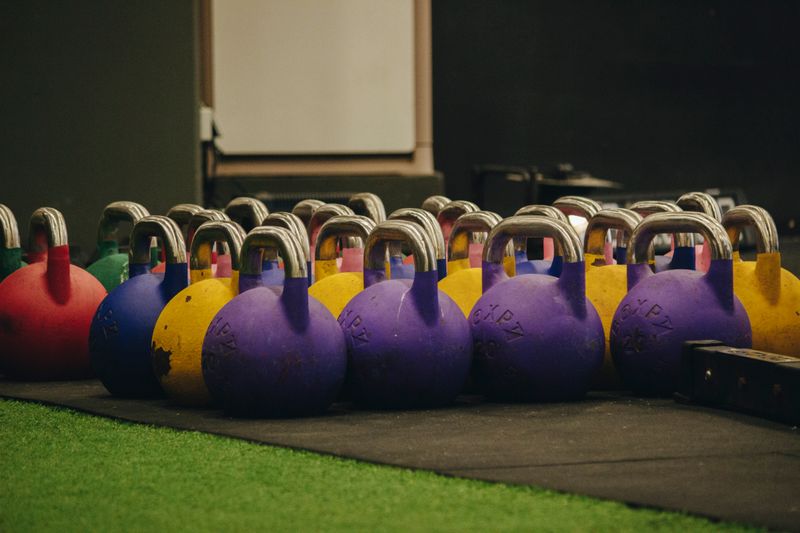
Competition kettlebells are steel, color-coded by weight, and identical in size regardless of how heavy they are, which keeps your form consistent as you go up. They cost more, roughly $70 to $120 for a single bell, and matter mainly if you plan to compete or own several. For a first bell at home, cast iron is the right call.
Adjustable kettlebells exist and save space, with models from Bowflex and others covering roughly 8 to 18 kg in one unit for $120 to $200. They are bulkier in the hand and the handle is often thicker, which some people dislike for high-rep work. For an apartment where storing five separate bells is impractical, the trade-off is worth it.
A two-bell plan that covers years of training
The most cost-effective home setup is two bells, not one and not six. Buy your swing weight and a bell two sizes lighter for grinds and presses. For an untrained man that is 16 kg plus 12 kg; for an untrained woman, 12 kg plus 8 kg. Total outlay is roughly $90 to $150, and that pair covers nearly every kettlebell exercise for the first year or more.
When the lighter bell starts feeling easy on presses and get-ups, it becomes your new warm-up weight and you add the next size up for swings. This is how serious lifters build a small ladder of bells over time without ever wasting a purchase. Each bell drops down a tier as you get stronger rather than going unused.
When to size up
Progress in kettlebell training is not linear like adding 2.5 lb plates to a barbell, because the jumps between bells are 4 kg or more. You stay on one weight until your reps and crispness climb, then make a big leap and your reps temporarily drop. That is normal. A man doing 16 kg swings for sets of 20 with easy form is ready for 20 kg, even though 20 will feel heavy at first.
Track one simple marker: clean, powerful reps at the top of your set. When the last rep of a hard set looks as good as the first, the weight has become training maintenance rather than training stimulus, and it is time to go up. Hold there for a few weeks, then jump. Buy the next bell only when you have clearly outgrown the current one, never in anticipation.
Buying mistakes to avoid
The first mistake is buying a cheap chrome or vinyl-dipped kettlebell. The vinyl coating hides a rough casting underneath and tears your hands on high-rep swings, and the seam where the handle meets the body is often a sharp ridge. Powder-coated or competition bells have a smooth, continuous handle that chalk grips well, which is why they cost a little more and last far longer.
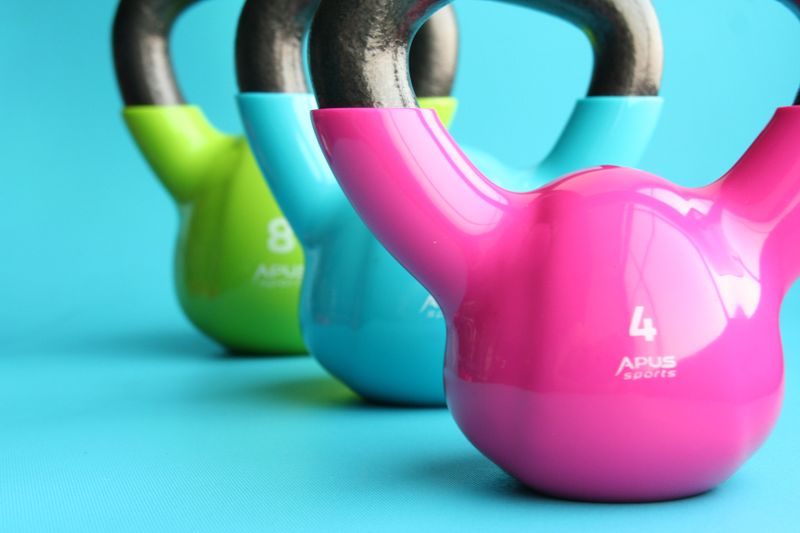
The second mistake is buying a matched starter set of three tiny bells, often 2 kg, 4 kg and 6 kg, sold as a beginner package. Those weights are too light for any productive swing for an adult and you outgrow all three in a week. One correctly sized cast-iron bell beats a boxed set of toy weights for the same money. Check the handle width too: a 35 mm handle suits most hands, while wider handles meant for double-bell work make single-hand grip harder.
A third trap is ignoring the handle window, the gap between the handle and the bell body where your hand and wrist sit during a clean or get-up. A cramped window pinches the back of your forearm on every rep. Hold the bell in the rack position before you commit if you can, or buy from a brand whose handle dimensions are published.
One more point on coatings: a matte powder coat holds chalk and stops the bell sliding through sweaty hands, while a glossy enamel looks nicer in photos and turns slippery the moment your palms are damp. If you train without chalk, the matte finish matters even more. Spend the extra few dollars on the coating rather than on a fancy color, because the grip surface is the part of a kettlebell you actually interact with on every single rep.
🛠️ Free tools for this topic
No sign-up. They do the calculating and checking for you.
Published by the Gym4Home editorial team. Published August 18, 2026. Updated October 4, 2026.
Editorial responsibility: see Imprint.
Spotted an error or have something to add? corrections@gym4home.com
Home Gym Tips, Weekly
Equipment picks, workout ideas, and setup guides — for every space and every budget. No fluff, just useful.
🎁 Free bonus: The Home Gym Starter Checklist (PDF)
You might also like
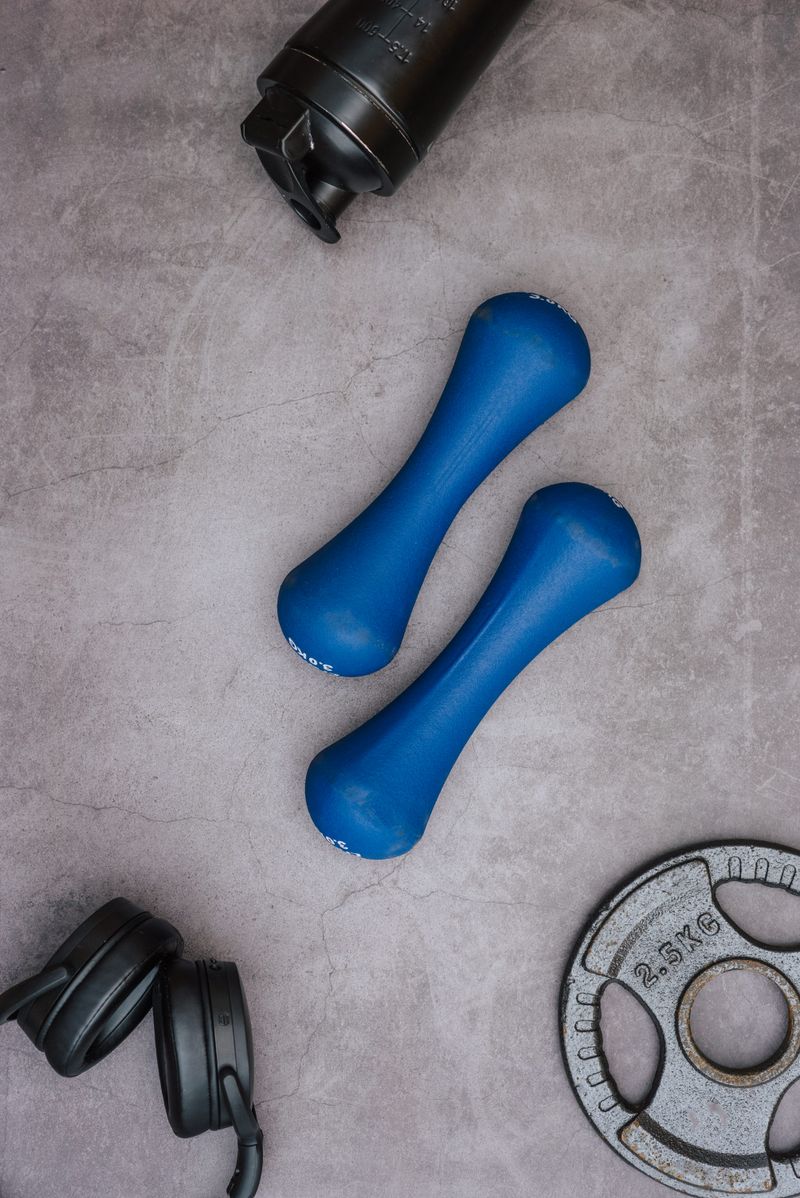
Home Gym Equipment: What to Buy First (and What to Skip)
A step-by-step buying order for home gym equipment, starting with adjustable dumbbells and a bench, with price ranges and the pieces most people buy too early.
Kettlebell Buying Guide: Sizes, Types and What to Buy First
A practical kettlebell buying guide covering material, weight, handle width and finish, with rough US prices and how many bells a home gym actually needs.
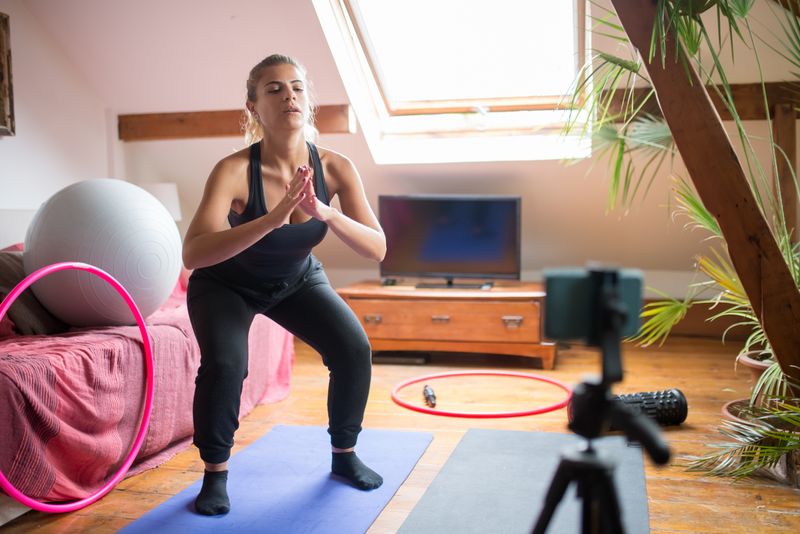
First Equipment to Buy for a Home Gym (In the Right Order)
The right order to buy home gym equipment, starting with adjustable dumbbells, a bench, and a pull-up bar, with US prices for $300, $700, and $1,500 budgets.
📖 All articles on Gym4Home →
Browse our other articles