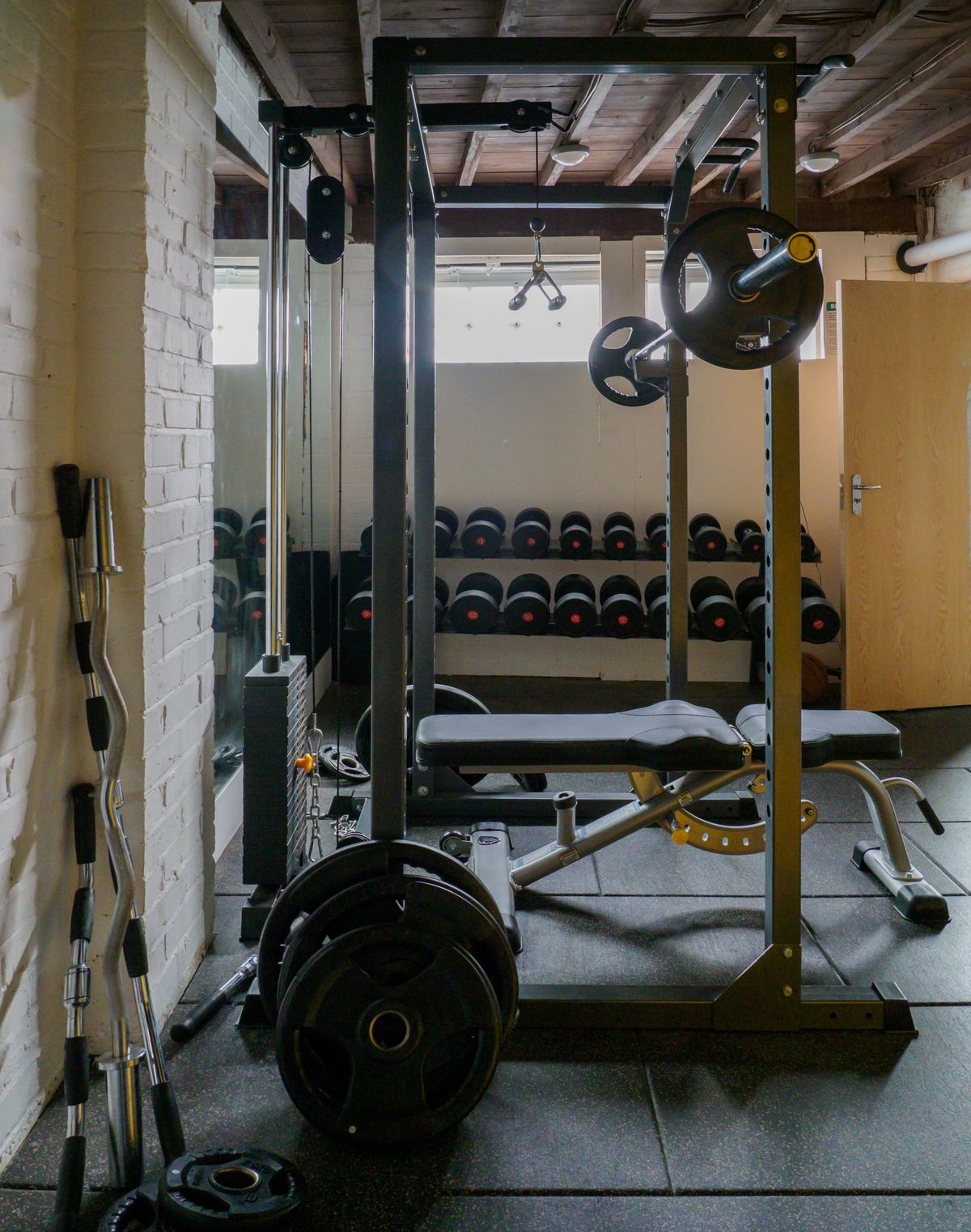
How to Start a Home Gym: Beginner Setup and Budget Guides
A useful starter home gym costs 150 to 400 dollars, far less than a year of most gym memberships, and you can build it one piece at a time. These guides cover what to buy first, realistic budgets, setting up your space, and the common beginner mistakes that lead to a pile of unused equipment.
Key things to know
- A genuinely useful starter gym costs 150 to 400 dollars, far less than a year of most memberships.
- Start with a mat and a band set for under 80 dollars, then add adjustable dumbbells when budget allows.
- Buying everything at once is the classic mistake that leads to unused gear within a month.
- A 300-dollar setup typically pays for itself within a year, and you skip the commute.
- Keep equipment visible and sessions short at first. That does more for consistency than motivation.
The hardest part of a home gym is not the training, it is not overbuying at the start. Almost everyone who quits did the same thing: spent a lot on day one, felt overwhelmed, and let it pile up in a spare room. The guides here take the opposite approach, starting with a mat and bands and adding pieces only as habits form.
Building gradually keeps the cost low and the routine sustainable. A small, visible, easy-to-use setup gets used, and a setup that gets used pays for itself within a year against most gym memberships. These beginner guides cover what to buy first, a realistic budget, setting up your space, and the early mistakes worth avoiding.
Helpful tools for this topic
Free and no sign-up needed. These tools do the calculating and planning for you.
All guides on Beginners
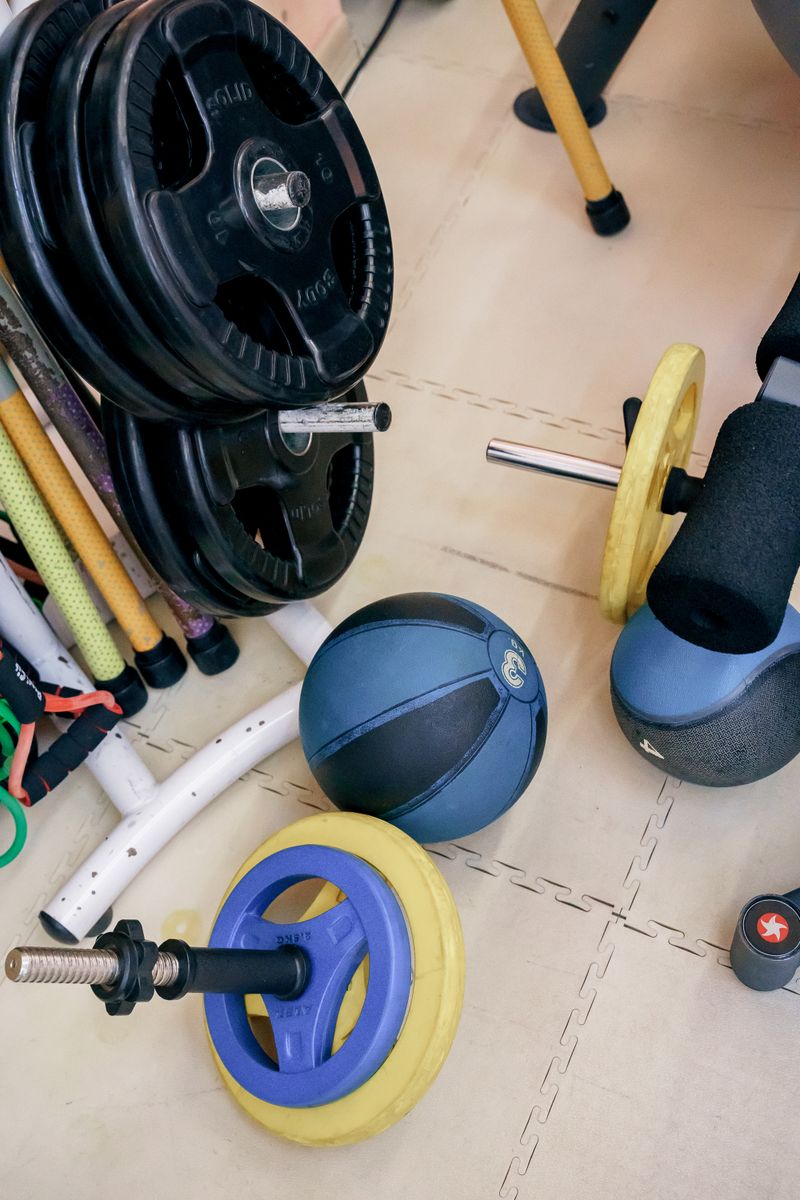
Garage Gym Starter Pack Under $1,500: A Beginner Buying Guide
A complete beginner garage gym for under $1,500: the five-piece core, where to spend, where to save, what to add, and the right order to buy it in.
Read guide →
Home Gym Checklist: What to Sort Out Before You Start
A practical pre-start checklist for building a home gym: measure and protect the space, budget in the right order, pick joint-friendly gear, and plan the routine.
Read guide →
Nutrition Basics for Home Gym Beginners: Eat to Match Your Training
Simple nutrition basics for home gym beginners: how much protein to eat, how to set calories for your goal, where carbs and fats fit, and what actually matters around training.
Read guide →
Home Gym Results Timeline: What to Expect Week by Week
What to realistically expect from a home gym week by week: when strength climbs, when the mirror changes, and why most beginners quit too early.
Read guide →
Home Gym Injury Prevention: What Actually Keeps You Safe
The real causes of home gym injuries and how to avoid them: clear footing, joint-specific warm-ups, slow load progression, and reading pain signals correctly.
Read guide →
How to Breathe When Lifting: A Beginner's Guide to Bracing and Reps
The simple breathing rule for lifting weights, plus how to brace your core, when to use the Valsalva method, and the mistakes beginners make.
Read guide →
How to Learn Exercises Correctly at Home (Without a Coach)
A practical method for learning strength exercises correctly at home without a coach: film your form, learn the pattern first, and ramp load over four weeks.
Read guide →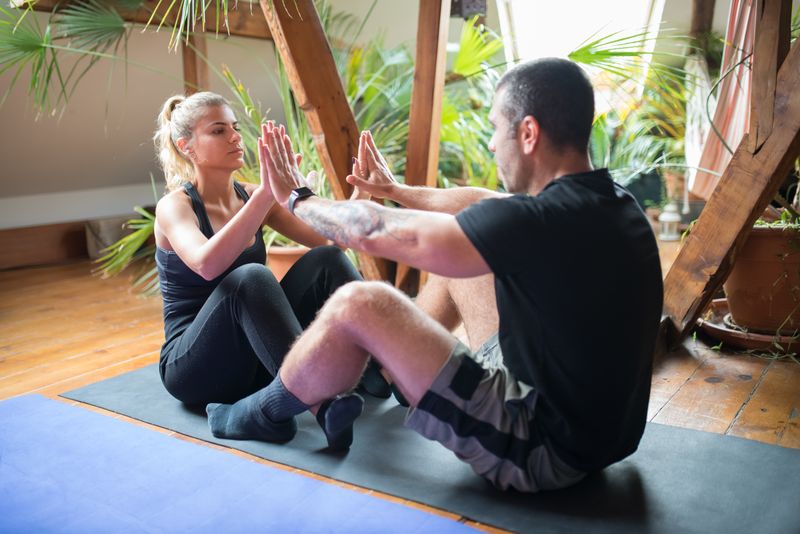
Home Gym vs Gym Membership: Which Is Worth It?
A cost-and-convenience breakdown of home gym versus gym membership for beginners, including a 3-year price table and the hybrid option most people overlook.
Read guide →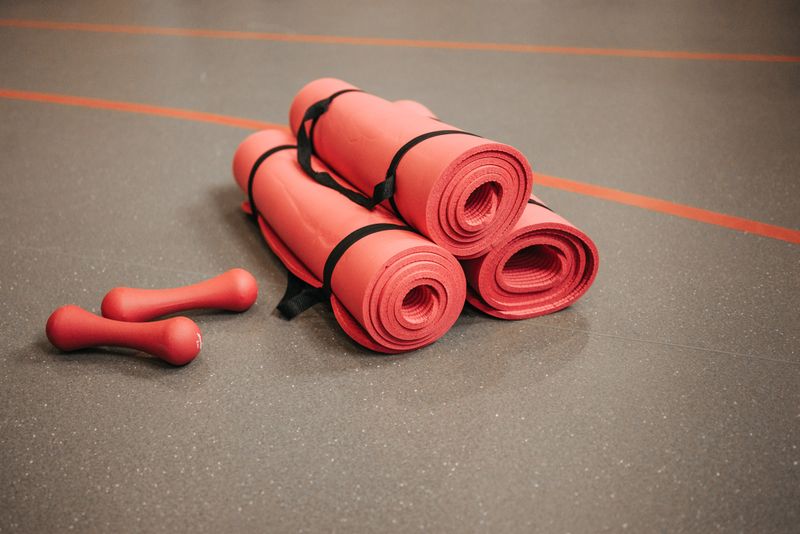
How Much Does a Home Gym Cost? Real Budgets for 2026
Four real home-gym budgets from $200 to $2,500, with full equipment lists, approximate US prices, and tips on where to save.
Read guide →
Progressive Overload Explained: The One Rule That Builds Strength
Progressive overload is the single mechanism behind strength and muscle growth. Here is what it means and six practical ways to apply it at home.
Read guide →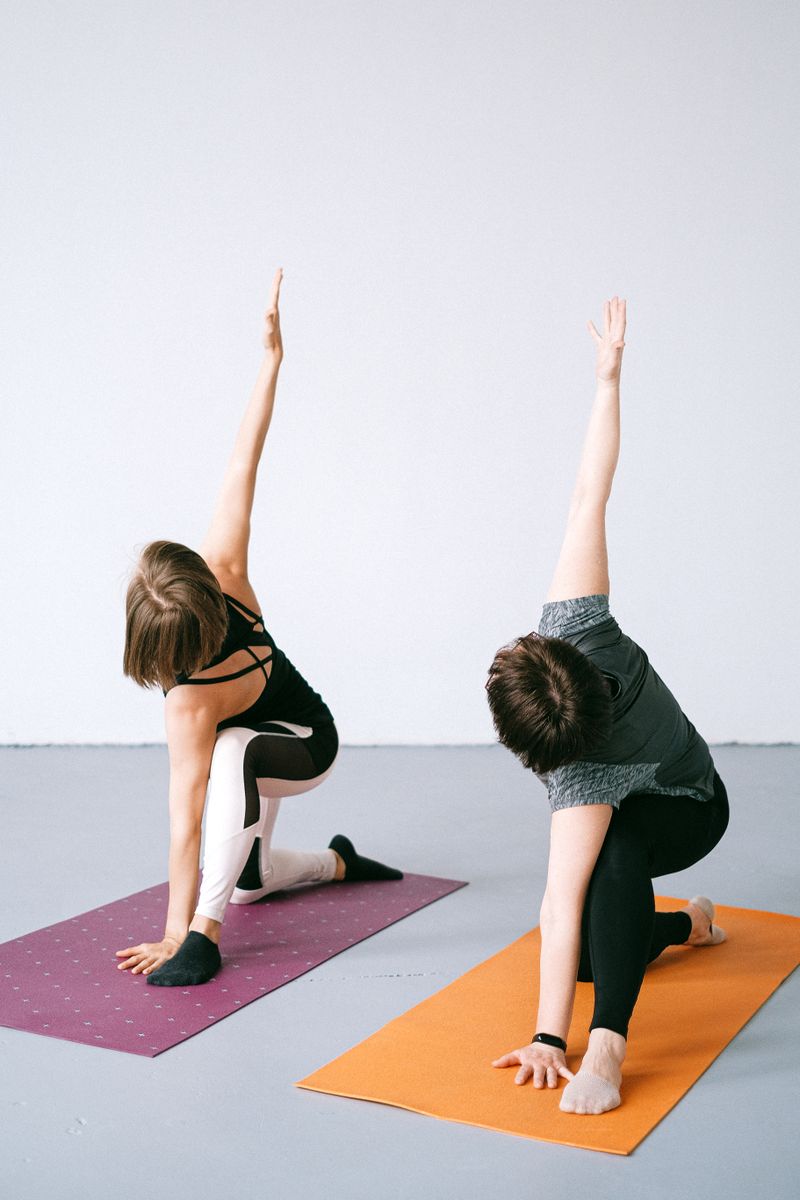
Your First Month of Home Gym Workouts: A Week-by-Week Plan
A beginner-friendly first-month home gym plan: three full-body sessions a week, five core exercises, and a week-by-week progression table.
Read guide →
How to Stay Consistent With a Home Gym (When Nobody's Watching)
How to stay consistent with a home gym when there's no membership or crowd to push you, using fixed times, a session floor, and habit tracking.
Read guide →
How to Set Home Gym Goals You'll Actually Stick To
A practical framework for setting home gym goals you'll keep: outcome vs process goals, making them specific and time-bound, scheduling them, and tracking progress without burning out.
Read guide →
12 Home Gym Mistakes Beginners Make (And How to Avoid Them)
The twelve most common home gym beginner mistakes, from over-buying gear to skipping floor protection, with a simple fix for each.
Read guide →
How to Start a Home Gym From Scratch (Step-by-Step for Beginners)
A step-by-step beginner guide to building a home gym from scratch: space, the five items to buy first, noise fixes, a starter routine, and smart upgrades.
Read guide →New guides on Beginners are added regularly and appear here automatically as soon as they go live.
Frequently asked questions
How much does a home gym cost to start?
A genuinely useful starter setup runs 150 to 400 dollars depending on what you already own. A mat, resistance bands and adjustable dumbbells cover most needs without overspending.
What should a complete beginner buy first?
Start with a mat and a resistance band set for under 80 dollars. Add adjustable dumbbells when budget allows. Buying everything at once usually leads to unused gear within a month.
Is a home gym cheaper than a gym membership?
Over time, yes. A 300-dollar setup pays for itself within a year compared with most memberships, and you save the commute. The break-even is faster if you would otherwise skip the gym.
How do I stay consistent with home workouts?
Set a fixed time, keep equipment visible rather than packed away, and start with short sessions you can actually finish. Tracking your workouts, even in a notebook, helps maintain the habit.
What mistakes do beginners make?
Buying too much equipment at once, lifting too heavy too soon, skipping warm-ups, and chasing complicated routines. Start simple, light and consistent, then progress gradually.
How long until I see results as a beginner?
Most beginners feel stronger and more energetic within two to four weeks. Visible changes in body composition usually take six to twelve weeks of consistent training and reasonable eating.