Kettlebell Buying Guide: Sizes, Types and What to Buy First
This article may contain affiliate links. If you make a purchase through these links, we may earn a small commission at no extra cost to you. This helps us keep creating free content.
Hinweis: Dieser Artikel ersetzt keine ärztliche Beratung. Besprich Trainingsfragen im Zweifel mit Arzt oder Physiotherapie.
A single quality cast-iron kettlebell costs $30 to $70 and covers most of what a home lifter actually needs for years. That one tool trains your legs, back, grip, core and conditioning, which is why it ends up being the highest-value piece of equipment in a small home gym. The catch is that picking the wrong weight, the wrong handle, or a cheap coated bell can turn a $40 purchase into a frustrating mistake you stop using within a month.
Kettlebells reward people with limited space and a limited budget. One bell stores in a corner, makes almost no noise on a mat, and replaces a rack of dumbbells for swings, goblet squats, presses and carries. The decisions worth getting right are weight, material, handle width and finish. Get those four right and the bell will outlast the room you train in.
How a kettlebell differs from a dumbbell
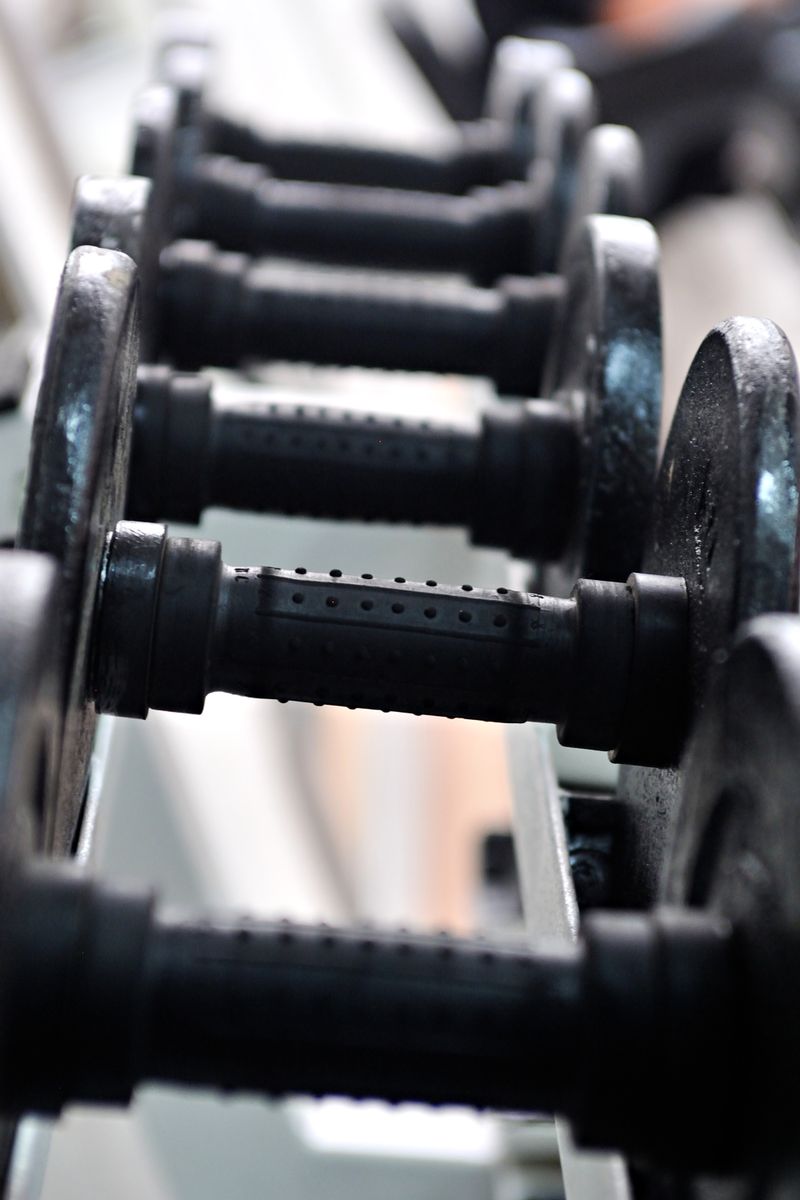
The handle and offset center of mass are the whole point. A dumbbell loads weight evenly on both sides of your hand, so the force runs straight down. A kettlebell hangs its mass below and behind the handle, which means the load shifts as the bell moves. That shifting force is what trains your grip, forearms and the stabilizing muscles around your shoulders and hips during a swing or a clean.
This design makes the kettlebell better than a dumbbell for ballistic moves: swings, cleans, snatches and high-rep conditioning. A dumbbell still wins for slow, precise isolation work like bicep curls or lateral raises, where you want even loading and a wrist-neutral grip. Most home lifters benefit from owning both eventually, but if you can only buy one tool to start, a kettlebell covers more ground per dollar.
Cast iron vs other materials
Yes4All Vinyl Coated Cast Iron Kettlebell, 5 to 100 lb
Cast iron kettlebell with a vinyl coating for swings, squats and grip work at home.
As an Amazon Associate we earn from qualifying purchases.
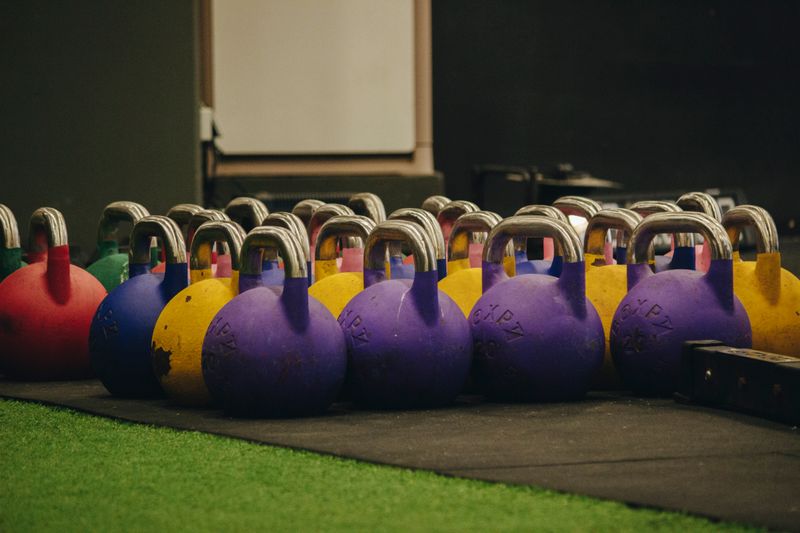
Cast iron is the right default for almost everyone. A solid one-piece cast bell with a smooth or lightly powder-coated handle gives you a consistent surface, predictable balance and a long lifespan. Competition kettlebells, made of steel and sized to a uniform diameter regardless of weight, cost more and matter mainly to people training for kettlebell sport. For a home gym, standard cast iron is the value pick.
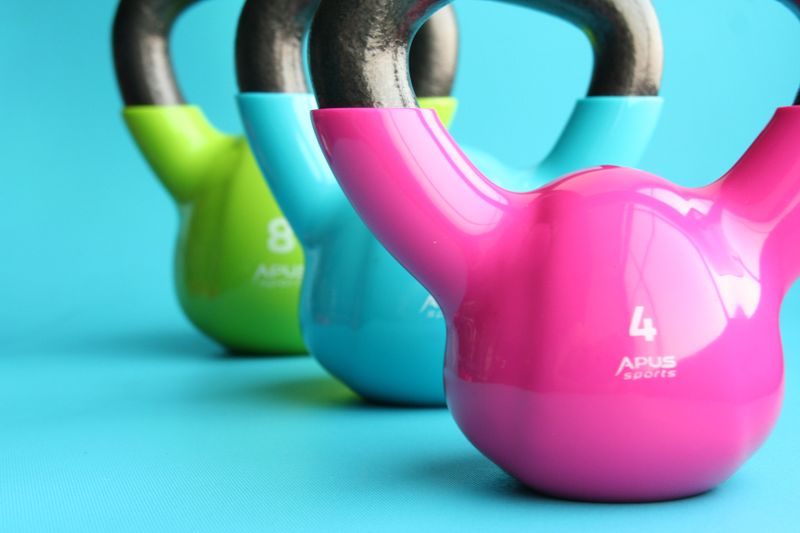
Vinyl-coated and neoprene-coated bells are sold as floor-friendly and apartment-friendly, and the coating does soften noise and protect flooring. The trade-off is a thicker, sometimes slippery handle and a coating that can crack or peel over years of swings. For light weights used in a small room with thin walls, a coated bell is a reasonable choice. For your main working weight, plain cast iron on a rubber mat is more durable and gives a better grip.
Adjustable kettlebells exist and save space by stacking plates inside a shell, letting one unit cover a range like 10 to 40 lb. They suit a lifter who wants several weights without storing several bells. The downsides are a bulkier shape, a higher price (often $100 to $250), and a handle or balance that rarely feels as clean as a fixed bell during fast swings.
| Type | Rough US price | Best for | Watch out for |
|---|---|---|---|
| Standard cast iron | $30–70 per bell | Most home lifters, swings, squats, presses | Cheap bells with rough seams on the handle |
| Coated (vinyl/neoprene) | $35–80 per bell | Apartments, floor protection, light weights | Thicker, sometimes slick handle; coating wear |
| Competition steel | $70–130 per bell | Kettlebell sport, uniform diameter feel | Overkill and pricey for general fitness |
| Adjustable | $100–250 per unit | Saving space across several weights | Bulkier shape, balance off for fast swings |
Choosing your first weight
Most adult men start with a 16 kg (35 lb) bell for swings and a lighter one around 12 kg (26 lb) for presses and getups. Most adult women start with 12 kg (26 lb) for swings and 8 kg (18 lb) for overhead and single-arm work. These are starting points, not rules. Swings tolerate more weight than presses because your hips drive the bell, while pressing is limited by your weaker shoulder.
Buy for the swing first, because the swing is the move most people do most often and the one that benefits from a real load. A bell that feels slightly heavy on a press will feel correct on a two-handed swing. If you are over 50, returning from a long break, or working around a shoulder issue, drop one size from the numbers above and earn the heavier bell over a few weeks. Going too light is a smaller mistake than going too heavy.
Handle, finish and the details that matter
Handle width decides how the bell feels in your hand more than the weight does. A handle around 33 to 35 mm thick suits most hands and lets you fit two hands side by side for swings. Very thick handles tax your grip in a way that helps strength but hurts high-rep sets. Check that two hands actually fit in the window of the handle if you plan to do two-handed swings, since some budget bells have tight windows.
Finish is the other detail people skip. A raw or lightly coated cast handle gives the best grip with light chalk and breaks in over time. A glossy, thickly painted handle can be slick when your hands sweat and may need sanding to feel right. Avoid handles with a visible mold seam running across the grip surface, because that ridge will tear into your palms during swings. Run your thumb across the handle window before you commit to a bell in a store, or read reviews that mention seam quality online.
Plan storage and flooring before the bell arrives. A 35 lb bell dropped on tile cracks tile, and dropped on a thin mat it can still mark a floor. A 1.5 to 2 cm rubber mat or a horse-stall mat under your training spot protects the floor, quiets the bell, and gives a stable base for swings. In an apartment, that mat is the difference between training freely and worrying about the neighbor below.
How many bells to build a real home setup
One bell trains a beginner well for months. Add a second once your swing weight clearly outgrows your press weight, which happens for most people within the first eight to twelve weeks. A common two-bell starter pair is a heavier bell for swings and deadlifts and a lighter bell for presses, getups and rows. That pair covers a full-body program without a rack or a bench.
A three-bell set, roughly light, medium and heavy, lets you run almost any kettlebell program and gives a spare for double-bell work like double front squats and double presses. For most home lifters this is the ceiling worth buying toward, not a wall of bells. Beyond three weights, the gains come from programming and technique, not from owning another piece of iron.
| Setup | Typical weights | Rough total cost | What it unlocks |
|---|---|---|---|
| One bell | Swing weight only | $30–70 | Swings, goblet squats, carries, rows |
| Two bells | Heavy + light | $70–140 | Full-body program, presses, getups |
| Three bells | Light, medium, heavy | $110–210 | Almost any program, double-bell work |
Apartment and joint considerations
Noise is the deciding factor for many apartment lifters, and the kettlebell is one of the quieter strength tools when you respect the floor. Swings make almost no sound because the bell never leaves your hands. The noise risk comes from setting the bell down hard between sets, so lower it under control onto a rubber mat rather than dropping it. A coated bell adds a margin of quiet for downstairs neighbors, though the mat does most of the work.
Joint-friendliness depends on technique more than on the tool. The hip hinge in a swing loads your hips and hamstrings while sparing the knees, which suits people with knee issues better than deep squatting under a heavy bar. Goblet squats let you sit between your knees with an upright torso, often gentler on the back than a barbell back squat. If you have a cranky shoulder, favor the single-arm press over the strict overhead press and stop the range where the shoulder stays comfortable.
What to do with the bell once it arrives
Learn the hinge before the swing. The kettlebell swing is a hip hinge, not a squat and not an arm lift, and the bell floats up because your hips snap forward. Practice the deadlift pattern first: push your hips back, keep a long spine, stand up tall. Once that pattern is automatic, the swing follows. Rushing into swings with a rounded back is how people hurt themselves and blame the tool.
Build a simple weekly routine from a handful of moves: two-handed swings, goblet squats, presses, rows and farmer carries. Those five cover your whole body and need only one or two bells. Keep sessions short and frequent rather than long and rare, since the bell rewards consistent practice of the hinge and the press. A bell you use three times a week for twenty minutes beats a rack of equipment you use once a month.
Frequently asked questions
What size kettlebell should a beginner buy?
Most beginner men start with a 16 kg (35 lb) bell and most beginner women with a 12 kg (26 lb) bell for swings, dropping one size for overhead pressing. If you are over 50 or returning from a break, go one size lighter and add weight as the hinge becomes automatic.
Are coated kettlebells worth it for an apartment?
For light weights in a room with thin walls, a coated bell does cut noise and protect flooring, so it is a reasonable apartment pick. For your main working weight, plain cast iron on a rubber mat lasts longer and grips better, and the mat solves the noise issue anyway.
Can one kettlebell be enough?
Yes, one bell at your swing weight trains a beginner well for months across swings, goblet squats, rows and carries. Add a second lighter bell once pressing clearly lags your swing weight, which happens for most people within three months.
Kettlebell or dumbbell first?
Buy a kettlebell first if you want one tool that covers strength and conditioning, because swings, cleans and carries have no clean dumbbell equivalent. Add adjustable dumbbells later for isolation work like curls and lateral raises where even loading matters.
What weight jumps should I buy?
Standard cast-iron bells come in roughly 4 kg jumps (8, 12, 16, 20, 24 kg). A light, medium and heavy spread covers almost any program, and those jumps are large enough that you rarely need the in-between sizes at home.
Do I need a mat under my kettlebell?
A 1.5 to 2 cm rubber mat protects flooring, quiets the bell and gives a stable base for swings, so it is worth the $20 to $40 it costs. In an apartment it matters more than the bell's coating for keeping the peace with neighbors.
Is a kettlebell safe for bad knees or a bad back?
The hip hinge in a swing loads your hips and hamstrings while sparing the knees, which often suits people with knee issues better than deep squatting under a bar. Technique matters more than the tool, so learn the hinge with a light bell first, keep a long spine, and stop any movement that produces sharp joint pain rather than muscle effort.
How heavy can I expect to go over time?
Many people who train swings consistently move from a 16 kg to a 24 kg bell over several months, and some advance further. There is no need to chase numbers, since high-rep work with a moderate bell builds plenty of strength and conditioning. Add weight only when your current bell stops being challenging for the prescribed reps with clean form.
How much space does kettlebell training need?
A clear patch about six feet by six feet is enough for swings, since the bell stays in front of you and the main requirement is room to hinge without hitting furniture. For overhead presses you also want a ceiling high enough to lock the bell out at arm's length, which most rooms easily provide. Storage takes almost nothing, as one to three bells tuck into a corner or under a bench.
Cast iron or competition bell for a first purchase?
Standard cast iron is the better first purchase for general fitness, because it costs less and the slightly larger diameter at heavier weights is rarely a problem. Save the competition steel bell for when you specifically train kettlebell sport and want a uniform handle and diameter across every weight you own.
🛠️ Free tools for this topic
No sign-up. They do the calculating and checking for you.
Published by the Gym4Home editorial team. Published May 29, 2026. Updated October 4, 2026.
Editorial responsibility: see Imprint.
Spotted an error or have something to add? corrections@gym4home.com
Home Gym Tips, Weekly
Equipment picks, workout ideas, and setup guides — for every space and every budget. No fluff, just useful.
🎁 Free bonus: The Home Gym Starter Checklist (PDF)
You might also like
Used Gym Equipment Buying Guide: What to Buy and What to Skip
A buying guide to used gym equipment: which gear is a safe secondhand buy, what to skip, how to inspect it, and what to pay.
Best Rubber Flooring for a Home Gym (Tiles, Rolls and Mats Compared)
How to choose rubber flooring for a home gym: tiles, rolls and stall mats compared by price, thickness and apartment noise, with clear recommendations.
Home Gym Equipment: What to Buy First (and What to Skip)
A step-by-step buying order for home gym equipment, starting with adjustable dumbbells and a bench, with price ranges and the pieces most people buy too early.
📖 All articles on Gym4Home →
Browse our other articles