First Equipment to Buy for a Home Gym (In the Right Order)
This article may contain affiliate links. If you make a purchase through these links, we may earn a small commission at no extra cost to you. This helps us keep creating free content.
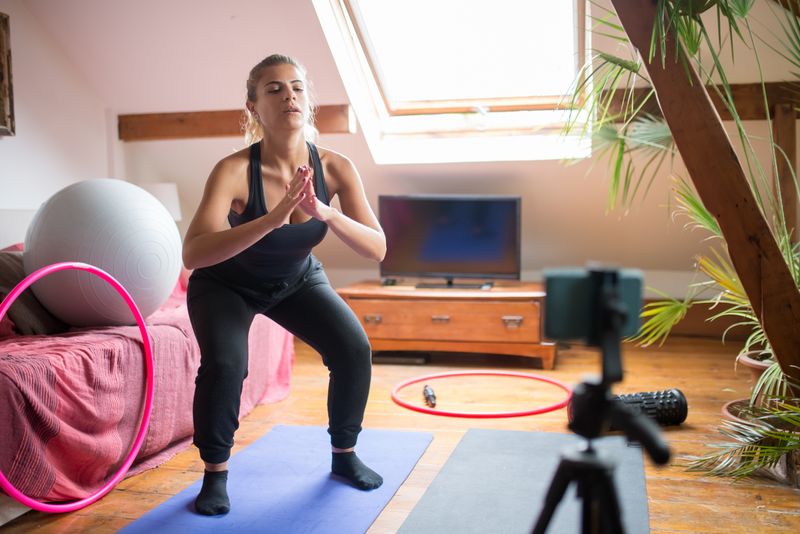
Adjustable dumbbells, a flat-incline bench, and a doorframe pull-up bar cover roughly 80 percent of what most people train at home, and together they cost less than a single year of a commercial gym membership. The mistake almost everyone makes is buying a machine first. A leg-press station or a cable tower eats half the room and trains one pattern, while a pair of well-chosen dumbbells trains your whole body for a fraction of the price.
The order you buy in matters as much as what you buy. Spend on the pieces you will use every session, skip the gadgets you will use twice, and add the bulky stuff only once you know you will keep training. What follows is that order, with rough US retail prices so you can budget the whole build before you spend a dollar.
Buy load before you buy machines
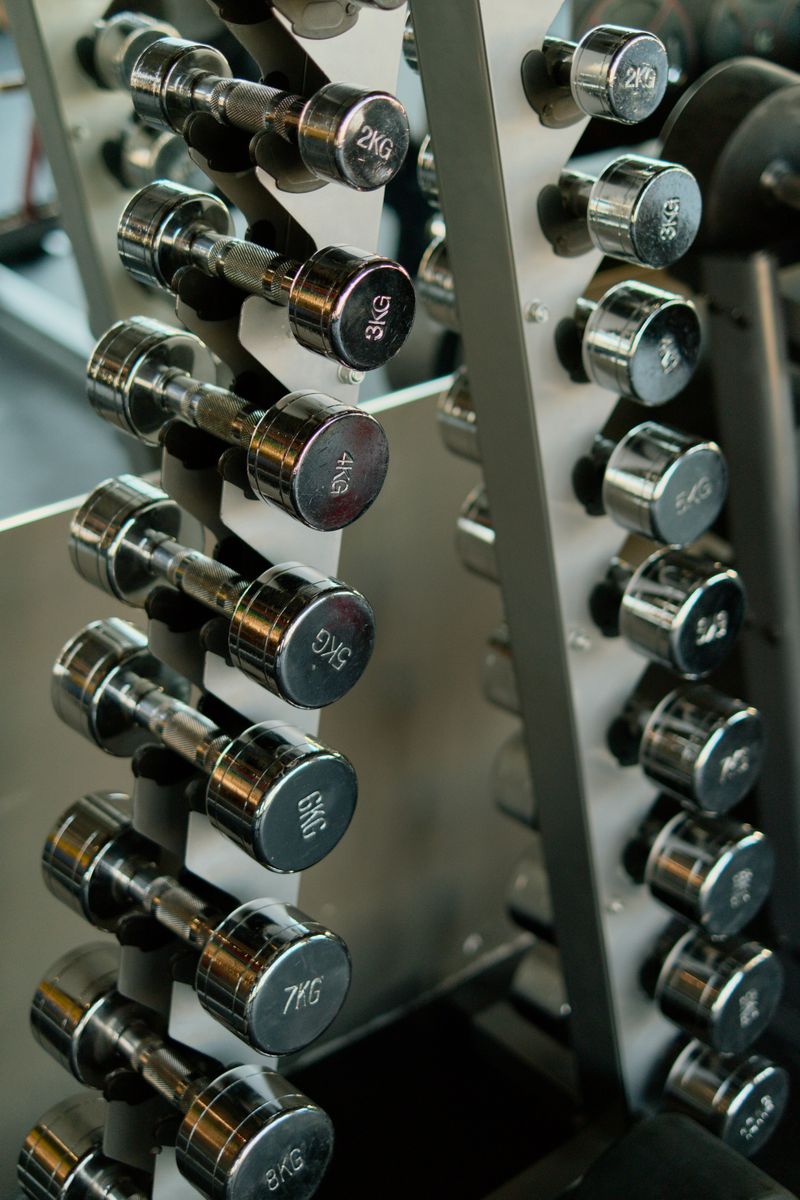
Resistance is the thing that makes muscle grow, and the cheapest way to own a lot of adjustable resistance is a set of dumbbells. A fixed rack of dumbbells from 5 to 50 pounds costs $400 to $700 and needs a wall of floor space. Adjustable dumbbells do the same job in the footprint of two shoeboxes, dialing from about 5 up to 50 or 90 pounds per hand.
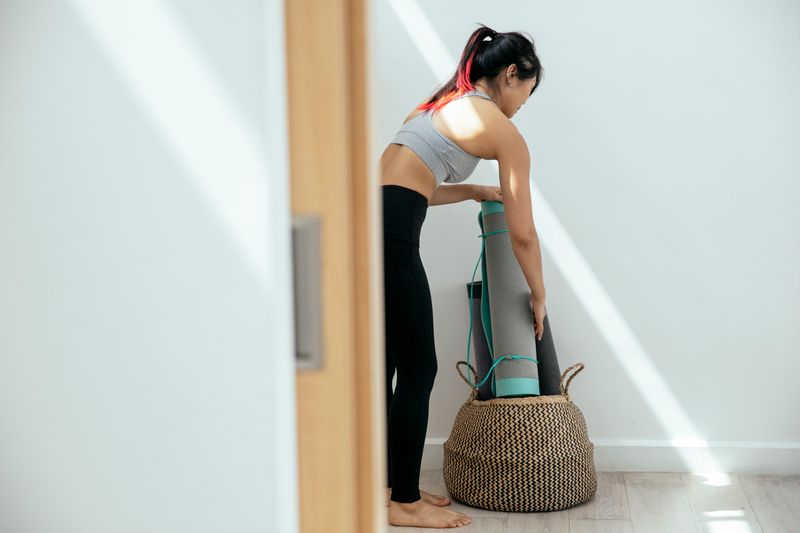
Plate-loaded adjustables in the older spinlock style run $80 to $150 a pair and take a few seconds to change. Dial-style sets such as the Bowflex SelectTech or NÜOBELL run $300 to $450 a pair and change weight in one twist, which matters more than it sounds when you are dropping weight between sets. If your budget is tight, start with a $100 plate-loaded pair and upgrade later. If you can stretch, the dial sets are the better long-term buy because you will actually do the weight changes instead of skipping them.
A bench turns dumbbells into a full gym
Fit Simplify Resistance Bands Set
Five resistance levels in a kit that fits in a drawer, gentle on the joints and ideal to start with.
As an Amazon Associate we earn from qualifying purchases.
A flat dumbbell press works your chest, but an adjustable bench unlocks incline press, seated shoulder press, single-arm rows, step-ups, and split squats. That one piece roughly doubles your exercise menu. A solid flat-incline-decline (FID) bench runs $120 to $250 and folds flat against a wall when you are done.
Check two numbers before buying a bench: the weight rating and the gap at the seat-to-back junction. Aim for a rating of at least 600 pounds total so it stays planted under a heavy press, and look for a small gap between pad sections so your back stays supported on incline. Cheaper benches with a big gap leave a pressure point right under your shoulder blades.
Pull-ups cost thirty dollars
The single best value in a home gym is a doorframe pull-up bar. It costs about $25 to $40, installs in two minutes with no drilling, and trains your back and biceps better than most $1,000 machines. The leverage-mount design braces against the wall above the door, so your bodyweight actually clamps it tighter rather than pulling it loose.
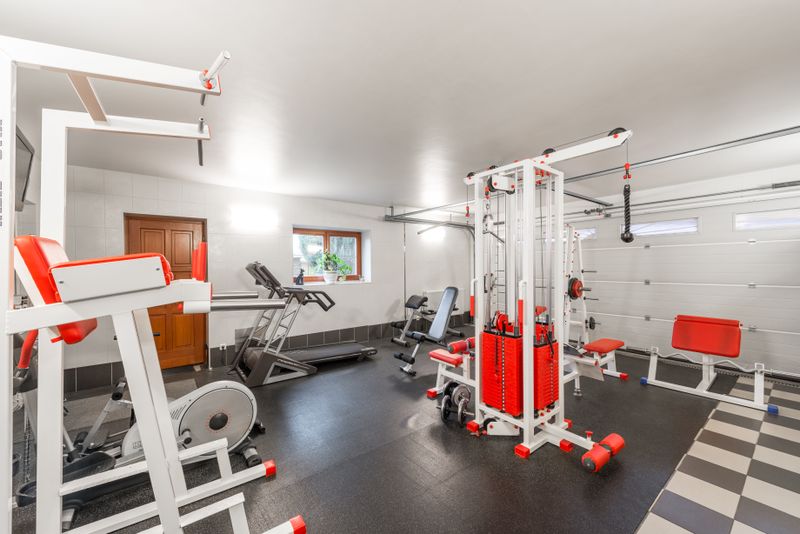
If you cannot do a full pull-up yet, loop a long resistance band over the bar and put a knee or foot in it for assistance. The same bar doubles as an anchor for hanging knee raises and band rows. Make sure your doorframe trim is solid wood or backed by it. Hollow trim with no support behind it can crack under load, so test gently before you hang your full weight.
The full priority order
Here is where every dollar should go and in what sequence. Buy each tier only after the one above it is in regular use, so you never own equipment you have not earned the habit for.
| Order | Item | Approx. US price | Why it ranks here |
|---|---|---|---|
| 1 | Adjustable dumbbells | $100–$450 | Trains the whole body; smallest footprint per pound of resistance |
| 2 | Adjustable FID bench | $120–$250 | Roughly doubles your exercise menu |
| 3 | Doorframe pull-up bar | $25–$40 | Best value in the gym; covers back and arms |
| 4 | Resistance band set | $25–$40 | Assists pull-ups, adds rehab and warm-up options |
| 5 | Rubber floor mat or tiles | $40–$120 | Protects the floor, dampens noise, defines the space |
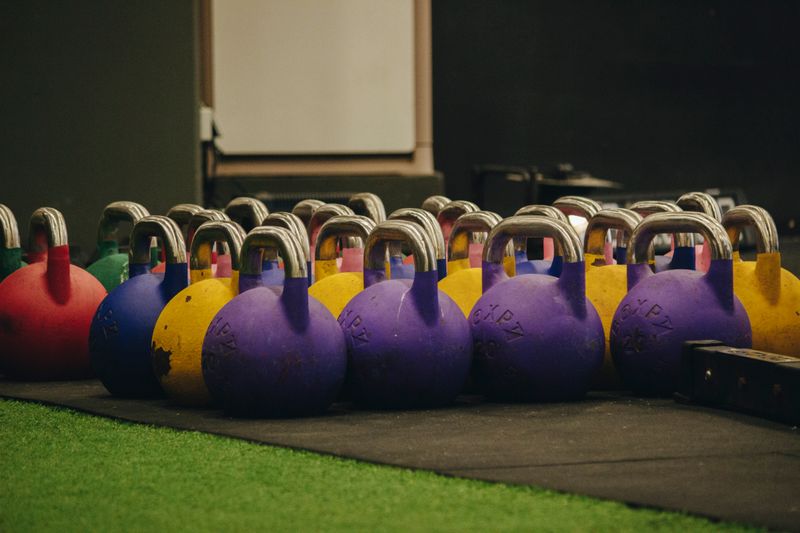
| 6 | Kettlebell (single, 25–35 lb) | $40–$80 | Swings, goblet squats, carries; one bell goes a long way |
| 7 | Barbell + plates + rack | $600–$1,200 | Only worth it once you out-load the dumbbells |
Tiers one through five total roughly $310 to $900 and fit in a corner. That is a complete, progressable gym for most people. The barbell and rack at the bottom are excellent, but they are a commitment of space and money that only pays off once you are consistently pressing or rowing more than your dumbbells can hold.
What to skip on the first pass
Vibration plates, ab rollers as a primary tool, doorway suspension trainers as your only resistance, and any all-in-one tower that promises 50 exercises usually end up as expensive coat racks. The tower problem is real: it commits a large footprint to cable movements you can replicate with bands and dumbbells at a tenth of the cost and a tenth of the space.
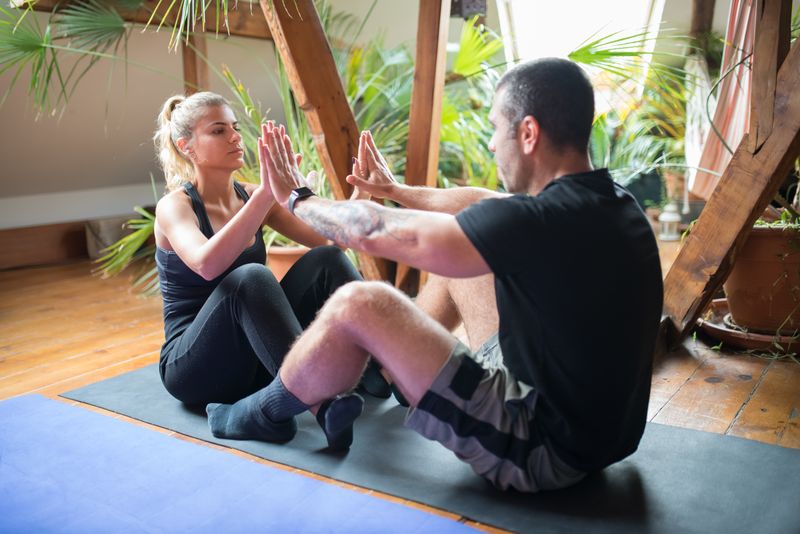
A treadmill or rowing machine is a different case. Those are not strength tools, they are cardio, so they sit outside this priority list. If your main goal is conditioning rather than muscle, buy the cardio machine first and treat the dumbbells as the add-on. For everyone building strength, load comes before cardio hardware.
How to spend three common budgets
On about $300, buy a $120 pair of plate-loaded adjustable dumbbells, a $130 bench, and a $30 doorframe bar. That covers presses, rows, squats, lunges, curls, and pull-ups, which is a complete beginner program with room to progress for a year or more.
On about $700, upgrade to dial-style dumbbells at $350, keep the $150 bench and $30 bar, and add a $40 band set, a $30 kettlebell, and an $80 floor mat. That is a polished setup that handles almost any home program short of heavy barbell work. On $1,500 and up, add a barbell, 200 to 300 pounds of plates, and a squat stand or half rack, and you have a setup that rivals a commercial floor for the lifts that matter.
Match the gear to your training goal
The priority order shifts a little depending on what you are training for. For general strength and muscle, the list above is exactly right: dumbbells, bench, bar, bands. That covers the press, the row, the squat, the hinge, and the pull, which are the five patterns that build a balanced body.
For fat loss and conditioning, slot a single kettlebell up to position two, right behind the dumbbells, and push the bench down a notch. Kettlebell swings, goblet squats, and loaded carries raise your heart rate while still loading muscle, so one 35-pound bell becomes a whole conditioning circuit. For pure mobility and rehab work, a band set and a foam roller move to the top, since they handle the gentle, high-rep work joints respond to. Pick your goal first, then bend the order to fit it.
Flooring and space planning come before the heavy stuff
Protect the floor before you bring in anything you might drop. A 4-by-6-foot rubber mat or interlocking tiles run $40 to $120 and do three jobs at once: they save the floor from dropped dumbbells, they dampen the noise that travels to neighbors below, and they give you a defined, grippy footprint to train on. On a hard floor without a mat, a dropped 40-pound dumbbell will gouge laminate and rattle the whole building.
Plan the space in three zones. You need a lie-down zone of about 6 by 3 feet for floor presses and stretching, a stand-up zone with clear overhead height for pressing, and a storage zone where the bench folds and the dumbbells sit. In a corner of roughly 6 by 6 feet, all three overlap and the gym disappears between sessions. Measure the ceiling height too, because an overhead dumbbell press for a tall person needs about 8 feet of clearance.
Care, warranty, and what lasts
Most home gym gear is close to indestructible, which is why buying used works so well for the simple pieces. Cast-iron plates, kettlebells, and welded-frame benches have nothing to wear out, so a second-hand one at 40 to 60 percent off retail performs like new. The exceptions are the pieces with a mechanism: dial-style dumbbells, cable machines, and anything with bearings or pistons. For those, buy new and keep the warranty, because the moving parts are what fail.
Wipe down dumbbells and benches after sweaty sessions to keep rust and odor away, and check the locking mechanism on adjustable dumbbells every few weeks. A worn dial or a loose plate collar is the one safety issue in an otherwise low-risk setup. Store everything off a damp floor in a garage to avoid surface rust on bare iron, and a light coat of machine oil on raw barbell knurling once a season keeps it clean.
Frequently asked questions
Do I need a barbell to build muscle at home? No. Dumbbells up to 50 pounds per hand cover the strength needs of most people for years. A barbell becomes worth the space and cost only when you are regularly pressing or rowing heavier than your dumbbells allow.
Adjustable dumbbells or a fixed set? Adjustable, unless you have a dedicated room and a generous budget. Fixed dumbbells feel nicer to grab but cost more in total and demand a wall of floor space. Adjustables give you the same range in two small blocks.
How much floor space do I actually need? A corner of about 6 by 6 feet handles dumbbells, a bench, and a pull-up bar. You need clear space to lie down for floor presses and to stand for overhead work, which is the real constraint, not the footprint of the gear itself.
Is a power tower worth it for a beginner? Rarely. It commits a large footprint to movements a $30 doorframe bar and a band set already cover. Spend that money on dumbbells and a bench instead, and revisit a tower only if you specifically want dip stations in a dedicated room.
What is the one piece to buy first if I can only buy one? A pair of adjustable dumbbells. With those alone you can train every major muscle group through full-body workouts. Everything else on this list widens the menu, but the dumbbells make the menu exist.
Can I build a full gym in an apartment without disturbing neighbors? Yes, with the right choices. Dumbbells, a bench, and a pull-up bar are nearly silent if you control the weights down instead of dropping them. Add a rubber mat to soak up the rare bump, and skip the dropped-barbell lifts and high-impact jumping. The whole strength setup runs quieter than a vacuum cleaner.
How long before I outgrow dumbbells and need a barbell? For most people, a year or more, and many never do. You outgrow them when your working sets on presses or rows exceed the top weight your dumbbells hold, usually 50 to 90 pounds per hand depending on the set. At that point a barbell lets you keep adding weight in small jumps, which is when the rack earns its floor space.
Are cheap dumbbells safe to use? The plate-loaded budget sets are safe if you check the collar that locks the plates before every set. The failure mode on cheap adjustables is a plate working loose mid-rep, which is why the dial-style sets, with their captured plates, are worth the extra money once you train hard. Inspect any adjustable dumbbell's locking mechanism regularly regardless of price.
Should I buy resistance bands or dumbbells first? Dumbbells, for most people. Bands are excellent for assistance work, warm-ups, and joint-friendly high-rep sets, but the resistance curve changes as the band stretches, which makes it harder to track progress precisely. Dumbbells give you a fixed, knowable load that you can add to in small steps. Buy the dumbbells as your foundation, then add a band set as a cheap and versatile complement.
Is a folding bench as sturdy as a fixed one? A good folding flat-incline bench is plenty sturdy for dumbbell work, as long as the weight rating is high and the locking pins engage firmly. The trade-off is a slightly higher price for the same rating compared to a fixed bench, and a hinge that you should check occasionally. For an apartment or shared room where the bench has to disappear between sessions, the folding design is worth that small premium.
How do I keep a home gym from taking over the room? Choose pieces that fold or stack and give each one a home. Adjustable dumbbells sit on a small stand or shelf, the bench folds against a wall, bands hang on a hook, and the mat rolls up. The discipline is putting each piece away right after the session, the same way the folding rower only saves space if you actually fold it. A gym that resets to a clean corner is a gym you will keep using.
🛠️ Free tools for this topic
No sign-up. They do the calculating and checking for you.
Published by the Gym4Home editorial team. Published May 27, 2026. Updated October 4, 2026.
Editorial responsibility: see Imprint.
Spotted an error or have something to add? corrections@gym4home.com
Home Gym Tips, Weekly
Equipment picks, workout ideas, and setup guides — for every space and every budget. No fluff, just useful.
🎁 Free bonus: The Home Gym Starter Checklist (PDF)
You might also like
Home Gym Equipment: What to Buy First (and What to Skip)
A step-by-step buying order for home gym equipment, starting with adjustable dumbbells and a bench, with price ranges and the pieces most people buy too early.
Used Gym Equipment Buying Guide: What to Buy and What to Skip
A buying guide to used gym equipment: which gear is a safe secondhand buy, what to skip, how to inspect it, and what to pay.
Best Rubber Flooring for a Home Gym (Tiles, Rolls and Mats Compared)
How to choose rubber flooring for a home gym: tiles, rolls and stall mats compared by price, thickness and apartment noise, with clear recommendations.
📖 All articles on Gym4Home →
Browse our other articles