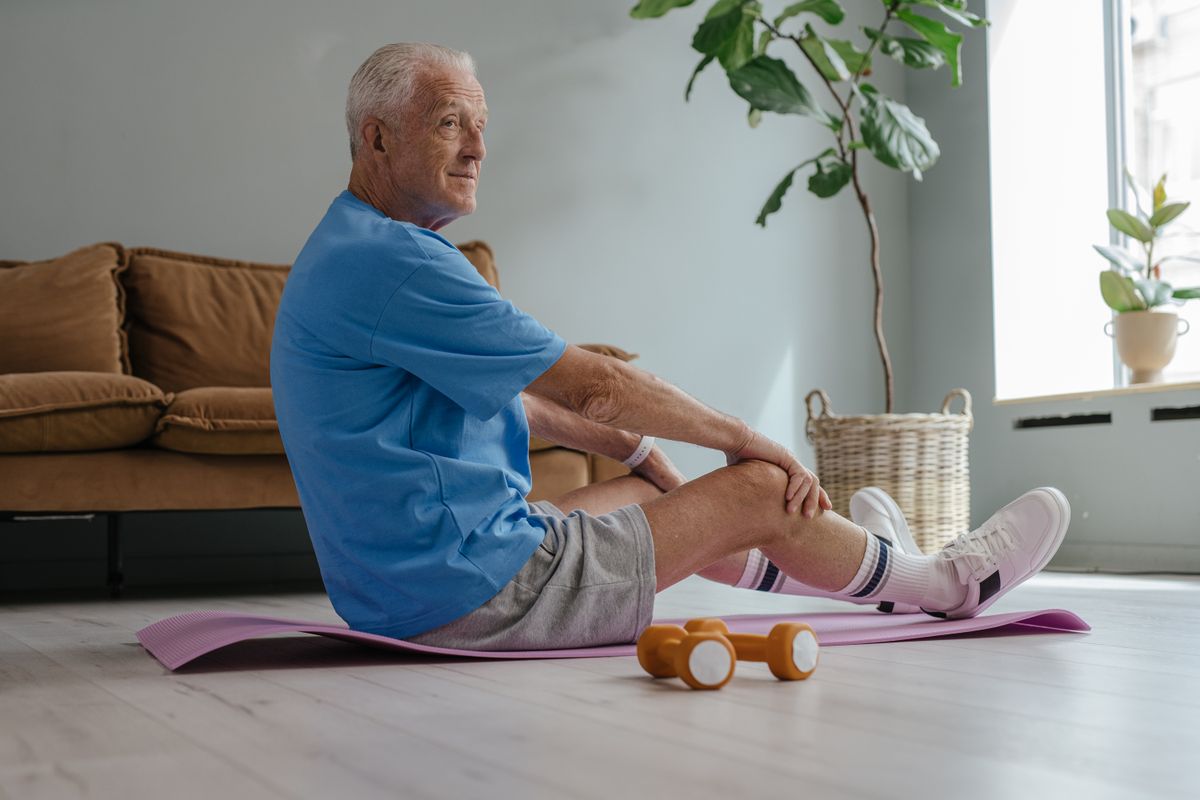
Home Gym for Seniors: Low-Impact, Joint-Friendly Training
Resistance training slows and partly reverses age-related muscle loss at any age, and you can do it at home with under 200 dollars of equipment. These guides cover joint-friendly workouts, equipment for bad knees and backs, and realistic routines for over-50s, over-60s and beyond. Always check with your doctor before starting.
Key things to know
- Resistance training slows and partly reverses age-related muscle loss at any age, including in your 70s and 80s.
- Bands, light adjustable dumbbells and a sturdy chair cover most needs for under 200 dollars.
- Bad knees are not a barrier. Seated moves, bands and chair-assisted squats build strength without the pounding.
- Two or three moderate sessions a week, kept up for months, beat occasional hard workouts.
- Most people feel steadier balance and more energy within two to four weeks.
The biggest myth about training after 60 is that it is too late to matter. The opposite is true: the gains in strength, balance and day-to-day independence are larger for older adults than for almost anyone else, and resistance bands alone are enough to produce them. The guides here focus on movements that are gentle on the joints and routines you can actually keep up.
Starting sensibly matters more than starting hard. Light loads, good form and a rest day between sessions let you build steadily without setbacks, and a quick word with your doctor first is wise if you have a heart condition or a recent injury. From there, consistency does the work, and the equipment needed fits in a corner.
Helpful tools for this topic
Free and no sign-up needed. These tools do the calculating and planning for you.
All guides on Senior Fitness
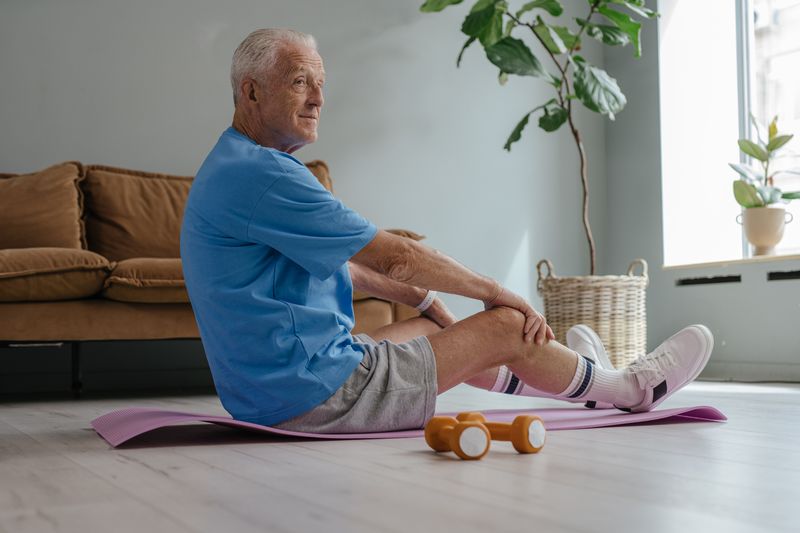
Low-Impact Cardio at Home for the Over-60s
Joint-friendly cardio for the over-60s you can do in a small room: seven exercises, a weekly target, an effort gauge, and optional low-cost equipment.
Read guide →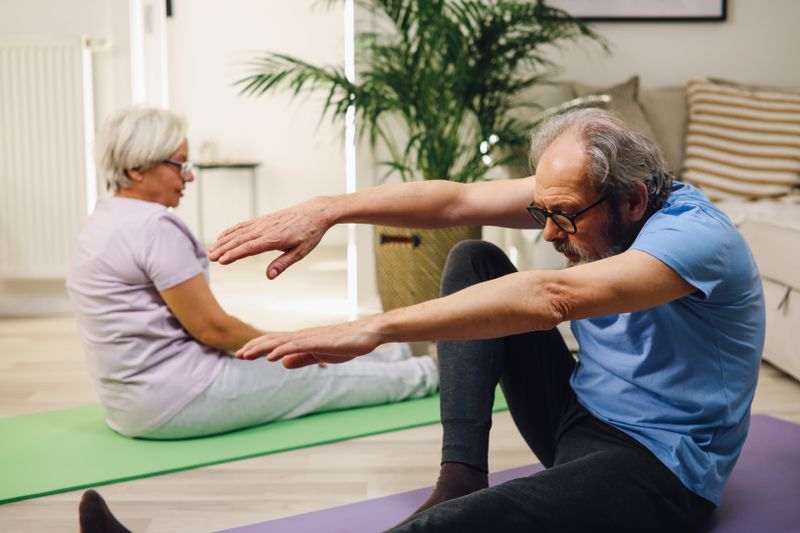
Strength Training for Seniors Over 60: A Practical Starter Guide
How to start strength training safely after 60: why muscle matters, seven foundational exercises with sets and reps, and affordable home equipment.
Read guide →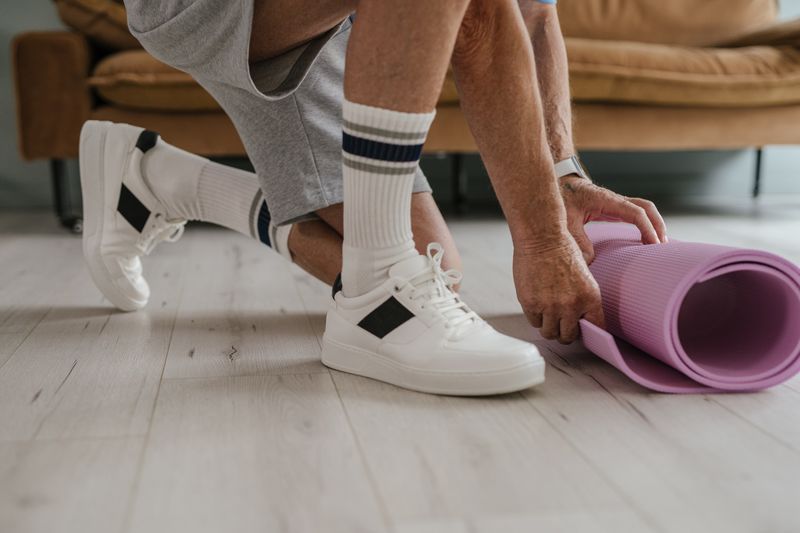
No-Equipment Bodyweight Workout for Seniors
A safe, no-equipment bodyweight workout for older adults with sets, reps and form cues, using just a chair, a wall and the floor to build everyday strength.
Read guide →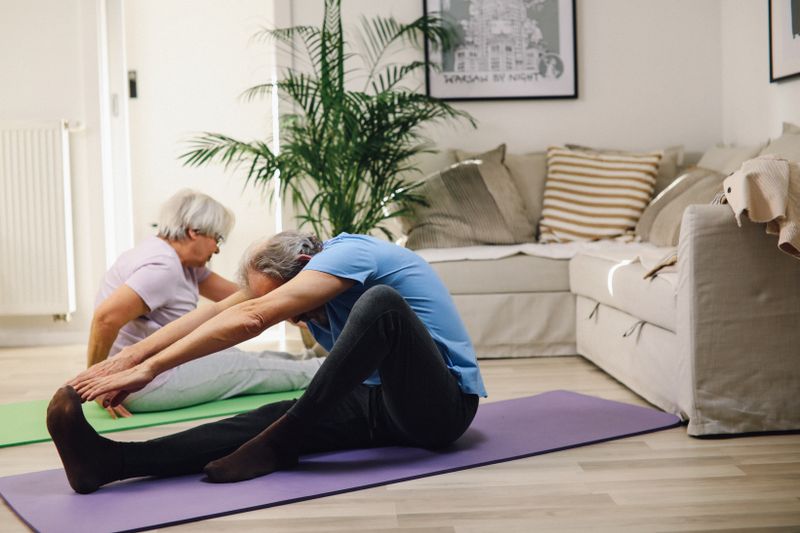
Rowing Machines for Seniors: Low-Impact Cardio That Builds Strength
A buying-and-technique guide to rowing machines for older adults, covering the four resistance types, senior-friendly features like seat height, and back-safe form.
Read guide →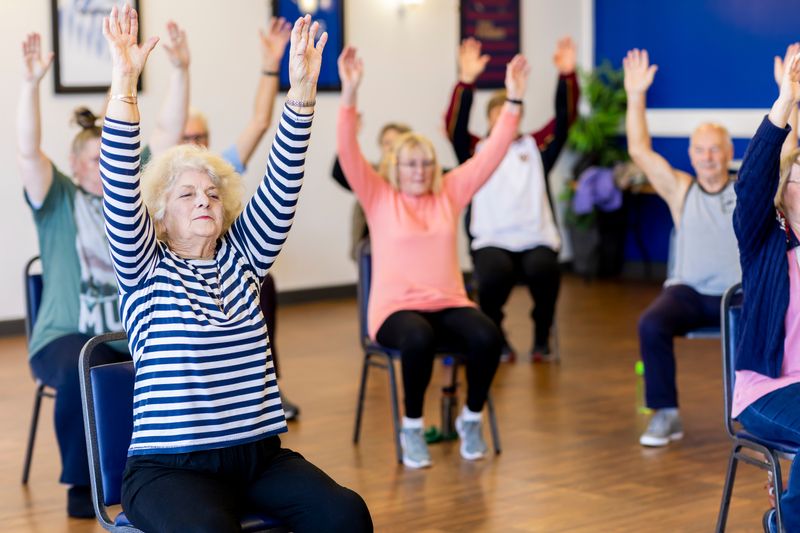
Arthritis-Friendly Home Exercises (Gentle, Joint-Safe Routines)
Gentle, low-impact home exercises for people with stiff or sensitive joints: warm-up, joint-friendly strength moves, low-impact cardio, and safe recovery.
Read guide →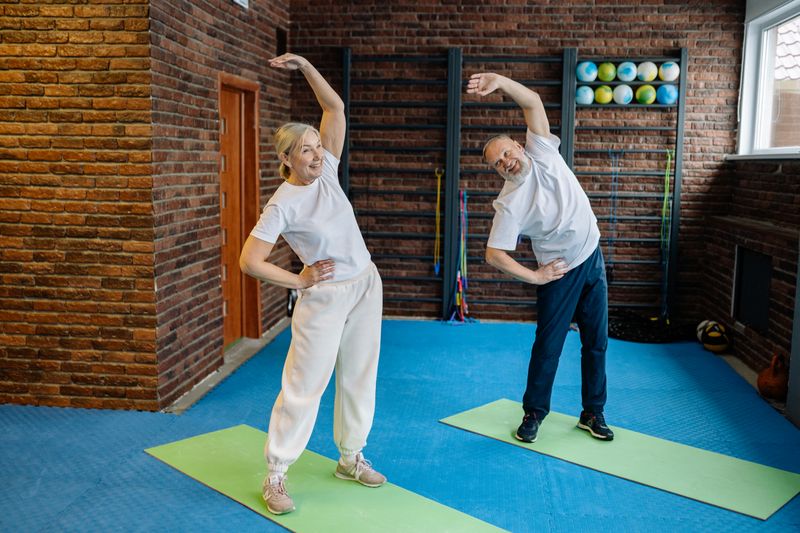
Best Adjustable Dumbbells for Older Adults: A Practical Buying Guide
A practical guide to choosing adjustable dumbbells for older adults, comparing dial and pin systems, weight ranges and grip-friendly features with US prices.
Read guide →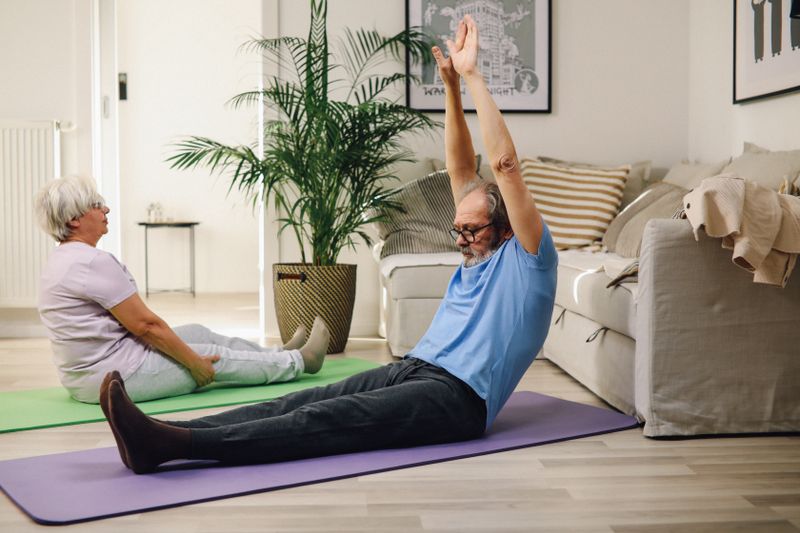
A Full-Body Resistance Band Workout for Seniors
An eight-exercise full-body resistance band routine for older adults, with a clear sets-and-reps table, seated options, and how to progress safely.
Read guide →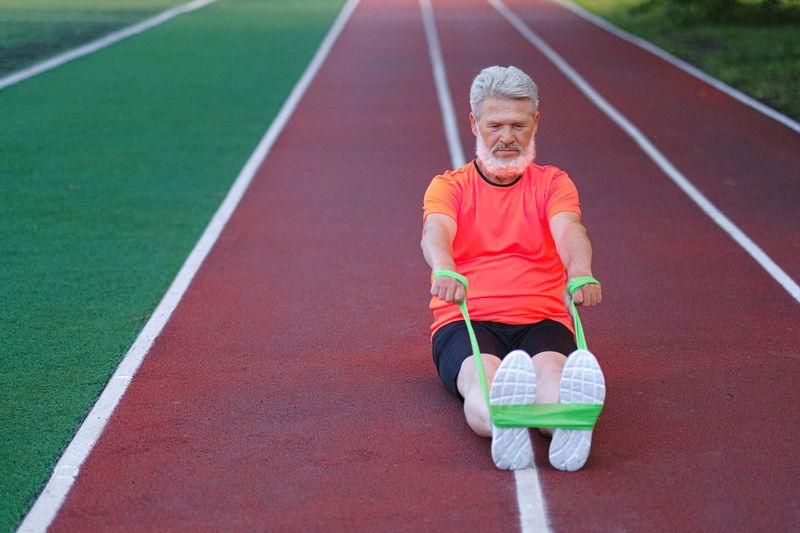
How to Build a Home Gym After 60 on a Budget
A practical, budget shopping list and starter routine for building a joint-friendly home gym after 60, with US prices and where to spend versus save.
Read guide →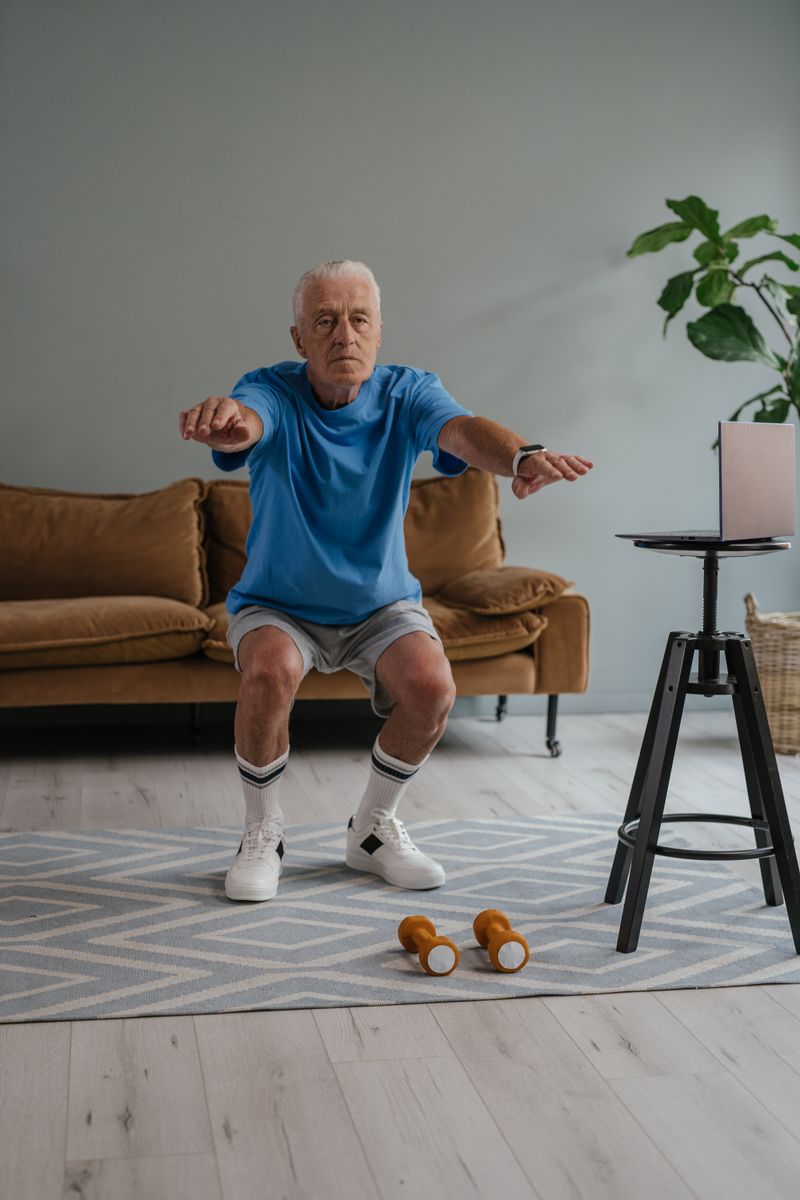
Chair Exercises for Seniors: A Full Seated Strength Workout at Home
A full seated strength workout for older adults using one sturdy chair. Seven exercises with sets and reps, a warm-up, a cool-down and progression tips.
Read guide →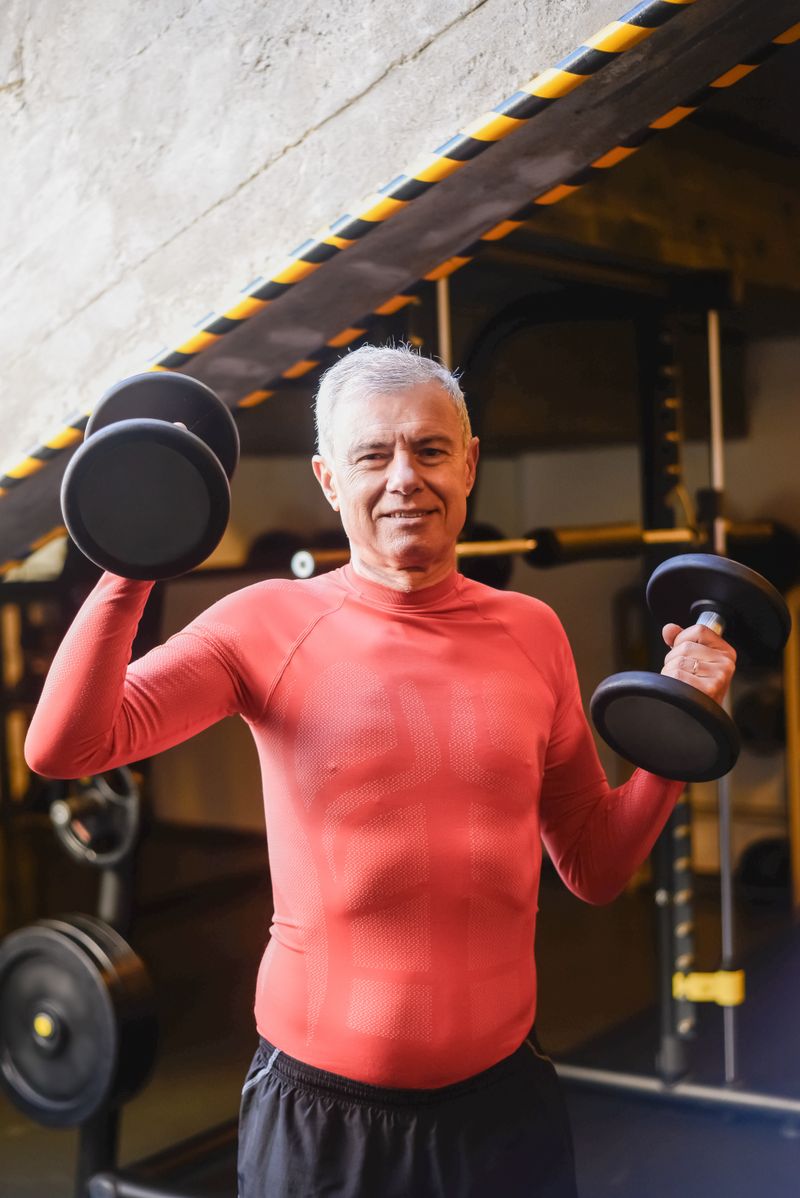
Seated Resistance Band Workout for Seniors: 8 Exercises You Can Do in a Chair
A safe, joint-friendly seated resistance band routine for older adults: eight chair exercises with sets, reps and clear setup instructions.
Read guide →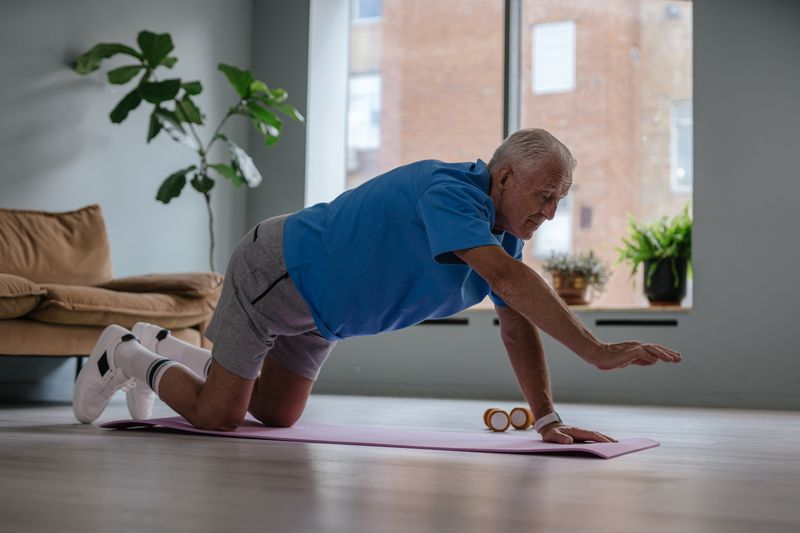
A 30-Minute Dumbbell Workout for Seniors (Full-Body, Joint-Friendly)
A complete 30-minute full-body dumbbell workout for older adults, with a sets-and-reps table, step-by-step form for seven exercises, and safe progression tips.
Read guide →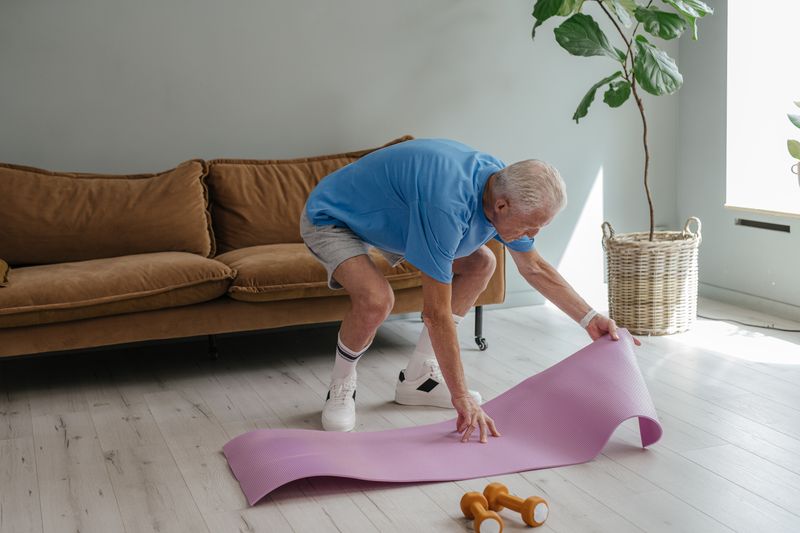
Home Gym for Bad Knees: Joint-Friendly Equipment That Works
Joint-friendly home gym equipment for sore knees: low-impact cardio, resistance bands and dumbbells, US price ranges, a sample routine and gear to avoid.
Read guide →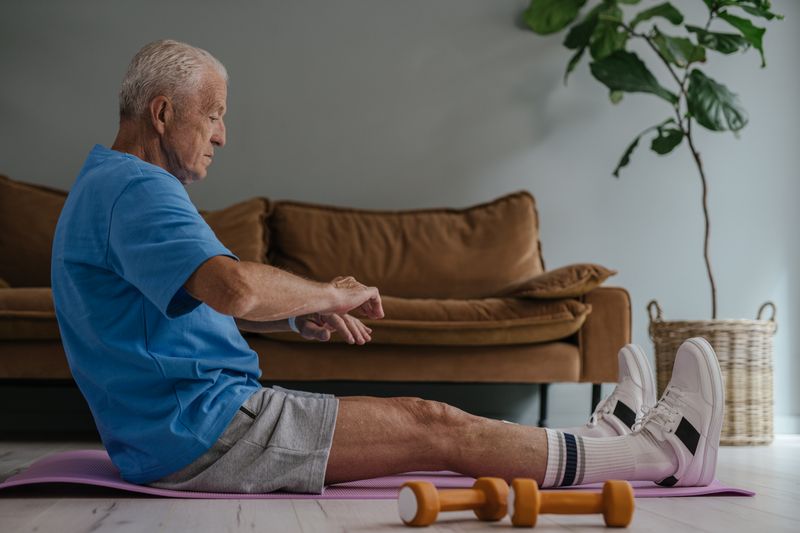
Low-Impact Home Workout Equipment: A Joint-Friendly Buying Guide
A joint-friendly buying guide to low-impact home workout equipment, comparing resistance bands, adjustable dumbbells, seated cardio and balance gear with US price ranges.
Read guide →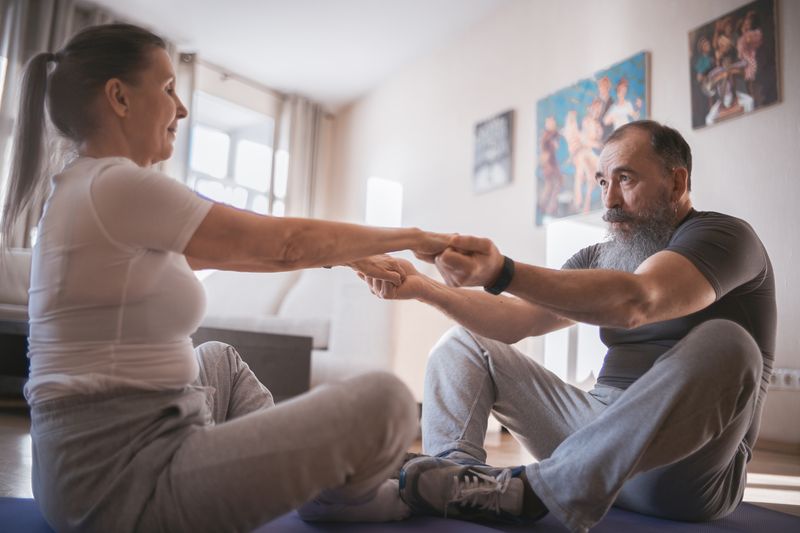
Best Home Gym Equipment for Seniors Over 60: What Actually Works
A practical, joint-friendly home gym for people over 60, ranked by value and adjustability, with approximate US prices and a sensible buy-in-order plan.
Read guide →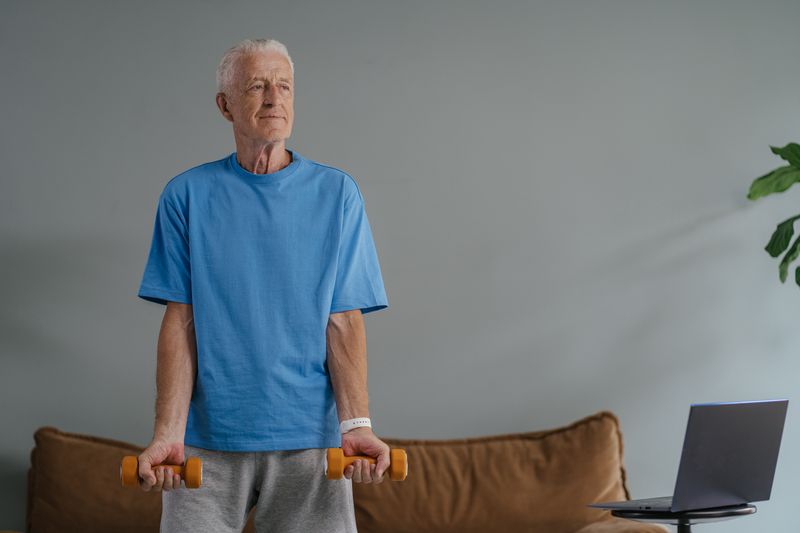
How to Start Exercising at Home After 50: A Practical Plan
A step-by-step home workout plan for adults over 50, covering the cheapest starter kit, joint-friendly warm-ups, four beginner exercises, and an eight-week progression.
Read guide →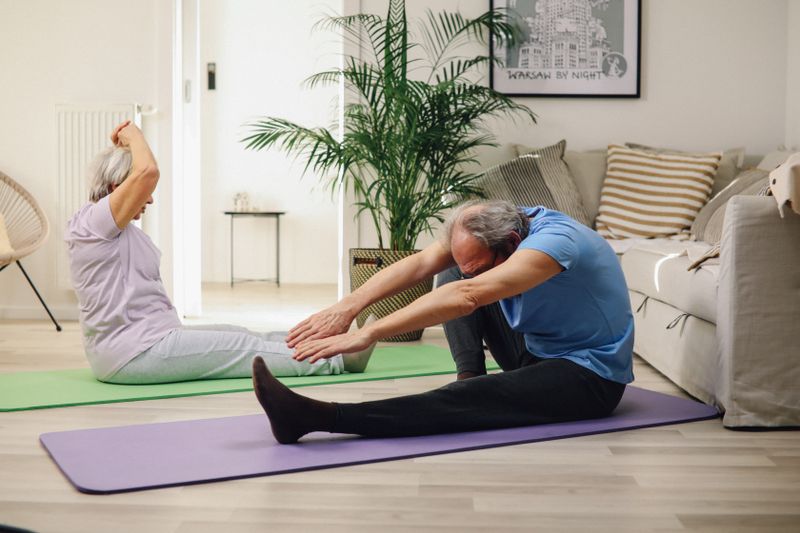
Resistance Bands for Seniors: Beginner Workout Plan (No Gym Needed)
A complete beginner resistance-band program for older adults: why bands suit aging joints, how to choose and anchor them safely, and a full four-week plan covering upper body, legs, core and balance.
Read guide →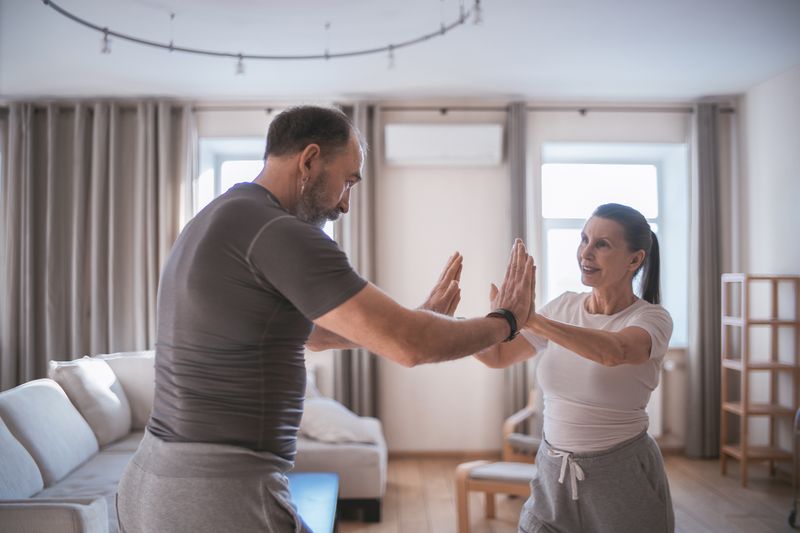
Home Gym for Seniors: The Complete Guide to Getting Started
A complete, practical guide to building a joint-friendly home gym after 50: what to buy in what order, the four pillars of older-adult fitness, a sample weekly routine, safety, and how to progress and stay consistent.
Read guide →New guides on Senior Fitness are added regularly and appear here automatically as soon as they go live.
Frequently asked questions
Is it safe to start strength training after 60?
For most people, yes, and the benefits for strength, balance and independence are large. Start light, focus on good form, and check with your doctor first if you have a heart condition or recent injury.
What equipment is best for seniors?
Resistance bands, light adjustable dumbbells and a sturdy chair cover most needs. A recumbent bike or rowing machine adds joint-friendly cardio. Avoid high-impact equipment if your knees or hips are sensitive.
Can I exercise with bad knees?
Yes, by choosing low-impact movements. Resistance bands, seated exercises, a recumbent bike and chair-assisted squats build strength without pounding the joints. Stop any movement that causes sharp pain.
How often should an older adult train?
Two or three moderate sessions a week, kept up over months, do more than occasional hard workouts. Leave at least one rest day between strength sessions for recovery.
Are resistance bands enough to build strength?
Yes. Bands create real resistance and studies show meaningful strength gains in older adults. They are gentle on the joints and let you adjust difficulty by shortening or lengthening your grip.
How quickly will I see results?
Most people feel more energy and steadier balance within two to four weeks. Visible strength gains usually take six to twelve weeks of consistent training.