12 Home Gym Mistakes Beginners Make (And How to Avoid Them)
This article may contain affiliate links. If you make a purchase through these links, we may earn a small commission at no extra cost to you. This helps us keep creating free content.
Hinweis: Dieser Artikel ersetzt keine ärztliche Beratung. Besprich Trainingsfragen im Zweifel mit Arzt oder Physiotherapie.
The most expensive home gym mistake costs nothing up front: buying a rack of equipment before you have a plan for using it. A spare-room corner stacked with dumbbells, a folding bench, and a doorway pull-up bar that never gets touched is the most common way new home gyms fail. The gear is rarely the problem. The plan, the placement, and the first few weeks of habit are where things go wrong.
Most beginner mistakes fall into three buckets: spending money in the wrong order, training in a way that hurts or bores you, and setting up a space you avoid. Each one is fixable, and most cost little or nothing to correct. Walk through the twelve below, sort out the two or three that apply to you, and your setup starts working the way you pictured it.
Buying too much equipment too fast
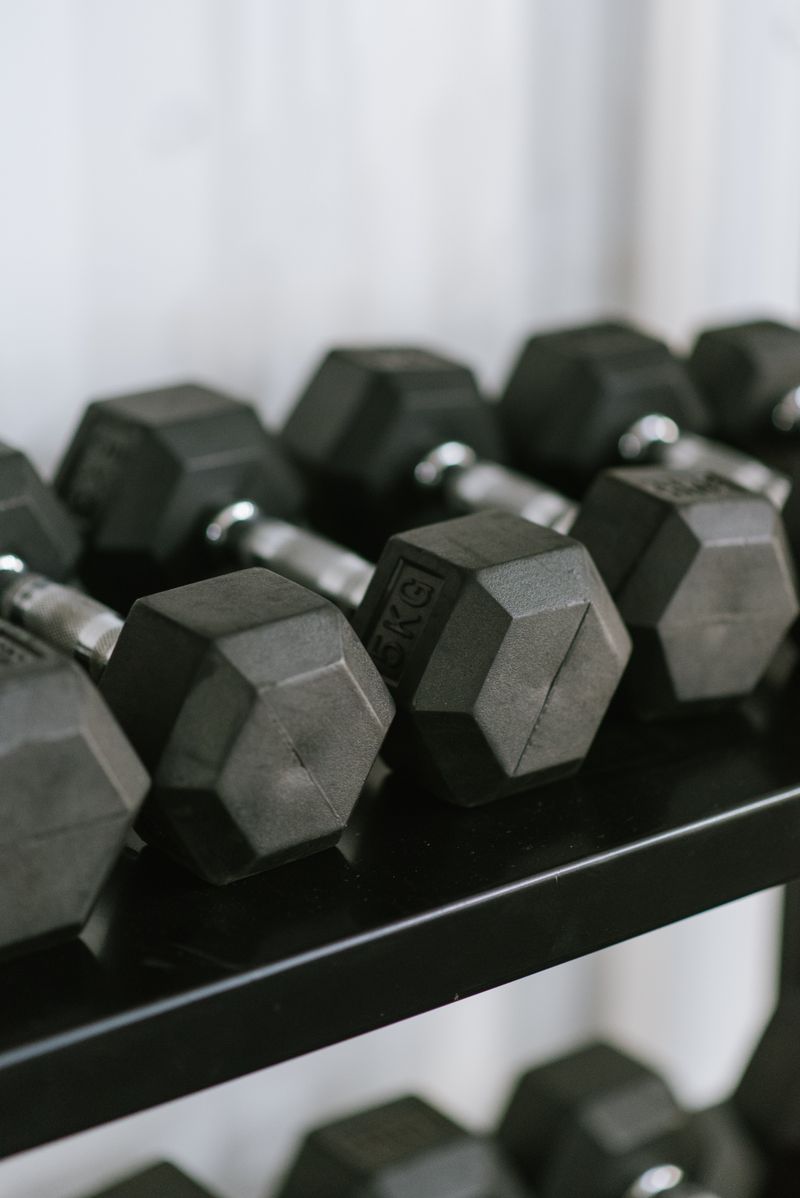
A beginner who spends $1,500 in week one usually owns three things they never use by month three. The pull is understandable. A complete setup feels like progress, and the marketing photos make a fully kitted garage look like the goal. The reality is that a pair of adjustable dumbbells (roughly $250–400) and a sturdy bench ($120–200) cover the large majority of what a beginner needs for the first six months.
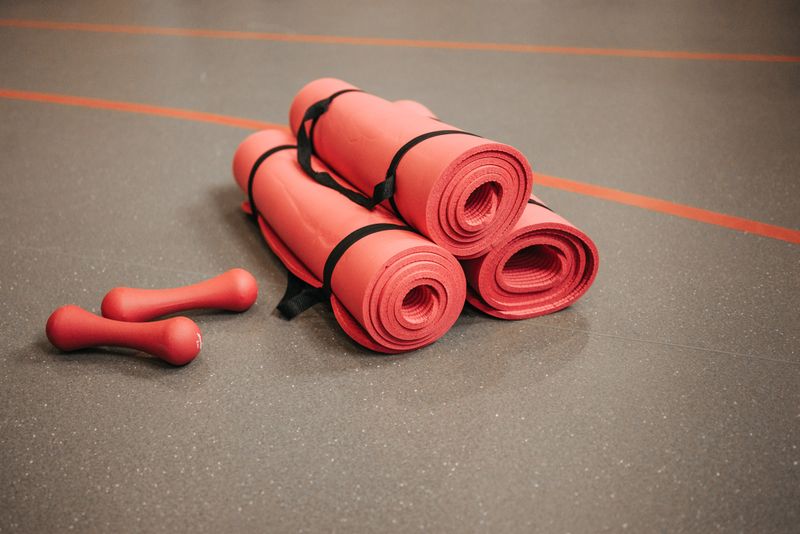
Buy in the order you will actually use things. Start with load you can adjust, a surface to press and row from, and a mat. Add a power tower, kettlebells, or a barbell once you know which lifts you keep coming back to. Equipment bought to match a real routine gets used. Equipment bought to match an aspiration gathers dust and resentment.
Ignoring the space and noise around you
Fit Simplify Resistance Bands Set
Five resistance levels in a kit that fits in a drawer, gentle on the joints and ideal to start with.
As an Amazon Associate we earn from qualifying purchases.
Dropping a loaded barbell on a second-floor apartment floor will end your home gym faster than any injury. Noise and floor protection get skipped because they feel optional, and then a downstairs neighbour or a cracked tile makes the whole setup a liability. Horse-stall mats or interlocking rubber tiles ($40–120 for a small area) absorb impact, protect the floor, and cut the boom that travels through a building.
Space planning matters just as much. You need clearance to extend your arms overhead and to step back into a lunge, not just the footprint of the equipment. Measure the area with your arms out before you buy anything tall. A folding bench and stackable weights let you reclaim the room when you are done, which keeps a shared space usable and keeps the peace at home.
Skipping the warm-up and progressing too fast
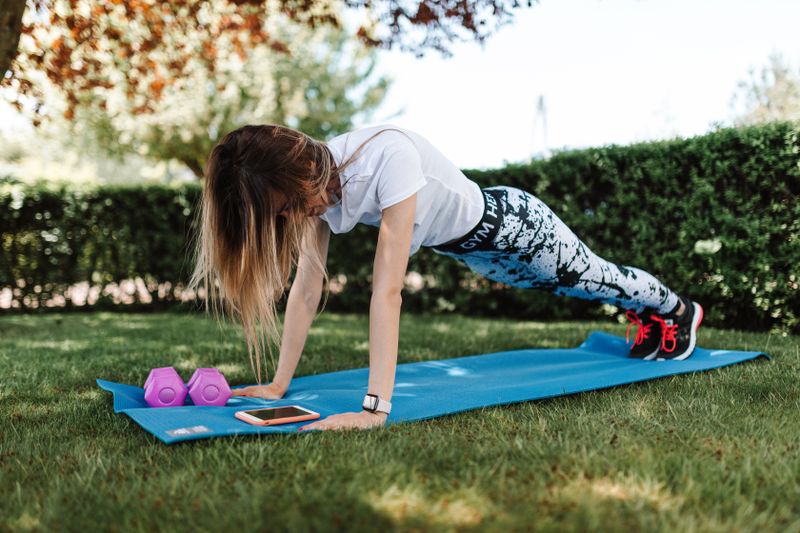
Cold joints under load is how beginners end up sidelined in week two. Five to ten minutes of easy movement, some band pull-aparts, and a couple of light warm-up sets prepare the shoulders, hips, and back for real work. Cutting this to save time is a poor trade when one tweaked shoulder costs you a month.
Adding weight too quickly is the other half of this mistake. The urge to load more every session feels like ambition, but tendons and connective tissue adapt slower than muscle. Add small increments, hold a weight for a couple of weeks once form feels solid, and treat any sharp pain as a stop signal rather than something to push through.
Chasing complexity instead of consistency
A beginner who programme-hops every two weeks rarely builds anything. The internet rewards novelty, so it is easy to abandon a simple plan for a more advanced-looking one before the first plan had time to work. Strength and muscle respond to repetition over months, not to variety for its own sake.
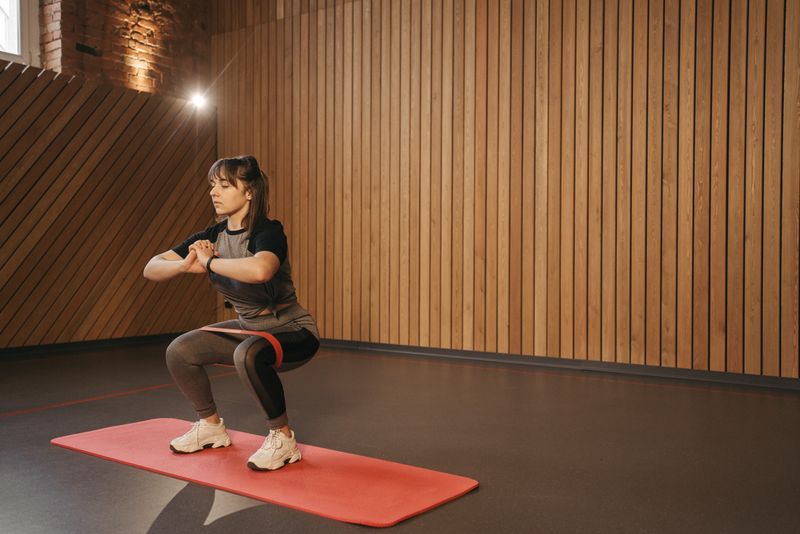
Pick a basic full-body routine built on a few compound movements, run it three times a week, and change it only when progress clearly stalls. Squats or split squats, a press, a row, a hinge, and a core movement cover the body. Doing those competently for twelve weeks beats sampling twelve programmes in the same period.
Setting up a space you avoid
A home gym tucked behind boxes in a cold, dark corner gets used about as often as the treadmill it is hiding next to. Friction kills home training. Every extra step between you and your first rep is a chance to talk yourself out of it. The fix is to remove that friction deliberately.
Keep the area lit, ventilated, and clear. Leave the equipment you use most in plain sight and ready to grab. Put a speaker or screen nearby if music or a video helps you start. A small fan and a clean mat do more for your consistency than another piece of gear, because they make the space somewhere you want to be rather than somewhere you have to force yourself into.
Neglecting the unglamorous basics
Form, sleep, and protein decide your results more than any gadget, and all three are easy to ignore because none of them are purchases. Learning a clean squat and hinge pattern from a coach or a careful video early on prevents the nagging injuries that derail beginners. Filming a set on your phone shows you what a mirror cannot, and it costs nothing.
Recovery is where the actual adaptation happens. Training breaks the muscle down; sleep and food build it back stronger. A beginner training hard on six hours of sleep and skipped meals will stall and blame the programme. Aim for enough protein to support the work and enough rest to feel ready for the next session, and the same routine starts delivering.
The mistakes ranked by what they cost you
| Mistake | What it costs | The fix |
|---|---|---|
| Buying too much, too soon | Hundreds in unused gear | Dumbbells + bench first, add later |
| No floor protection | Damaged floor, angry neighbours | Rubber tiles or stall mats |
| Skipping the warm-up | Tweaked joints, weeks lost | 5–10 min easy movement first |
| Progressing too fast | Overuse injury, burnout | Small increments, hold and repeat |
| Programme-hopping | No measurable progress | One plan, 12 weeks, then adjust |
| An unwelcoming space | Sessions skipped | Light, air, gear in plain sight |
| Ignoring sleep and protein | Stalled results | Rest and eat to support the work |
More avoidable beginner mistakes
Training only the muscles you can see in the mirror is a trap that catches almost every beginner. Chest, arms, and abs get all the attention while the back, glutes, and hamstrings get ignored, which builds a body that is both imbalanced and injury-prone. A simple rule fixes it: for every pushing exercise, do a pulling one, and never let leg day quietly disappear from the week. Balanced training looks less exciting in the moment and pays off for years.
Ego lifting is the close cousin of progressing too fast, and at home it is worse because nobody is there to call it out. Loading a weight you cannot control to feel strong wrecks your form and your joints. The reps that build muscle are the clean, controlled ones, not the heaved ones with momentum. Pick a weight you can move through a full range with good technique, and let the numbers climb steadily over the months.
Comparing your week-three setup to someone else's years of accumulated gear and training is the last common pitfall, and it is purely mental. The polished home gyms and physiques online represent endpoints, not starting lines, and measuring your beginning against someone's middle is a fast route to quitting. The only useful comparison is to your own log from a month ago. Beat that, and you are doing it right, whatever anyone else's garage looks like.
Frequently asked questions
How much should a beginner home gym cost? A capable starter setup runs $400 to $700: adjustable dumbbells, a bench, a mat, and floor protection. You can start for far less with just a set of resistance bands ($20–40) and bodyweight movements, then add load as you progress.
How often should a beginner train? Three full-body sessions a week is the standard recommendation, with rest days between. That frequency lets you train each muscle group often enough to progress while leaving plenty of recovery. Four days suits you once you have a few months behind you.
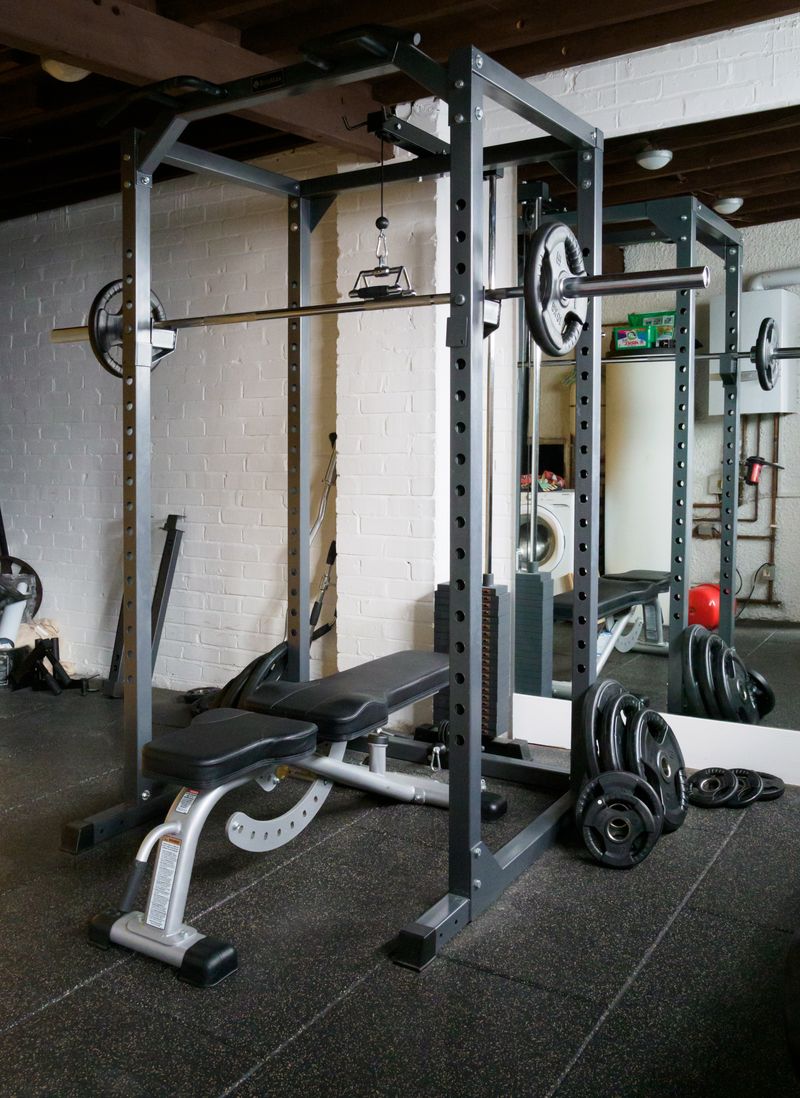
Do I need a barbell and rack to start? No. A pair of adjustable dumbbells covers nearly every movement a beginner needs, takes up almost no space, and needs no spotter. A barbell and rack become worthwhile later, once you know you are committed and you want to load heavier squats and deadlifts safely.
Fixing even half of these changes how a home gym feels to use. Most beginners get the equipment roughly right and get the habits and the space wrong, which is good news, because habits and space are free to fix. Sort the order of your purchases, protect your floor, warm up, stick with one plan, and make the corner somewhere you actually want to walk into. The setup you already own will start to feel like the one you imagined.
🛠️ Free tools for this topic
No sign-up. They do the calculating and checking for you.
Published by the Gym4Home editorial team. Published June 24, 2026. Updated October 4, 2026.
Editorial responsibility: see Imprint.
Spotted an error or have something to add? corrections@gym4home.com
Home Gym Tips, Weekly
Equipment picks, workout ideas, and setup guides — for every space and every budget. No fluff, just useful.
🎁 Free bonus: The Home Gym Starter Checklist (PDF)
You might also like
Soreness After a Workout: What Is Normal and What Isn't
How to tell normal post-workout muscle soreness (DOMS) from a real warning sign, plus what actually helps you recover.
How to Start a Home Gym From Scratch (Step-by-Step for Beginners)
A step-by-step beginner guide to building a home gym from scratch: space, the five items to buy first, noise fixes, a starter routine, and smart upgrades.
Foam Roller Guide: Types, Density and How to Use One
A practical foam roller guide covering density, length and texture, how to pick your first roller, and a step-by-step routine for the main muscle groups.
📖 All articles on Gym4Home →
Browse our other articles