Adjustable vs Fixed Dumbbells: Which Belongs in Your Home Gym?
This article may contain affiliate links. If you make a purchase through these links, we may earn a small commission at no extra cost to you. This helps us keep creating free content.
Hinweis: Dieser Artikel ersetzt keine ärztliche Beratung. Besprich Trainingsfragen im Zweifel mit Arzt oder Physiotherapie.
One pair of adjustable dumbbells replaces up to 15 pairs of fixed ones and fits on a single shelf, which is why they dominate small home gyms. Fixed dumbbells still win on durability, grab-and-go speed and silent dropping. The right choice depends on your space, your budget and how rough you are on equipment.
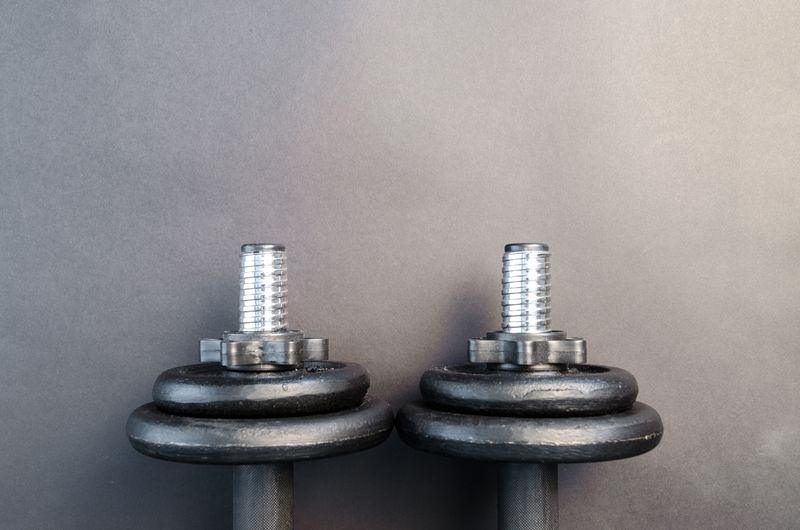
Adjustable dumbbells use a dial, pin or selector plate to change weight in seconds, usually from 5 lb up to 50 or 90 lb per hand. Fixed dumbbells are a single welded or cast weight you buy in pairs. Both move the same iron, but they fail and succeed in very different ways once you put them in a real room with a real budget.
This comparison lays out cost per pound, footprint, durability, noise and the joint-friendly details that matter if you are 50 or over. By the end you will know which type fits your corner, your garage bay or your spare room, and which specific models are worth the money in 2026.
The core trade-off: space and money versus toughness
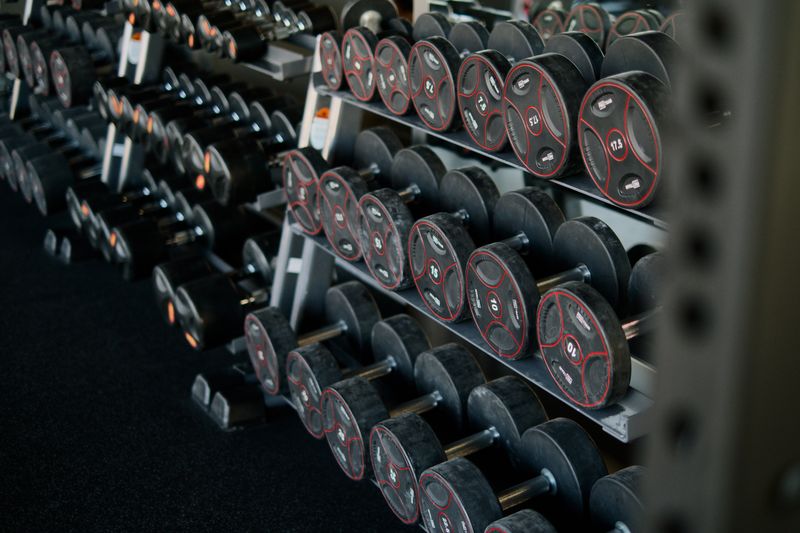
A set of adjustable dumbbells running 5 to 50 lb costs roughly $300 to 450 for the pair and occupies about two square feet. To match that range in fixed dumbbells you would buy ten pairs, spend $600 to 900 once you pass the lighter weights, and give up a full rack and several feet of floor. For an apartment or a shared garage, that gap decides most purchases on its own.
Fixed dumbbells earn their keep through brutal simplicity. There is no mechanism to jam, no plastic dial to crack, no selector pin to lose. You can drop a 40 lb hex dumbbell on a rubber mat for years and it will not care. Adjustable sets carry more moving parts, and moving parts are where things break, especially the budget ones.

Side-by-side comparison
PowerBlock Elite EXP Adjustable Dumbbells
One pair replaces a whole rack and stores in the space of a shoebox.
As an Amazon Associate we earn from qualifying purchases.
The table below covers the points that actually change a buying decision. Prices are approximate US retail in 2026 and shift with sales and steel costs.
| Factor | Adjustable dumbbells | Fixed dumbbells |
|---|---|---|
| Price (usable range) | $300 to 450 (5 to 50 lb pair) | $600 to 900 to cover same range |
| Footprint | ~2 sq ft, one stand | 6 to 10 ft of rack |
| Weight change speed | 3 to 10 seconds per change | Instant, grab the next pair |
| Durability | Moving parts can fail; avoid drops | Near-indestructible |
| Noise | Plates can rattle slightly | Silent unless dropped |
| Max weight | 50 to 90 lb per hand (model dependent) | Buy as heavy as you want |
| Best for | Apartments, small rooms, varied workouts | Garages, heavy lifters, durability |
Speed and flow during a workout
Fixed dumbbells beat adjustables on pure speed, and the difference shows up most in drop sets and supersets. When you finish a set at 30 lb and want 20 lb immediately, reaching for the next pair takes under a second. A dial adjustable takes three to ten seconds, and a plate-loaded one takes longer if you have to swap individual plates.
For straight sets with a rest between them, that gap disappears. You are resting 60 to 90 seconds anyway, so a five-second dial change costs you nothing. The flow problem only bites if your training leans on rapid weight changes. Most home strength routines do not, so for the average reader this lands in the adjustable column.
Durability and the danger of dropping
Dropping is the line that separates the two types more than any spec sheet. Fixed dumbbells shrug off drops. Most adjustable dumbbells do not, because the dial mechanism, the plate-locking teeth or the selector housing can shatter or jam on impact. A single hard drop can turn a $400 adjustable pair into scrap.
If you train near failure, especially on heavy presses where a tired arm sometimes lets go, this matters. Budget adjustables under $250 are the worst offenders, with plastic housings and thin selector pins. Mid-range and premium models hold up far better, but the rule stands: adjustables need a controlled set-down, not a drop.
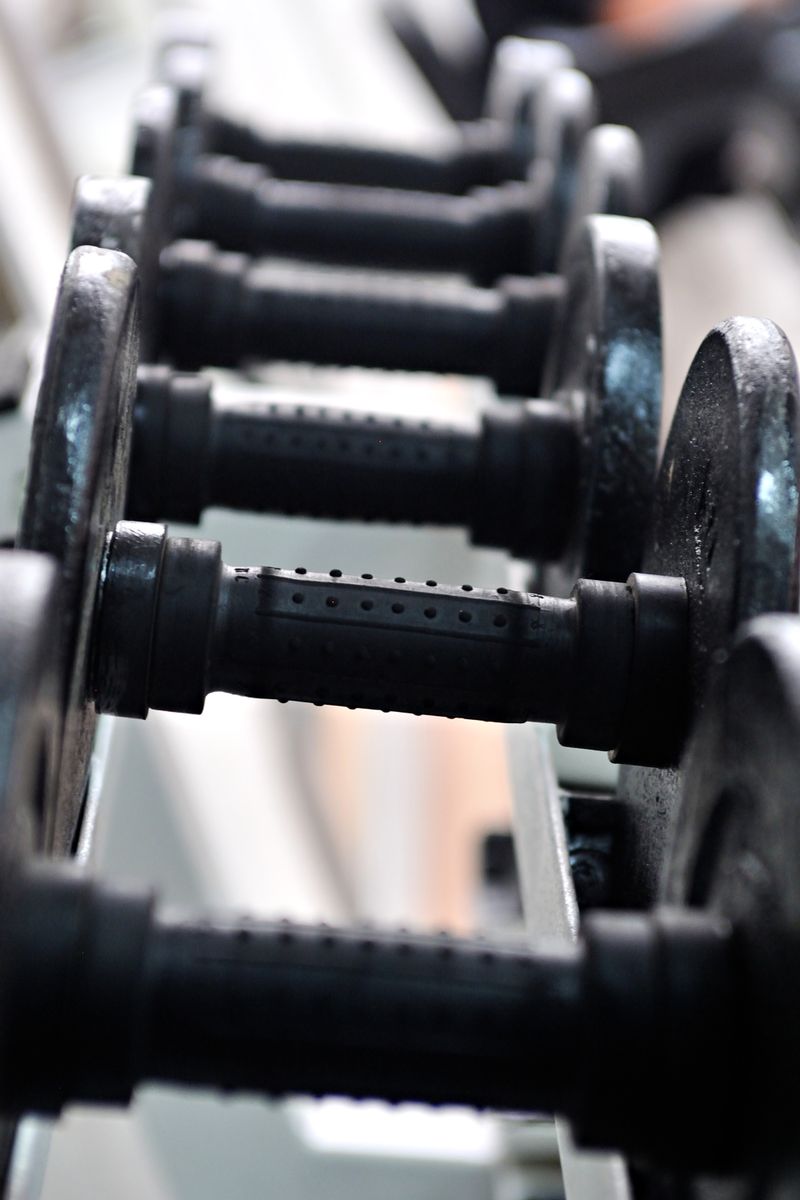
Fixed dumbbells, particularly rubber-coated hex heads, take this worry off the table entirely. For a garage lifter who trains hard and occasionally bails on a rep, fixed iron is the safer long-term spend even though it costs more upfront.
Joint considerations for lifters over 50
Two details matter for older joints, and adjustables and fixed dumbbells differ on both. Weight increments are the first. Many fixed sets jump in 5 lb steps, which can be a large leap for an aging shoulder or wrist. Some adjustable models offer 2.5 lb micro-increments at the low end, letting you progress in smaller, safer steps.
Handle thickness is the second. Thicker, knurled handles grind on arthritic hands, while a smooth or slightly padded handle is kinder. Fixed dumbbells give you a fixed handle you cannot change, so try before you buy. Adjustables vary widely, and the selector models often have more comfortable contoured grips than cheap fixed hex sets.
Recommended models and rough prices
For most apartment and small-room readers, a quality adjustable selector set is the best single purchase. Concrete examples below carry approximate 2026 US retail prices that move with sales.
- Bowflex SelectTech 552 (adjustable, 5 to 52.5 lb per hand): about $400 to 430 for the pair. Dial adjusts in 2.5 lb steps at the low end. The benchmark for small-space versatility, though the plastic plate trays dislike drops.
- NÜOBELL or PowerBlock adjustable (5 to 50 lb): roughly $350 to 550 depending on model. PowerBlock's cage design is compact and tough; NÜOBELL feels closest to a real dumbbell in the hand.
- Rubber hex fixed dumbbells: about $1.50 to 2.50 per pound. Buy the three or four pairs you actually use (a common starter spread is 15, 25 and 35 lb) rather than a full rack. Silent, drop-proof, lasts decades.
- Cast-iron adjustable with spinlock collars: $80 to 150. The cheapest path to a wide range, but slow to change and the collars loosen. Fine for a tight budget, frustrating for frequent weight swaps.
Mechanism types: dial, selector and plate
Not all adjustable dumbbells work the same way, and the mechanism decides how they feel and how long they last. Dial-and-tray models, like the Bowflex SelectTech, sit in a cradle and you twist a dial to pick up only the plates you want. They change fast and feel smooth, but the plates ride in plastic trays that crack if dropped, and the dumbbell is long even at low weights.
Selector or block models, like PowerBlock, use a stack of nested steel shells and a pin or selector to lock the load. They are shorter front to back, tougher, and handle heavier loads well, though the open-handle shape takes a session or two to get used to. Spinlock and plate-loaded handles are the third type: a bare handle with collars and loose plates. They cost the least and survive anything, but changing weight means unscrewing collars and stacking plates by hand, which is slow.
Matching the choice to your budget
Your budget narrows the field faster than any other factor. Under $150, spinlock adjustable handles or a couple of fixed pairs are the realistic options. You give up speed and range, but you start lifting without overspending. This tier suits anyone testing whether home training will stick before committing more money.
Between $300 and 550 sits the sweet spot for most home gyms: a quality dial or selector adjustable set covering 5 to 50 lb per hand. This is where the space and value advantages of adjustables pay off best, and where the build quality is good enough to last years with reasonable care. Most readers in an apartment or spare room should aim here.
Above $600 you are usually buying fixed dumbbells in bulk, a heavier-duty premium adjustable set reaching 80 to 90 lb, or a fixed rack for a dedicated garage. Spend here only if you train heavy, train often, or specifically need the durability and instant changes of a full fixed set. For everyone else, the extra money buys capacity you will not use.
Flooring, storage and noise control
Protect both your floor and your dumbbells with rubber matting. A 1/2-inch rubber gym mat or a few interlocking tiles, costing $30 to 80, cushions accidental set-downs, deadens noise for anyone living below you, and stops the dumbbells marking the floor. For adjustables especially, a mat is the difference between a controlled bump and a cracked mechanism when a tired rep ends sooner than planned.
Storage shapes the choice more than people expect in a small home. Adjustable sets come with a compact stand or cradle that keeps the pair at a sensible lifting height and off the floor, which matters when bending to the ground is uncomfortable. Fixed dumbbells need a proper rack to stay organised, and a loose pile of hex weights on the floor is both a trip hazard and a back strain every time you pick one up.
Common buying mistakes to avoid
Buying too heavy is the most frequent error. A new lifter rarely needs 90 lb per hand, and paying for a premium high-capacity set means spending on weight that sits unused for years. Start with a 5 to 50 lb set, which covers the great majority of home pressing, rowing and curling, and upgrade only if you outgrow it.
The opposite mistake is buying the cheapest adjustable to save money, then replacing it within a year when the plastic fails. A $200 budget adjustable that cracks is more expensive than a $400 set that lasts a decade. If adjustables are your pick, spend enough to clear the bargain-bin tier where the mechanisms are weakest.
Ignoring the handle and length is the third trap. Two dumbbells of the same weight can feel completely different depending on grip thickness and how far the ends stick out. For older hands and shoulders, those details decide comfort. Hold the dumbbells if you can, and read reviews specifically about handle feel and length before committing.
The verdict for a home setup
For a small space and a single budget, adjustable dumbbells are the better buy. They cover the whole useful range in two square feet for $300 to 450, fit any apartment, and the micro-increments suit older joints. The one firm condition: set them down under control and never drop them. If you can respect that, an adjustable pair will out-value a full fixed rack for years.
Choose fixed dumbbells in two cases. The first is a dedicated garage where you train heavy, sometimes to failure, and need iron that survives drops. The second is when you only want two or three specific weights and value silent, instant changes over range. Outside those two cases, the adjustable set is the smarter home-gym purchase.
Frequently asked questions
Are adjustable dumbbells worth it for a beginner? Yes. A beginner's strength climbs through many weights in the first year, and adjustables cover that whole climb in one purchase without buying new pairs every month.
Do adjustable dumbbells feel awkward compared to fixed ones? The dial-and-tray models feel longer and slightly top-heavy at low weights. Selector cage models like PowerBlock and dumbbell-shaped ones like NÜOBELL feel much closer to fixed iron. Try the shape before committing if you can.
How heavy do I actually need to go? Most home lifters who are not chasing powerlifting numbers stay under 50 lb per hand for years, especially for the pressing, rowing and curling that dumbbells do best. A 5 to 50 lb adjustable set covers the great majority of home training.
Can I drop adjustable dumbbells if I have rubber flooring? Rubber flooring protects the floor, not the dumbbell. The mechanism inside still takes the shock. Lower them under control regardless of what is under them.
Which lasts longer, adjustable or fixed? Fixed dumbbells last effectively forever. Quality adjustables last many years with careful handling; cheap ones with plastic parts can fail within a year or two of hard use.
🛠️ Free tools for this topic
No sign-up. They do the calculating and checking for you.
Published by the Gym4Home editorial team. Published June 25, 2026. Updated October 4, 2026.
Editorial responsibility: see Imprint.
Spotted an error or have something to add? corrections@gym4home.com
Home Gym Tips, Weekly
Equipment picks, workout ideas, and setup guides — for every space and every budget. No fluff, just useful.
🎁 Free bonus: The Home Gym Starter Checklist (PDF)
You might also like
Best Adjustable Dumbbells for Older Adults: A Practical Buying Guide
A practical guide to choosing adjustable dumbbells for older adults, comparing dial and pin systems, weight ranges and grip-friendly features with US prices.
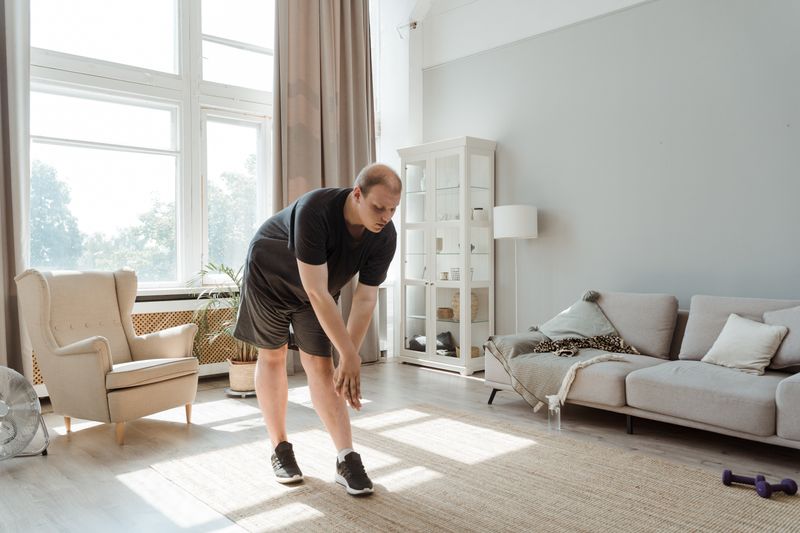
Adjustable Dumbbells for Small Spaces: What to Buy
How to choose adjustable dumbbells for an apartment or small room: the three mechanisms compared, concrete models with US prices, and floor and noise tips.
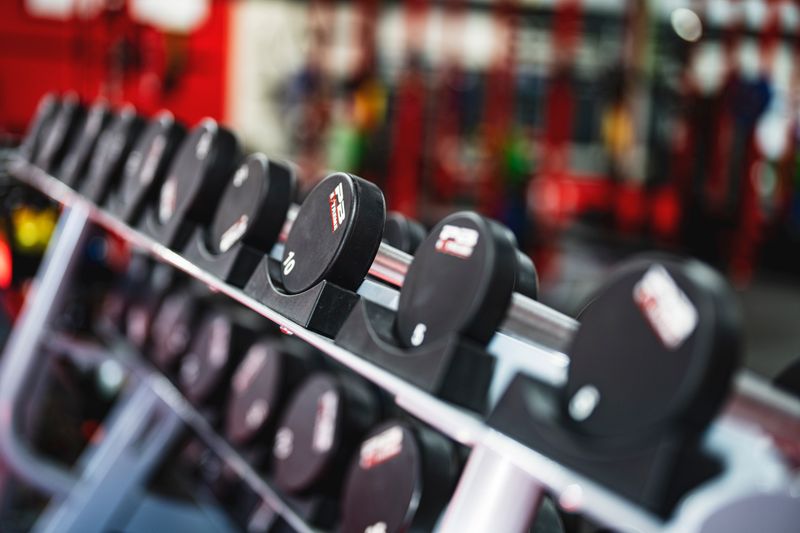
Pull-Up Bar: Doorframe vs Wall-Mounted Compared
A side-by-side comparison of doorframe and wall-mounted pull-up bars on price, install steps, weight limits, door width, and home damage, with a clear recommendation and US prices.
📖 All articles on Gym4Home →
Browse our other articles