A 30-Minute Dumbbell Workout for Seniors (Full-Body, Joint-Friendly)
This article may contain affiliate links. If you make a purchase through these links, we may earn a small commission at no extra cost to you. This helps us keep creating free content.
Health note: This article is for general information only and is not a substitute for medical advice. Talk to your doctor before starting a new exercise programme, especially if you have an existing health condition or injury.
A single pair of adjustable dumbbells covers every exercise in a complete full-body workout, and the whole session below fits in 30 minutes. Strength training twice a week is one of the most effective things adults over 60 can do to hold onto muscle, balance, and independence, and dumbbells are the simplest way to start at home. This routine uses seven exercises arranged so you work your whole body without long rest periods or complicated equipment.
Muscle loss after 50 is gradual but real, and resistance training is the proven counter to it. Lifting a moderate weight for 8 to 12 controlled repetitions signals the body to keep and rebuild muscle that everyday walking alone does not maintain. The aim here is not heavy lifting; it is steady, controlled effort with a weight you can manage with good form. Many people find their balance and ease with stairs improve within a few weeks of consistent training.
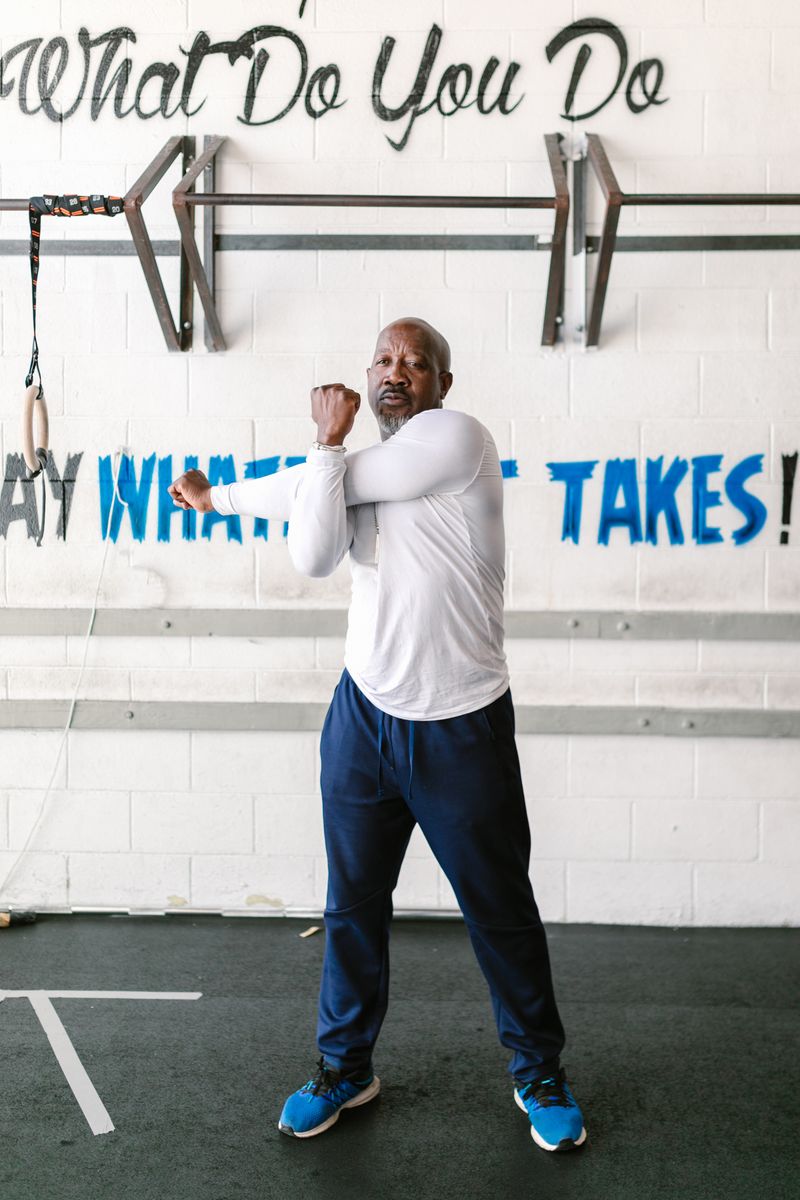
You need two things: a pair of dumbbells light enough to control and a sturdy chair. Adjustable dumbbells that span 5 to 25 pounds per hand suit most beginners and cost $100 to $300 a pair. A fixed pair of 8- and 12-pound dumbbells works fine too if you prefer simplicity. Have water nearby and clear a space about the size of a yoga mat.
How to use this workout
Do this routine two or three times a week with at least one rest day between sessions. Muscles rebuild on the rest days, not during the workout, so spacing matters more than people expect. Two quality sessions a week beat five rushed ones.
Pick a weight that lets you finish the last two reps of each set with effort but not strain. If the final rep is easy, the weight is too light to build strength; if your form breaks down before you reach the target reps, it is too heavy. You should be able to breathe and hold a short conversation throughout. Never hold your breath during a lift, which spikes blood pressure; exhale as you push or lift, inhale as you lower.
The 30-minute full-body routine
PowerBlock Elite EXP Adjustable Dumbbells
One pair replaces a whole rack and stores in the space of a shoebox.
As an Amazon Associate we earn from qualifying purchases.
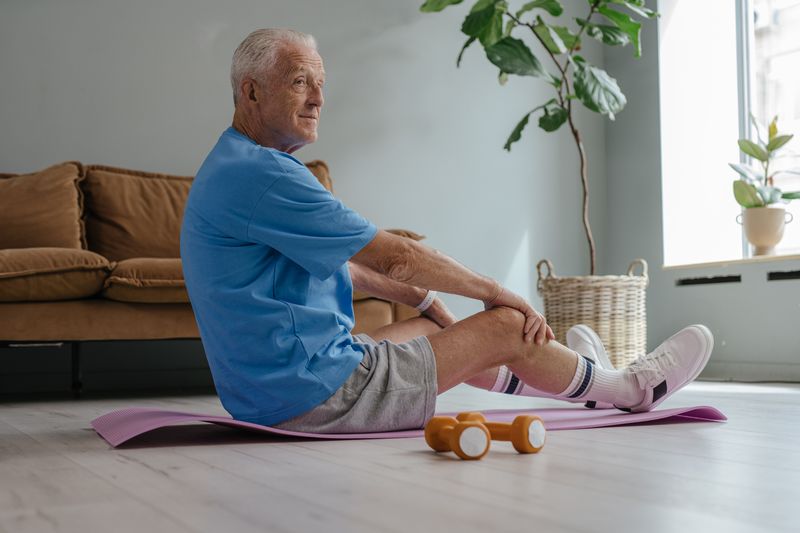
Move through the seven exercises in order. Rest 45 to 60 seconds between sets, and a little longer if you need it. With a five-minute warm-up and a short cool-down, the whole session lands right around 30 minutes. The table gives you sets, reps, and the muscles each move targets.
| # | Exercise | Sets x Reps | Main muscles |
|---|---|---|---|
| 1 | Sit-to-stand squat (dumbbells optional) | 2 x 10 | Thighs, glutes |
| 2 | Dumbbell floor or bench press | 2 x 10 | Chest, triceps |
| 3 | Bent-over row (chair-supported) | 2 x 10 each side | Upper back |
| 4 | Seated shoulder press | 2 x 10 | Shoulders |
| 5 | Standing biceps curl | 2 x 12 | Biceps |
| 6 | Standing calf raise (hold dumbbells) | 2 x 15 | Calves, ankles |
| 7 | Standing wood-chop (light weight) | 2 x 10 each side | Core, obliques |
Begin with five minutes of easy movement to warm the joints: march in place, roll your shoulders, and do a few slow bodyweight squats holding the chair. Warm muscles and joints move more freely and tolerate load better than cold ones. Skip this and the first exercise becomes the warm-up, which is harder on the body.
Exercise-by-exercise: how to do each move
Form keeps you safe and makes each rep count. Read through these once before your first session so the movements feel familiar. Slow and controlled always beats fast and sloppy.
- Sit-to-stand squat: Sit on the front edge of a sturdy chair, feet flat and shoulder-width apart. Stand up fully by pushing through your heels, then lower back down with control. Hold a dumbbell in each hand at your sides once bodyweight feels easy. This is the single most useful move for staying independent.
- Dumbbell press: Lie on a bench or the floor with a dumbbell in each hand at chest level, elbows bent. Press both weights up until your arms are nearly straight, then lower slowly. The floor naturally limits how far your elbows drop, which protects the shoulders.
- Bent-over row: Place one hand and knee on a chair seat, the other foot on the floor. Let the dumbbell hang from your free hand, then pull it up toward your hip, squeezing the shoulder blade. Lower slowly and repeat, then switch sides. This builds the back muscles that fight a hunched posture.
- Seated shoulder press: Sit tall in the chair with a dumbbell in each hand at shoulder height. Press both up overhead until your arms straighten, then lower with control. Sitting supports your lower back and removes the temptation to arch.
- Biceps curl: Stand with a dumbbell in each hand, palms facing forward. Curl both weights toward your shoulders without swinging your elbows, then lower slowly. Keep your elbows tucked at your sides the whole time.
- Calf raise: Stand behind the chair holding the backrest with one hand and a dumbbell in the other. Rise onto the balls of your feet, pause at the top, then lower your heels slowly. Strong calves and ankles are central to balance and to catching yourself if you stumble.
- Wood-chop: Hold one light dumbbell in both hands. Starting low by one hip, lift it diagonally across your body to the opposite shoulder, then lower it back down with control. Switch directions after your reps. This trains the core that stabilizes you when you twist and reach.
Progressing safely over time
Add resistance only when the current weight feels controlled for all reps and sets across two consecutive sessions. The jump should be small: 2 to 5 pounds per hand, which is why adjustable dumbbells in small increments are worth the money. Many people find a slow climb keeps them progressing for months without aches.
When adding weight feels too soon, add reps instead. Going from 10 reps to 12, then 15, builds strength and endurance with the same dumbbells. Another gentle progression is slowing the lowering phase to a count of three, which increases the work without touching the weight. Use whichever progression your joints tolerate best.
Consistency outperforms intensity at every age, and especially after 60. Two steady sessions a week for a year builds far more lasting strength than an ambitious program you abandon in a month. Mark your sessions on a calendar and treat the streak as the goal; the strength follows on its own.
Frequently asked questions
What dumbbell weight should a senior start with?
Most beginners over 60 start with 5 to 8 pounds per hand for upper-body moves and can handle a bit more for legs. The right weight is one you can lift for 10 controlled reps with the last two feeling like real effort. Adjustable dumbbells covering 5 to 25 pounds let you find that sweet spot for each exercise and grow into heavier loads later.
How many days a week should older adults lift weights?
Two to three days a week, with a rest day between sessions, suits most older adults and matches general physical-activity guidance for strength work. Two sessions is plenty to maintain and build muscle when each one is done with effort and good form. More is not better if it leaves you too sore to keep the habit.
Is it safe to start strength training in your 70s?
Many people begin strength training in their 70s and 80s and see meaningful gains in muscle and balance, which research consistently supports. Starting light, progressing slowly, and clearing the plan with your doctor first are the keys. Age is far less of a barrier than people assume; it is the lack of training, not the years, that erodes strength.
Can I do this workout if I have knee or shoulder problems?
Often yes, with small adjustments, though your doctor or physiotherapist should confirm what is right for you. For sensitive knees, reduce how far you lower in the sit-to-stand and use a higher chair so the range is shorter. For shoulder issues, keep presses below the point of pain and favour the floor press, which limits how far the elbows drop. Lighter weight and a smaller range let most people train around a cranky joint rather than skipping the movement entirely. Stop and seek advice if any movement causes sharp joint pain.
🛠️ Free tools for this topic
No sign-up. They do the calculating and checking for you.
Published by the Gym4Home editorial team. Published July 23, 2026. Updated October 4, 2026.
Editorial responsibility: see Imprint.
Spotted an error or have something to add? corrections@gym4home.com
Home Gym Tips, Weekly
Equipment picks, workout ideas, and setup guides — for every space and every budget. No fluff, just useful.
🎁 Free bonus: The Home Gym Starter Checklist (PDF)
You might also like
Best Adjustable Dumbbells for Older Adults: A Practical Buying Guide
A practical guide to choosing adjustable dumbbells for older adults, comparing dial and pin systems, weight ranges and grip-friendly features with US prices.
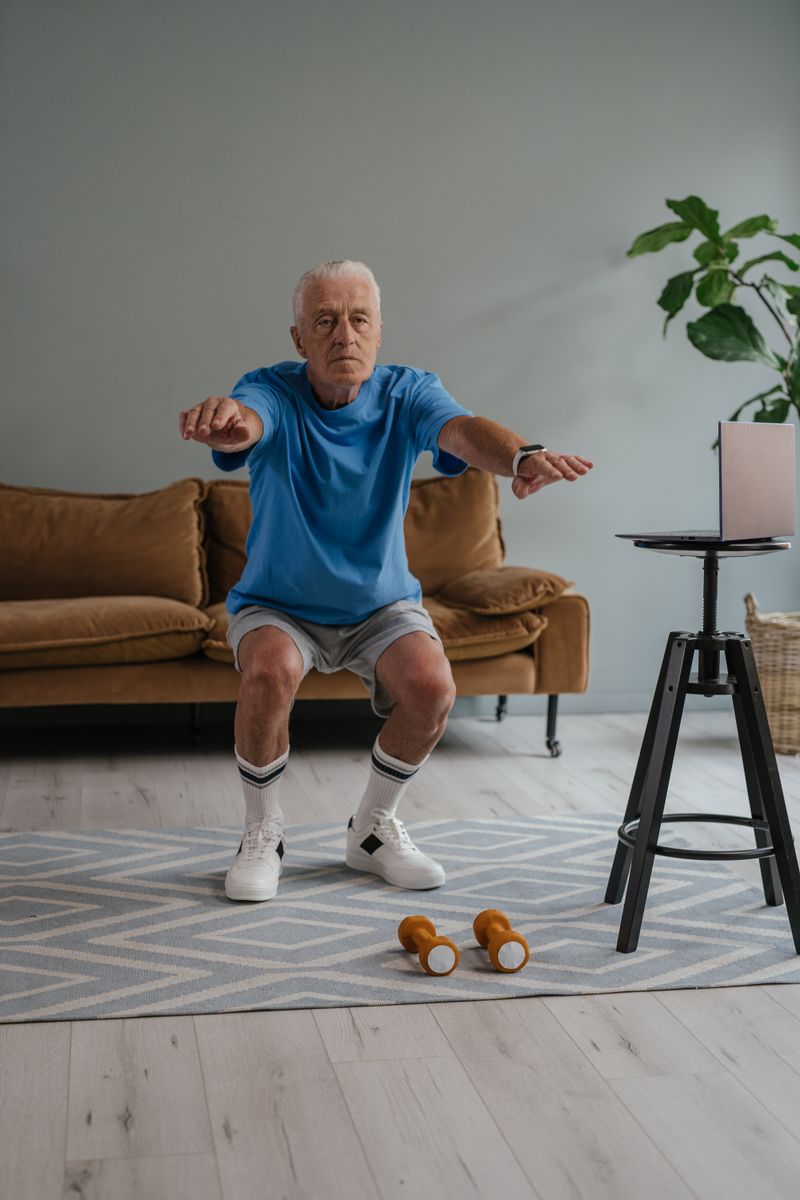
Chair Exercises for Seniors: A Full Seated Strength Workout at Home
A full seated strength workout for older adults using one sturdy chair. Seven exercises with sets and reps, a warm-up, a cool-down and progression tips.
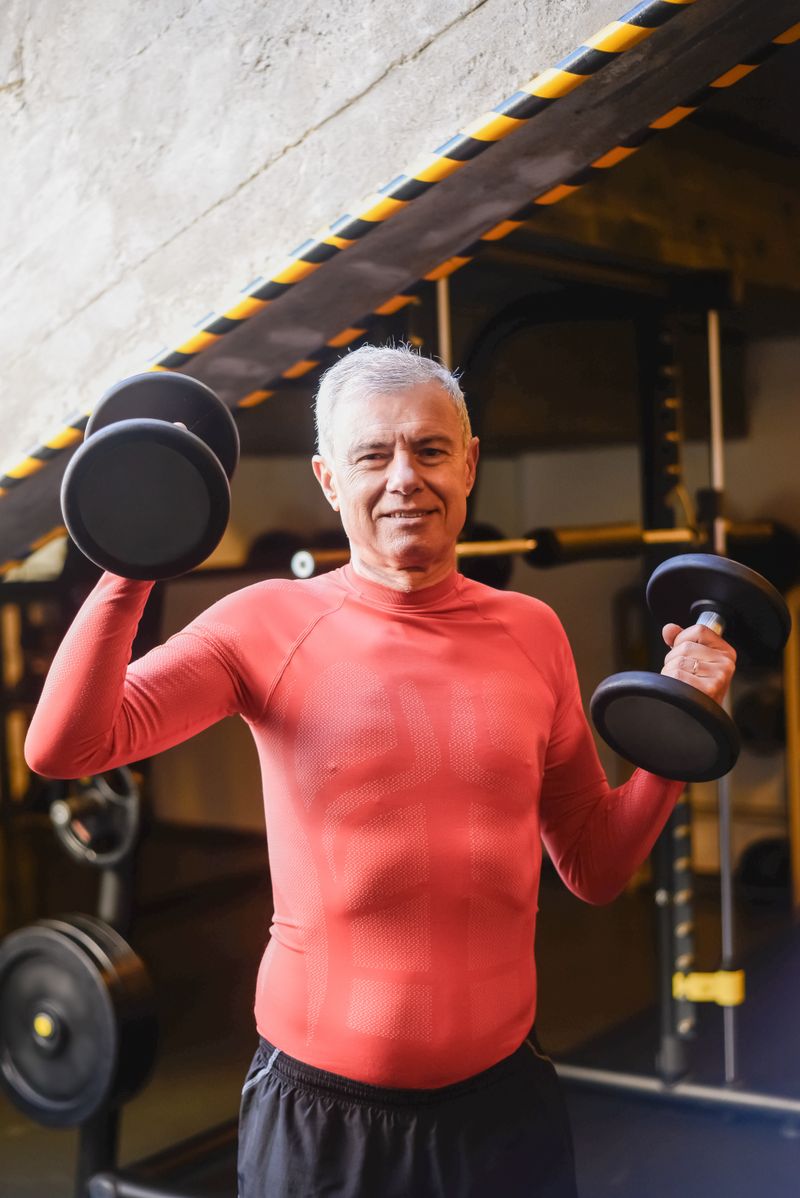
Seated Resistance Band Workout for Seniors: 8 Exercises You Can Do in a Chair
A safe, joint-friendly seated resistance band routine for older adults: eight chair exercises with sets, reps and clear setup instructions.
📖 All articles on Gym4Home →
Browse our other articles