Pull-Up Bar: Doorframe vs Wall-Mounted Compared
This article may contain affiliate links. If you make a purchase through these links, we may earn a small commission at no extra cost to you. This helps us keep creating free content.
A doorframe pull-up bar costs about $25 to $40 and installs in two minutes with no drilling, while a wall-mounted bar costs $40 to $120, needs anchors into studs, and holds two to three times the weight. That single trade, convenience versus capacity, decides which one belongs in your home, and the right pick depends on your bodyweight, your training style, and your freedom to put holes in the wall.
Both train the same muscles: back, biceps, forearms, and grip. The difference is in how they mount, how much they carry, and what they do to your home. Below is a side-by-side breakdown before the recommendation.
Doorframe vs wall-mounted at a glance
The table compares the two on the factors that actually matter when you are choosing: price, install effort, weight rating, damage risk, stability under load, and whether you can move it later.
| Factor | Doorframe bar | Wall-mounted bar |
|---|---|---|
| Approx. US price | $25–40 | $40–120 |
| Install | 2 minutes, no tools | 30–60 min, drill into studs |
| Typical weight limit | 220–300 lb | 500–800 lb |
| Damage to home | Can dent or scuff doorframe | Permanent holes in wall |
| Stability under load | Moderate, can shift | Very high, fixed |
| Portability | Removes in seconds | Permanent once mounted |
| Grip variety | Limited, frame-width | Wide, neutral, angled options |
The pattern is clear. A doorframe bar wins on cost, speed, and reversibility. A wall-mounted bar wins on capacity, stability, and grip options. Neither is better in the abstract; each suits a different reader.
How each one mounts
Iron Gym Doorway Pull-Up Bar
Fits most door frames with no screws, for pull-ups and hanging.
As an Amazon Associate we earn from qualifying purchases.
A doorframe bar works as a lever. The bar hooks over the top of the door trim and a padded back-plate presses against the wall above the frame. Your bodyweight pulls down on the bar, which pushes the back-plate harder into the wall, and that opposing force is what holds it in place. Nothing is screwed in, so it lifts off the moment you stop hanging on it.
A wall-mounted bar bolts to the structure. You locate the wooden studs behind the drywall, drill pilot holes, and screw heavy brackets into the studs themselves, never into drywall alone. Because it is fastened to the building, it does not rely on opposing force and will not shift under a hard pull-up or a dynamic kipping movement.
That mounting difference also changes the doorways you can use. A doorframe bar only works on a frame wide enough for the bar and trim sturdy enough to take the load, so unusually wide or trimless openings rule it out. A wall bar has no such limit: you mount it wherever you find studs, including a stretch of blank wall in a garage or spare room, which is often a better pull-up spot than a cramped doorway anyway.
Installing a doorframe bar step by step
A doorframe bar goes up in under five minutes, but skipping the checks is how people end up on the floor. Work through it in order the first time, then it becomes a ten-second job.
- Measure your door opening. Most adjustable bars fit frames from about 24 to 36 inches wide. Measure the inside trim width before you buy, because a bar that is too long simply will not seat.
- Check the trim. Press hard on the wood above the door. Solid hardwood trim is fine; hollow or thin MDF flexes and can crack under load. If it gives, choose a wall bar instead.
- Extend the bar to your door width and lock the telescoping section if your model has one.
- Hook the bar over the top of the trim and let the back-plate rest flat against the wall above the frame.
- Tug-test it. Hang your full bodyweight on it slowly with your feet still able to reach the floor, then add a gentle bounce. If it holds without shifting, it is ready.
Installing a wall-mounted bar step by step
A wall bar is a 30-to-60-minute job and the entire safety of it rides on hitting solid framing. Drywall anchors will not hold an adult, no matter what the packaging claims.
- Find the studs with a stud finder, then confirm each one with a small pilot hole. Standard studs sit 16 inches apart, so most bars are designed to span two of them.
- Mark the bracket holes at the height you want. Allow enough clearance below the bar for a full hang with bent knees, usually a bar height of around 7 feet for an average adult.
- Drill pilot holes into the center of each stud. Use the screws supplied, or lag bolts if the bar is rated for heavier loads.
- Bolt the brackets tight, then hang the bar and check it sits level.
- Load-test it gradually: a static hang first, then slow pull-ups, then your full normal set. Re-tighten the bolts after the first week, because timber settles around new screws.

Weight limits and door width to check first
Weight rating is the number that should drive the decision before price does. A doorframe bar rated 220 to 300 pounds covers most adults doing strict pull-ups at bodyweight, but the rating is a static figure. Add the snap-load of a kipping pull-up or a 45-pound weight belt and you can exceed it fast, which is where the 500-to-800-pound margin of a wall bar earns its cost.
Door width is the other hard limit, and it stops people more often than weight does. Standard interior doorframes run 24 to 36 inches wide, which most adjustable bars cover. Wide openings, double doors, archways, and trimless modern frames simply have nothing for a doorframe bar to grip, so those rooms need a wall mount. Measure before you buy either type, because returning the wrong bar is the most common avoidable hassle here.
Which should you buy
For most people starting out, the doorframe bar is the smarter buy. It is cheap, reversible, and fully capable of building real upper-body strength at normal bodyweight. Renters and small-space trainers should default to it unless they have a specific reason not to.
Choose the wall-mounted bar if you weigh over about 250 pounds, do kipping or weighted pull-ups, want multiple grip angles, or are committing to a permanent setup in a space you own. The extra cost and the holes in the wall buy you stability and capacity that a doorframe bar cannot match. There is also a middle path worth knowing about: a free-standing pull-up tower needs no mounting at all, holds 300 pounds or more, and moves when you do, but it claims a permanent 4-by-4-foot patch of floor and costs $100 to $200, which puts it out of reach for the small spaces this site is built around.
| If you are... | Pick |
|---|---|
| A renter or first-timer | Doorframe bar |
| Under ~250 lb, strict pull-ups | Doorframe bar |
| On a wide or trimless doorway | Wall-mounted bar |
| Over ~250 lb or weighted work | Wall-mounted bar |
| Doing kipping / muscle-ups | Wall-mounted bar |
| Building a permanent gym you own | Wall-mounted bar |
Frequently asked questions
Will a doorframe bar damage my door? It can scuff or dent soft trim under repeated load. Solid-wood frames hold up well; add padding to protect the paint. Avoid it on hollow MDF trim, which can crack.
How much weight can a doorframe bar hold? Most are rated 220 to 300 pounds, covering your bodyweight with margin for normal pull-ups. They are not meant for heavy weighted reps.
Can I put a wall-mounted bar in any wall? Only where you can hit wood or steel studs. Drywall anchors alone will not hold a person. Brick and concrete need masonry bolts and a hammer drill.
Which is better for kipping pull-ups? The wall-mounted bar. The fixed mount handles the swinging, dynamic load that would rock a doorframe bar loose.
What if my doorway is too wide for a doorframe bar? Switch to a wall mount or a free-standing tower. A doorframe bar cannot grip an opening wider than about 36 inches, and forcing one in is unsafe.
Do I need to remove a doorframe bar between sessions? No. It can stay hooked in place safely, though lifting it off keeps the doorway clear and prevents long-term marking of the trim.
If you want one line to act on: rent or unsure, buy the doorframe bar for $30 and start today; own your home and lift heavy, drill in a wall bar and never think about it again.
🛠️ Free tools for this topic
No sign-up. They do the calculating and checking for you.
Published by the Gym4Home editorial team. Published July 6, 2026. Updated October 4, 2026.
Editorial responsibility: see Imprint.
Spotted an error or have something to add? corrections@gym4home.com
Home Gym Tips, Weekly
Equipment picks, workout ideas, and setup guides — for every space and every budget. No fluff, just useful.
🎁 Free bonus: The Home Gym Starter Checklist (PDF)
You might also like

Doorframe Pull-Up Bars for Apartments: What Actually Works
Leverage-mount doorframe pull-up bars hold your bodyweight without screws. How to check your frame, pick the right type, and mount it without damaging the trim.
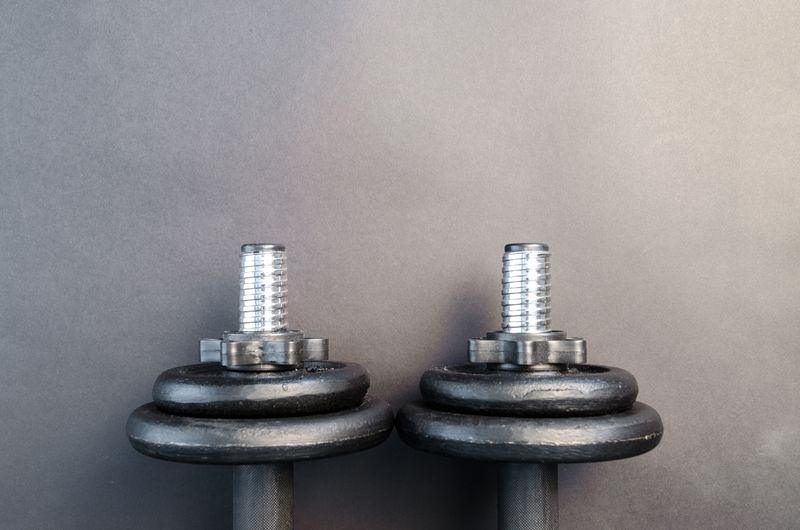
Adjustable vs Fixed Dumbbells: Which Belongs in Your Home Gym?
A full comparison of adjustable and fixed dumbbells for home gyms, covering cost per pound, footprint, durability and joint-friendly details, with concrete model picks.
Multifunctional Equipment for a Small Home Gym
The best multifunctional gym equipment for small spaces, ranked by footprint and movements covered, with a complete corner-gym build under $500.
📖 All articles on Gym4Home →
Browse our other articles