Is a Barbell Set Worth It for a Home Gym?
This article may contain affiliate links. If you make a purchase through these links, we may earn a small commission at no extra cost to you. This helps us keep creating free content.

Hinweis: Dieser Artikel ersetzt keine ärztliche Beratung. Besprich Trainingsfragen im Zweifel mit Arzt oder Physiotherapie.
A barbell and 300 pounds of plates costs $400 to $800, takes up a square metre of floor permanently, and needs a rack and a hard floor to use safely. For someone with the space and a strength goal, it is the best money you can spend on a home gym. For an apartment dweller doing general fitness, it can be a heavy, expensive mistake. The decision comes down to four things: your goal, your floor, your ceiling height, and your neighbours.
This walks through who a barbell actually serves, what a usable set costs once you include the parts people forget, and the lighter alternatives that cover most of the same ground in a fraction of the footprint.
What a barbell does that nothing else matches
A barbell lets you load a movement heavily and add weight in tiny increments, which is the core driver of strength gains. Squats, deadlifts, bench press, and overhead press all let you handle far more load than dumbbells, because both arms share one stable bar instead of fighting to balance two separate weights.
That progressive overload is hard to replicate. Dumbbells usually jump in 5-pound steps per hand, while a barbell can go up 2.5 pounds total with small plates, so you keep progressing long after dumbbells stall. If your goal is to get measurably stronger over years rather than months, the barbell is the tool built for it.
The real cost, including the parts people forget
Fit Simplify Resistance Bands Set
Five resistance levels in a kit that fits in a drawer, gentle on the joints and ideal to start with.
As an Amazon Associate we earn from qualifying purchases.
The bar and plates are only part of the bill. To train safely with meaningful weight you need a rack with safety arms, and to protect your floor and the plates you need rubber matting. Skipping either is how people crack tiles, drop bars on themselves, or get complaints over noise.
| Item | Why you need it | Rough US price |
|---|---|---|
| Olympic barbell | The bar itself, 45 lb | $120–250 |
| Weight plates (300 lb set) | The load | $200–400 |
| Squat rack with safeties | Catch the bar if you fail | $200–600 |
| Rubber floor mats | Protect floor, cut noise | $60–150 |
| Bench | Pressing movements | $100–250 |
Add it up and a real, safe barbell station lands between $700 and $1,500. That is still cheaper than a few years of gym membership, but it is a different conversation from the $150 "barbell set" you saw advertised, which is usually a thin bar and a token amount of weight with no rack.
Space and noise: the apartment problem
Dropping a loaded barbell is loud, and even controlled lifting transmits thud through a floor into the unit below. In a ground-floor garage or a house, this is a non-issue. In a third-floor apartment, it is the reason most barbell home gyms there end up abandoned or generate complaints.
Ceiling height matters too. Overhead press and any standing-on-a-platform work needs clearance, and many basements and apartments sit around 7.5 feet, which is tight once you add a rack and a plate. If your ceiling is low, the barbell loses one of its best exercises before you start.
The lighter alternatives that cover most needs
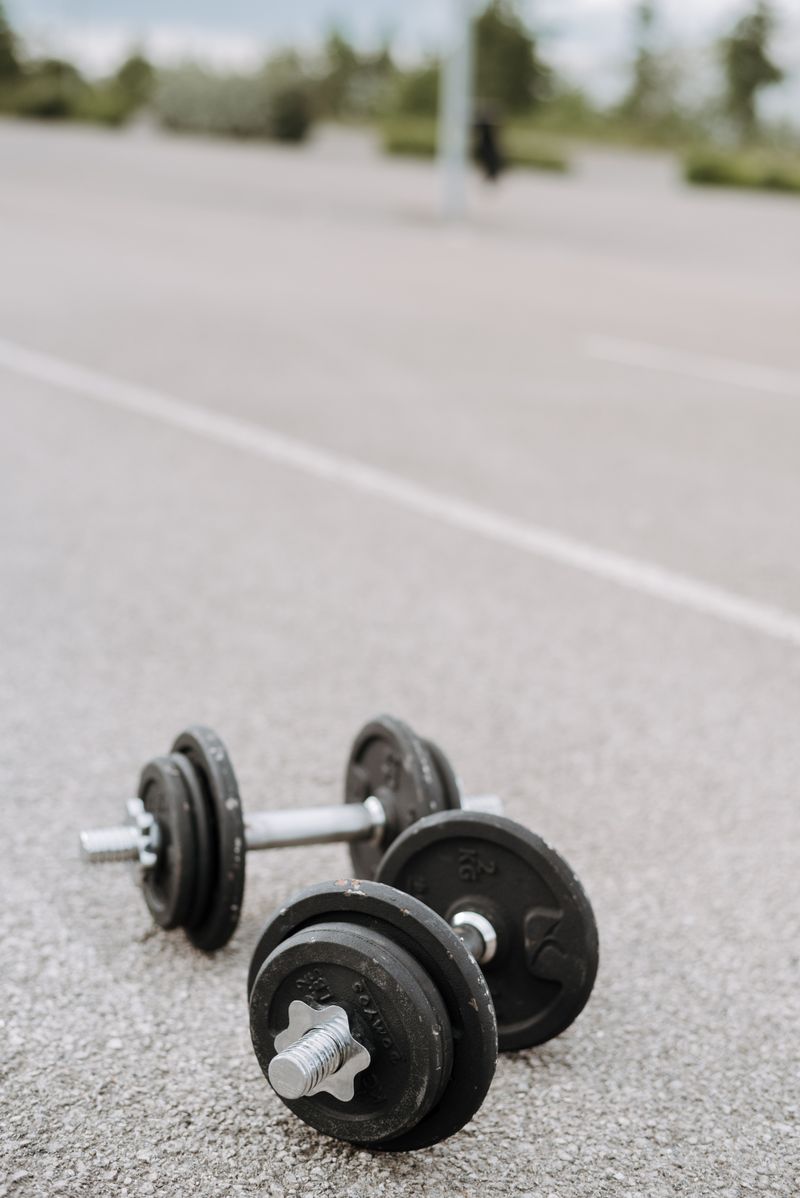
Adjustable dumbbells are the strongest substitute for general strength and physique work. A pair that dials from 5 to 50 pounds costs $250 to $400, fits under a desk, and makes no floor-shaking noise. They cover presses, rows, curls, lunges, and squats well enough for almost anyone not chasing a heavy barbell total.
A trap bar (hex bar) deserves a mention for one job: it lets you deadlift heavy with a far more back-friendly position than a straight bar, and many people with lower-back history tolerate it better. It still needs space and a hard floor, but it skips the bench-press pin risk.
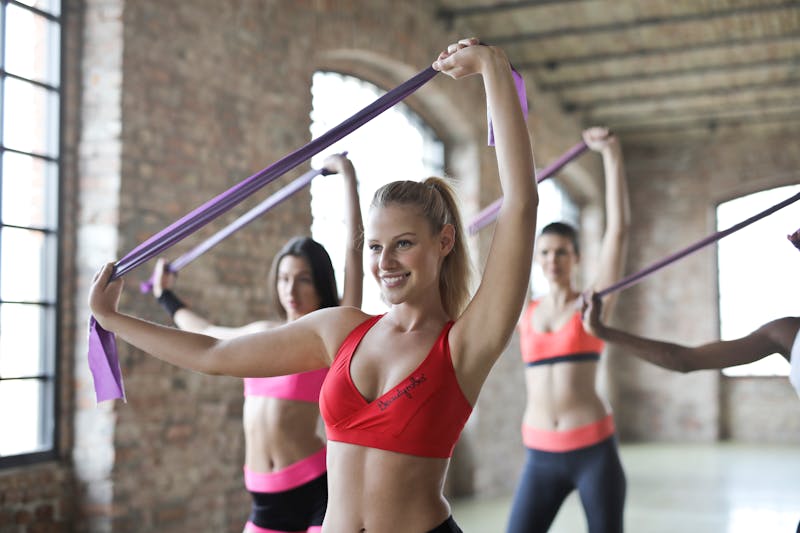
Resistance bands and a doorframe pull-up bar round out a no-noise, small-space kit for well under $100 combined. They will not build a 400-pound deadlift, but they keep you strong and mobile in a setting where a barbell would never fit.
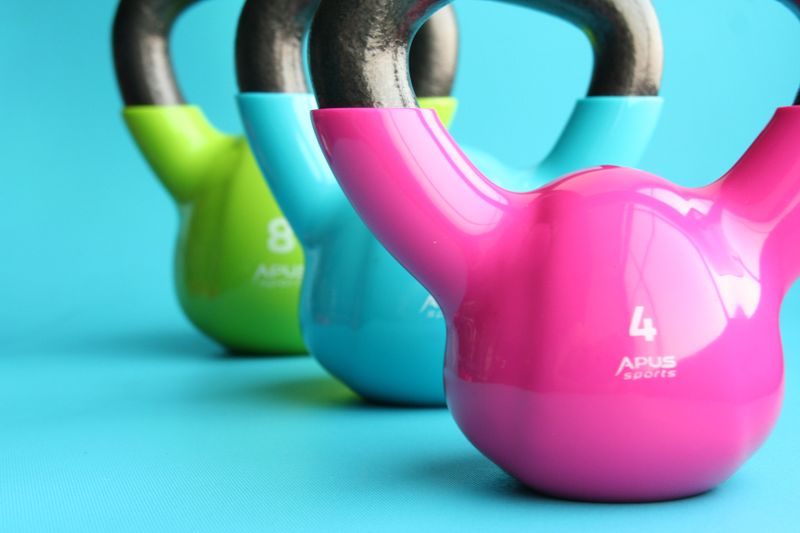
A fixed-weight or adjustable kettlebell is the last alternative worth naming. One 35-pound bell covers swings, goblet squats, presses, and carries, and a swing trains the same hip-hinge pattern as a deadlift with a fraction of the floor space and setup. It is louder than dumbbells if you drop it, but used with control it makes almost no noise and stores in a corner. Many people who think they want a barbell actually want the strength a kettlebell and adjustable dumbbells deliver without the rack, the platform, and the permanent square metre.
Who should buy the barbell
Buy the full barbell setup if you have a garage, basement, or ground-floor room with a hard floor, a goal of building real strength, and the budget for a rack and mats. In that situation nothing else gives you the same long-term progression for the money, and a quality bar lasts decades.
Skip it, for now, if you live above someone, train mostly for general fitness and fat loss, or have under 6 feet of clear floor in any direction. Adjustable dumbbells plus bands will get you most of the result with none of the noise, space, and safety headaches.
A sensible upgrade path
Most people are better off starting light and earning the barbell. Begin with adjustable dumbbells, a bench, and bands, and train consistently for a few months. That tells you whether you will actually use a serious setup before you commit $1,000 and a permanent square metre of your home to it.
| Stage | Kit | Spend |
|---|---|---|
| 1. Test the habit | Bands + pull-up bar | Under $100 |
| 2. Build base strength | Adjustable dumbbells + bench | $350–650 |
| 3. Commit to strength | Bar, plates, rack, mats | $700–1,500 |
If you reach stage three and you have the space, the barbell stops being a question and becomes the obvious next purchase. Bought once and treated well, it is the last piece of strength equipment you ever need.
What to look for in the bar itself
Not every Olympic bar is equal, and the cheapest ones bend or develop a permanent bow under heavy load. The number to check is the tensile strength rating, given in PSI. A bar around 150,000 PSI is fine for general home training; serious lifters look for 190,000 PSI or higher, which resists bending even under a heavy deadlift.
Knurling, the cross-hatched grip texture, matters more than beginners expect. Too smooth and the bar slips in your hands on heavy pulls; too aggressive and it tears your palms on high-rep work. A medium knurl suits most home lifters. The sleeves should spin freely on bushings or bearings, which lets the plates rotate during cleans and reduces strain on your wrists.
Plates: iron, bumper, or a mix
Cast-iron plates are the cheapest per pound and the most compact, so they suit a setup where you bench and press but rarely drop the bar. Bumper plates are rubber-coated, all the same diameter, and built to be dropped from overhead without cracking the floor or the plate. They cost more per pound and take more space, but they are what makes a garage deadlift or clean safe and quiet enough to repeat.
The common home compromise is a mix: bumpers for the working sets you might drop, plus a few small iron plates for the fine increments that bumpers do not come in. That keeps the cost down while still letting you train the lifts where dropping the bar is part of the movement.
| Plate type | Best for | Rough cost per lb |
|---|---|---|
| Cast iron | Bench, press, no dropping | $1.00–1.50 |
| Bumper | Deadlift, cleans, dropping | $1.50–2.50 |
| Small iron (2.5–10 lb) | Fine increments | $1.50–2.00 |
Whatever you choose, buy a little more weight than you can lift today. Plates last forever and you grow into them, whereas running out of load mid-program means another shipping charge and a gap in your progress. A common starting load is around 200 to 300 pounds of plates, which covers years of squatting and deadlifting for most people while leaving the bench and press well-supplied.
Used plates are one of the few home-gym bargains worth chasing. Iron plates are nearly impossible to damage, so second-hand sets sell at a steep discount with no real loss in function. A garage-sale or marketplace find can cut your plate budget in half, which is often the difference between a barbell setup being affordable now or staying a someday plan.
🛠️ Free tools for this topic
No sign-up. They do the calculating and checking for you.
Published by the Gym4Home editorial team. Published August 26, 2026. Updated October 4, 2026.
Editorial responsibility: see Imprint.
Spotted an error or have something to add? corrections@gym4home.com
Home Gym Tips, Weekly
Equipment picks, workout ideas, and setup guides — for every space and every budget. No fluff, just useful.
🎁 Free bonus: The Home Gym Starter Checklist (PDF)
You might also like
Foam Roller Guide: Types, Density and How to Use One
A practical foam roller guide covering density, length and texture, how to pick your first roller, and a step-by-step routine for the main muscle groups.
Pull-Up Bar: Doorframe vs Wall-Mounted Compared
A side-by-side comparison of doorframe and wall-mounted pull-up bars on price, install steps, weight limits, door width, and home damage, with a clear recommendation and US prices.
Resistance Bands: The Complete Guide to Types, Buying and Training
A full guide to resistance band types, how band resistance really works, what to buy first, and how to progress your training over time.
📖 All articles on Gym4Home →
Browse our other articles