Foam Roller Guide: Types, Density and How to Use One
This article may contain affiliate links. If you make a purchase through these links, we may earn a small commission at no extra cost to you. This helps us keep creating free content.
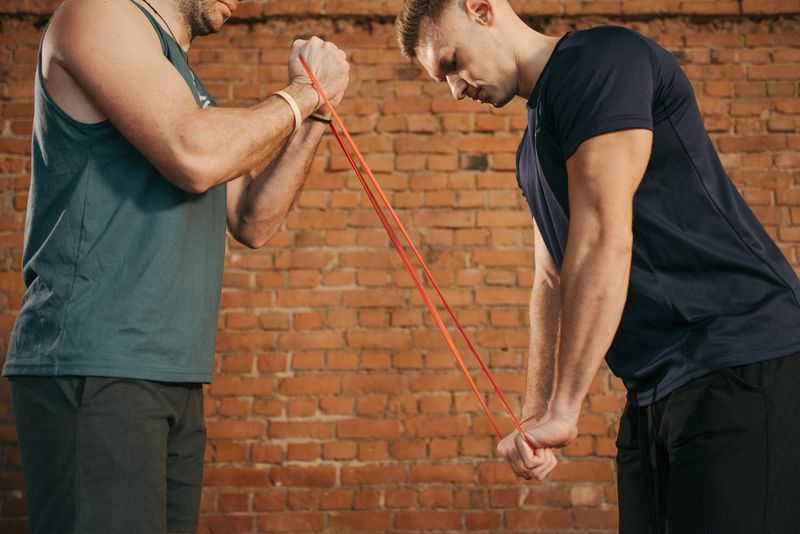
A foam roller costs $15 to $50 and is the cheapest recovery tool that earns its place in a home gym, used to loosen tight muscles and improve how freely a joint moves before and after training. The density, length, and surface texture you choose change the experience completely, and the wrong pick either does nothing or hurts. Here is how to choose one and use it without guesswork.
What a foam roller actually does
Rolling applies pressure to muscle and connective tissue, which many people find loosens tight areas and improves short-term range of motion. Research on the mechanism is still developing, so the fair framing is that rolling may help mobility and the feeling of tightness, rather than that it breaks down anything in the tissue. Used before a workout it can warm an area up; used after, many find it eases stiffness.
It is a low-cost, low-skill tool, which is its main appeal. You do not need instruction to get value, just pressure, time, and a target muscle. It does not replace strength work or a physio for an actual injury, and it should never cause sharp pain.
Density: soft, medium or firm
ProsourceFit High Density Foam Roller, 36 inches
Full-length firm roller for back work, stretching and post-workout recovery.
* Affiliate link. We may earn a commission at no extra cost to you.
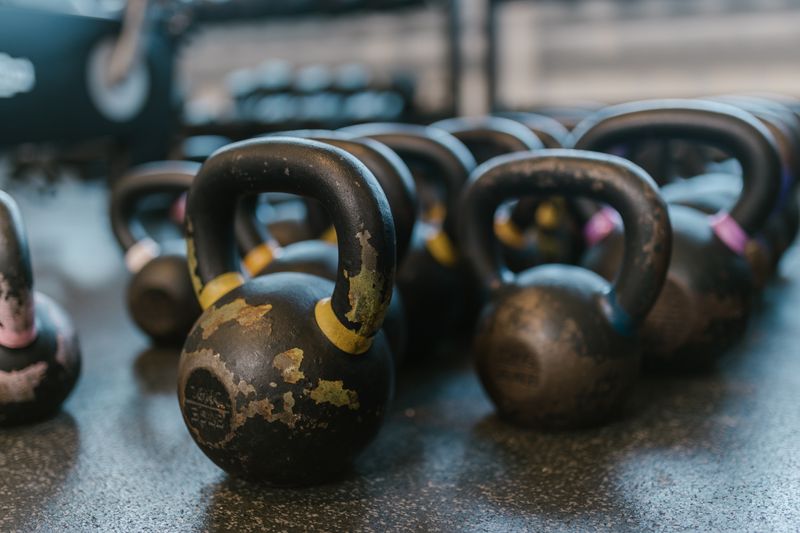
Density is the single most important choice. A soft roller (often white, low-density EVA foam) gives gentle pressure and suits beginners, older adults, and very tight or sensitive muscles. A firm roller (denser foam or molded plastic core) delivers deep pressure that experienced users want but that can feel brutal on a new user.
Medium-density rollers are the safe default for most people, firm enough to be effective without being punishing. Start softer than you think you need; you can always graduate to firmer foam, but a too-hard roller on day one just makes people quit. The denser the foam, the longer it keeps its shape under repeated use, so cheap soft rollers also wear out faster.
Length, texture and core
| Feature | Option | Best for |
|---|---|---|
| Length | Long (36 in) | Back, full-body, lying lengthwise on the spine for stretches |
| Length | Short (12–18 in) | Calves, arms, travel, targeting one muscle, storage |
| Surface | Smooth | Beginners, broad even pressure, sensitive users |
| Surface | Textured / grid | Pinpoint pressure on knots, experienced users |
| Core | Solid foam | Even give, gentler, lighter |
| Core | Hollow plastic | Firmest pressure, durable, holds shape |
How to use a foam roller
Roll each major muscle slowly for 30 to 60 seconds, moving about an inch per second rather than racing back and forth. When you hit a tender spot, pause and hold steady pressure on it for 20 to 30 seconds until the tension eases, then move on. Breathe normally; holding your breath tenses the very muscle you are trying to relax.
- Calves: sit with the roller under your calf, the other leg crossed on top for more pressure, and roll from ankle to just below the knee.
- Quads: lie face down with the roller under the front of your thighs and roll from hip to just above the knee.
- Upper back: lie on your back with the roller across your shoulder blades, hips lifted, and roll the mid-back only, never the lower spine.
- Glutes: sit on the roller, cross one ankle over the opposite knee, and lean into the raised-leg side.
Choosing your first roller
For a first roller, a medium-density smooth model around 18 to 24 inches is the most forgiving choice and covers every muscle group. It is firm enough to work and gentle enough that you will keep using it. Expect to pay $20 to $35 for a durable one; the cheapest soft rollers compress and lose their shape within months.
Buy a textured grid roller only once a smooth one feels too mild, since the raised pattern concentrates pressure and overwhelms beginners. Pick a short roller if you travel or have little storage, and a long 36-inch one if you want to lie along it lengthwise for chest-opening and spine stretches. One good medium roller serves most home gyms for years.
Common mistakes to avoid
Rolling too fast is the most frequent error; whipping back and forth in a second gives the tissue no time to respond, so slow right down. Spending too long grinding on one painful spot is the opposite mistake and can leave an area bruised and sore the next day. Thirty seconds of steady hold on a knot is enough.
Rolling the lower back is the one to avoid completely, because the lumbar spine has no protective cage and the muscles there respond better to stretching and strengthening than to direct pressure. Stick to the calves, quads, hamstrings, glutes, lats, and upper back, and treat the roller as one small part of recovery rather than a fix for pain that needs a professional.
A foam roller covers large muscle groups, while a massage ball reaches the small, hard-to-hit spots a roller rolls right over. A lacrosse ball or dedicated massage ball gets into the glutes, the sole of the foot, and the area around the shoulder blade with pinpoint pressure for under $10. Many people own both: the roller for the big surfaces, the ball for the knots.
Vibrating and electric percussion devices cost $80 to $300 and add buzz that some find loosens tissue faster, but they are not a requirement and a plain foam roller delivers most of the benefit for a fraction of the price. Start with a basic roller, add a massage ball if you have stubborn spots it cannot reach, and only consider a powered device once you have a habit worth upgrading. Spending more does not make rolling work better if you skip it.
Frequently asked questions
Should you foam roll every day? Daily rolling is fine and many people do a few minutes most days, especially on tight areas. There is no need to roll hard or long; short, regular sessions beat occasional grinding marathons. Listen to your body and ease off any area that stays sore.
Does foam rolling hurt, and is that normal? A tight muscle gives a dull, tolerable ache that eases as you hold pressure, and that is expected. Sharp, stabbing, or radiating pain is not normal and means you should stop and avoid that spot. Pain is a signal to back off, not to push through.
When should you roll, before or after a workout? Both work, for different reasons. A short roll before training can loosen tight areas as part of a warm-up so you move more freely. Rolling after training, or on a rest day, many people find eases the stiffness that follows hard sessions. If you only have time for one, roll the areas that feel tightest, whenever that is.
Is a more expensive roller worth it? Only up to a point. A durable medium-density roller in the $20 to $35 range outlasts the cheapest models and does everything most people need. Premium textured and vibrating rollers cost far more and add features you may never use. Spend the extra only once a basic roller has become a habit and feels too mild.
🛠️ Free tools for this topic
No sign-up. They do the calculating and checking for you.
Published by the Gym4Home editorial team. Published September 22, 2026.
Editorial responsibility: see Imprint.
Spotted an error or have something to add? corrections@gym4home.com
Home Gym Tips, Weekly
Equipment picks, workout ideas, and setup guides — for every space and every budget. No fluff, just useful.
🎁 Free bonus: The Home Gym Starter Checklist (PDF)
You might also like
Soreness After a Workout: What Is Normal and What Isn't
How to tell normal post-workout muscle soreness (DOMS) from a real warning sign, plus what actually helps you recover.
Resistance Bands: The Complete Guide to Types, Buying and Training
A full guide to resistance band types, how band resistance really works, what to buy first, and how to progress your training over time.
Home Gym Equipment Brands Compared: Where to Spend and Where to Save
A category-by-category comparison of the main home gym brands, with US price tiers and clear guidance on where premium pays off and where value wins.
📖 All articles on Gym4Home →
Browse our other articles