Gym-in-a-Bag: Storing Home Equipment in Tight Spaces
This article may contain affiliate links. If you make a purchase through these links, we may earn a small commission at no extra cost to you. This helps us keep creating free content.
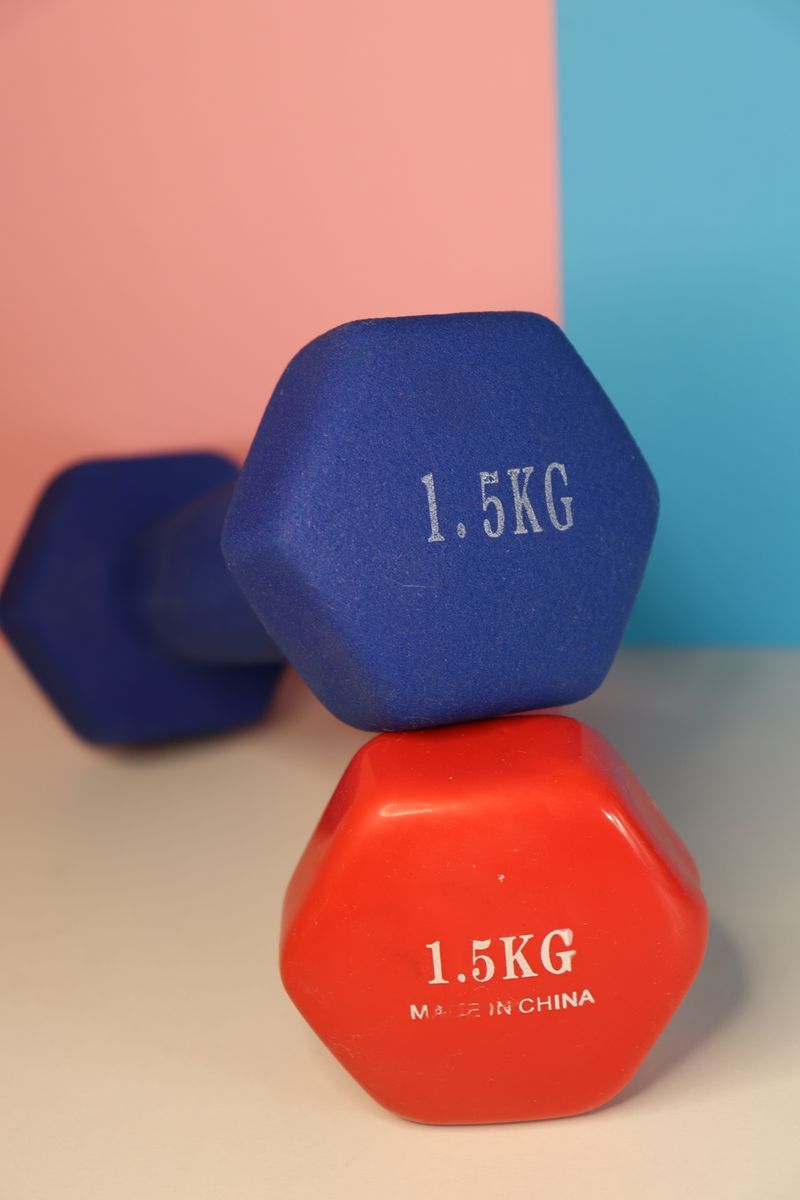
Most home equipment for a small space can live in a single duffel bag or under-bed bin, and that portability is what keeps a tight-space gym usable instead of abandoned. The difference between a gym you train in and one you trip over is rarely the equipment. It is whether the gear deploys in under two minutes and disappears just as fast when guests arrive.
Storage is a design decision, not an afterthought. Choose gear that nests, rolls and stacks, and a studio apartment can hold a full workout setup without a dedicated square foot given over to it.
What actually fits in a bag
A standard 30-inch duffel swallows a surprising amount of training capability. The trick is picking equipment with no fixed footprint.
| Item | Packed size | Trains |
|---|---|---|
| Resistance band set + anchor | Fist-sized pouch | Full body |
| Suspension trainer | Small stuff sack | Pulls, core, legs |
| Jump rope | Conditioning | |
| Sliders / furniture discs | Flat, palm-sized | Core, lunges |
| Loop bands (glute bands) | Hips, warm-ups |
That entire bag weighs under five pounds and trains every movement pattern except heavy loaded squats. Add a doorframe pull-up bar, which will not fit the duffel but leans flat in any closet, and you have covered vertical pulling too.
The two-minute deploy rule
Any setup that takes longer than two minutes to deploy gets skipped on tired days, and skipped days become a quit gym. Store gear where you train, not in a hall closet three rooms away. A bin at the foot of the bed or a hook behind the bedroom door beats a tidy garage shelf you have to visit.
Group items by workout, not by type. If your Monday session uses bands, a mat and sliders, keep those three in one pouch so a single grab gets you training. Splitting them across drawers adds friction, and friction is what kills consistency in a small space.
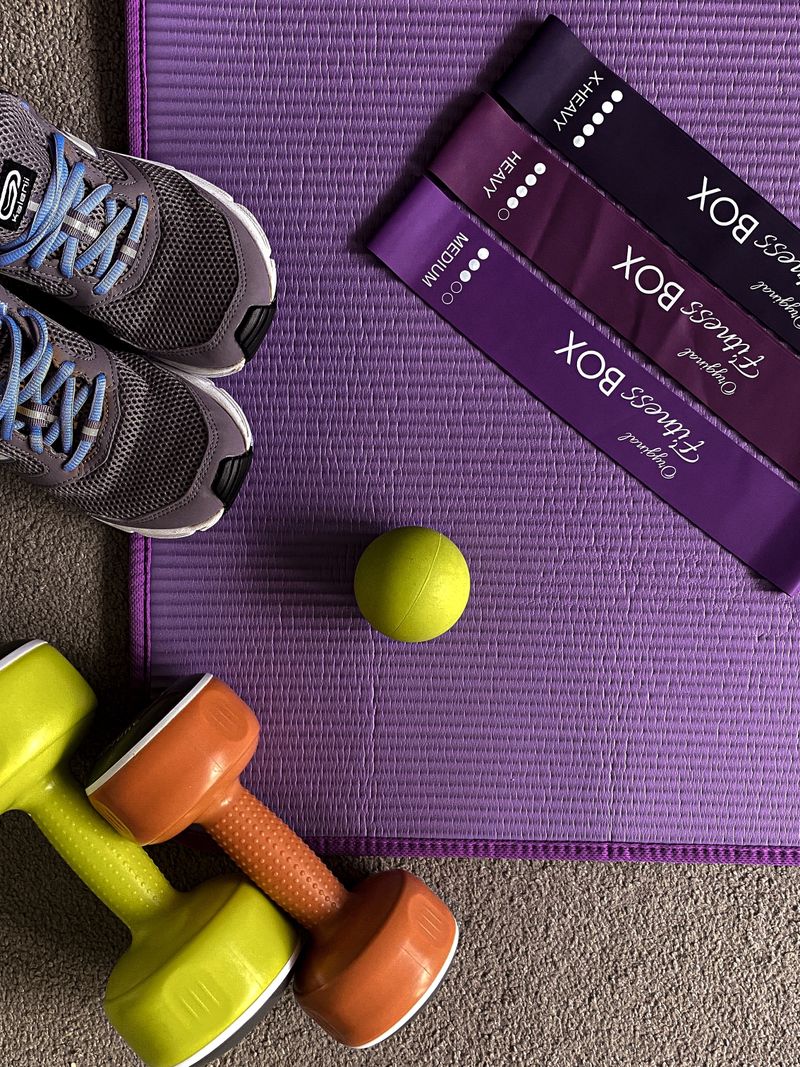
The deploy rule also shapes what you buy in the first place. A piece of equipment that needs assembly, a wall anchor or careful setup every session loses to a band you simply clip and pull, even if the fancier item trains the same muscle slightly better. In a tight space the equation is always training-per-minute-of-hassle, and the gear that wins is the gear that is already out and ready before your motivation has a chance to fade.
Storing the bulkier pieces
Not everything packs into a bag. Adjustable dumbbells, a mat and a bench need a plan. The mat rolls and stands on end in any corner or behind a door. Adjustable dumbbells sit in their tray under a bench or on a closet floor, where their compact footprint is the whole reason to own them over fixed sets.
A folding bench is worth the small premium in a tight space because it flattens to a few inches and slides under a bed or behind a sofa. A non-folding bench is a permanent piece of furniture you will resent. When every item has a home it returns to, the room reads as a bedroom again in 60 seconds.
Vertical storage and door space
Walls and doors are the unused storage in most small homes. A row of sturdy hooks on a wall or inside a closet holds bands, a jump rope, a suspension trainer and a towel without using any floor at all. An over-door organiser, the kind sold for shoes, holds loop bands, sliders and small gear in clear pockets.
Mount a fold-flat wall rack if you own a barbell and a few plates, because plates on the floor are a stubbed-toe waiting to happen and eat the most space per pound of anything you own. Getting weight off the floor and onto a wall transforms how big a small room feels.
- Hooks for anything that hangs: bands, ropes, trainers.
- Bins for loose small items grouped by workout.
- Behind-door space for the pull-up bar and a flat organiser.
- Under-bed for the bench, mat and dumbbell tray.
A storage plan that survives guests
The real test of small-space storage is the surprise visitor. A gym that takes 20 minutes to hide does not get used, because some part of you knows the cleanup is coming. Build the system so that one bin, one rolled mat and a couple of hooks reset the room fast, and you remove the mental cost of training at home.
Keep the rule simple: if it does not fold, roll, hang or nest, it does not belong in a tight-space gym. Equipment chosen by that single test stores itself, deploys in two minutes, and lets a one-room home double as a full gym without ever looking like one.
Choosing the bag itself
A duffel beats a backpack or a tote for home-gym storage because it opens wide along the top, so you see everything at once instead of digging. A 30-inch bag with a flat bottom stands upright in a closet and packs the suspension trainer, bands, ropes and sliders with room left over. Internal pockets matter more than the brand: a zip mesh pocket keeps loop bands and the door anchor from tangling with the longer straps.
If the gym lives at the foot of the bed full-time, a flat under-bed bin with a lid often beats a bag, because it slides out, opens flat and doubles as the surface you lay gear on while you train. Pick clear plastic so you can find a band without opening it. The bag wins only if you also train away from home and want to grab the whole kit and go.
Keeping stored gear in good shape
Rubber is the material that ages worst in storage, so it sets the rules. Bands and the suspension trainer last for years in a cool, dark drawer and degrade fast in a hot car or a sunny window. Wipe sweat off the handles and straps before they go back in the bag, because dried salt and skin oil break down the rubber and grow odour over time. A quick wipe after each session does more for longevity than anything you buy.
Metal items need almost no care beyond keeping them dry. A doorframe pull-up bar stored in a damp basement can spot with rust at the welds, so a closet inside the living space beats a garage. Sliders and furniture discs simply need to stay flat. Treat the rubber gear well and the whole bag stays usable for the better part of a decade, which is part of why a compact kit is the cheapest long-term home gym there is.
One habit keeps the whole system working: empty and repack the bag once a month. Loose handles drift to the bottom, a band ends up knotted around a strap, and the door anchor hides under the mat. A two-minute reset keeps the two-minute deploy promise true, because a tangled bag deploys slowly and a slow deploy is what kills the habit. Storage and consistency are the same problem solved twice, and a bag you can grab and use cold is worth more than any single piece of equipment inside it.
🛠️ Free tools for this topic
No sign-up. They do the calculating and checking for you.
Published by the Gym4Home editorial team. Published November 9, 2026.
Editorial responsibility: see Imprint.
Spotted an error or have something to add? corrections@gym4home.com
Home Gym Tips, Weekly
Equipment picks, workout ideas, and setup guides — for every space and every budget. No fluff, just useful.
🎁 Free bonus: The Home Gym Starter Checklist (PDF)
You might also like
A Real Home Gym Setup for Under $100
A complete under-$100 home gym built on resistance bands, a pull-up bar and a mat, with a shopping list, a full-body workout and clear limits.
Multifunctional Equipment for a Small Home Gym
The best multifunctional gym equipment for small spaces, ranked by footprint and movements covered, with a complete corner-gym build under $500.
Pull-Up Bar Alternatives for a Low Ceiling
A 7-foot ceiling rules out a standard pull-up bar. Here are the alternatives that train the same pull with little or no overhead clearance.
📖 All articles on Gym4Home →
Browse our other articles