Home Gym in 50 Square Feet: What Fits and What Doesn't
This article may contain affiliate links. If you make a purchase through these links, we may earn a small commission at no extra cost to you. This helps us keep creating free content.
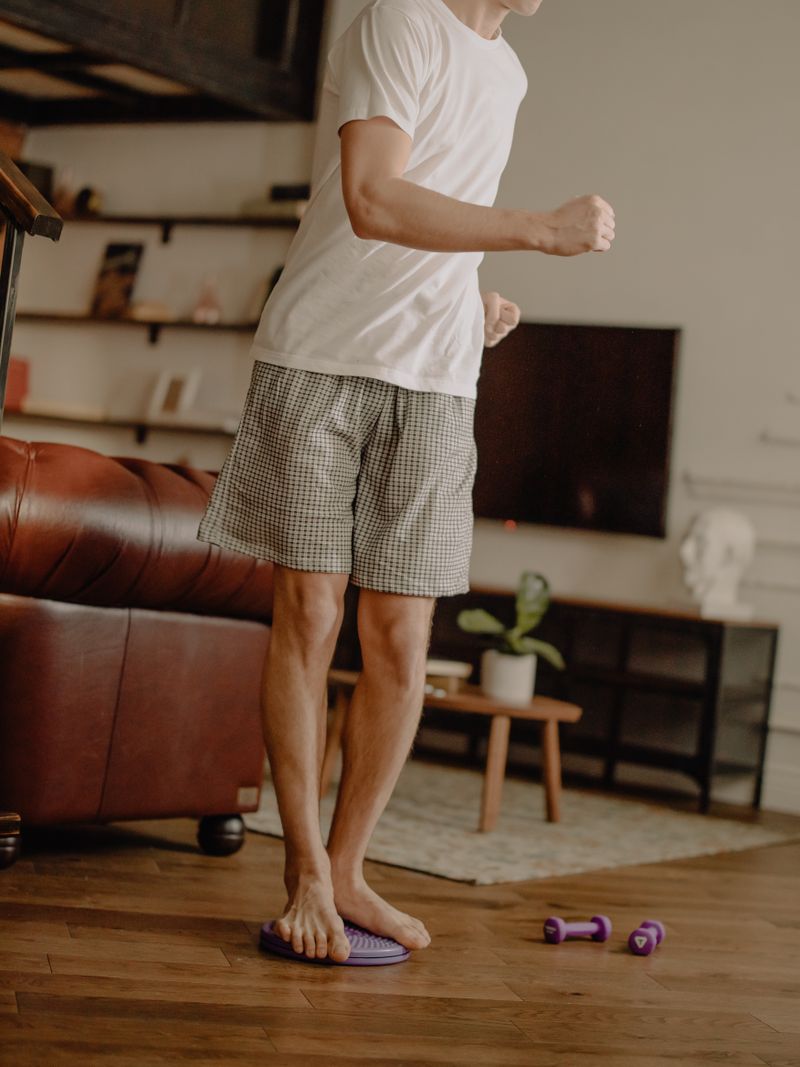
Fifty square feet is roughly a 7-by-7-foot corner, about the footprint of a small dining table with the chairs pulled out. That is enough room for a complete strength setup if you choose equipment that stacks, folds, or hangs on a wall, and skip anything that needs a permanent floor claim. The trick is buying for movement clearance, not just for the gear itself.
Most people overfill a small space by chasing a machine for every muscle. A 50-square-foot gym works the opposite way: a handful of load-flexible tools cover the whole body, and the open floor in the middle becomes the most valuable piece of equipment you own.
What actually fits in 50 square feet
The winning gear shares one trait: a small storage footprint relative to what it can train. Adjustable dumbbells replace a full rack. Resistance bands replace a cable stack. A folding bench tucks against a wall when you are done. None of these need bolting down, and none ruin the room when guests come over.
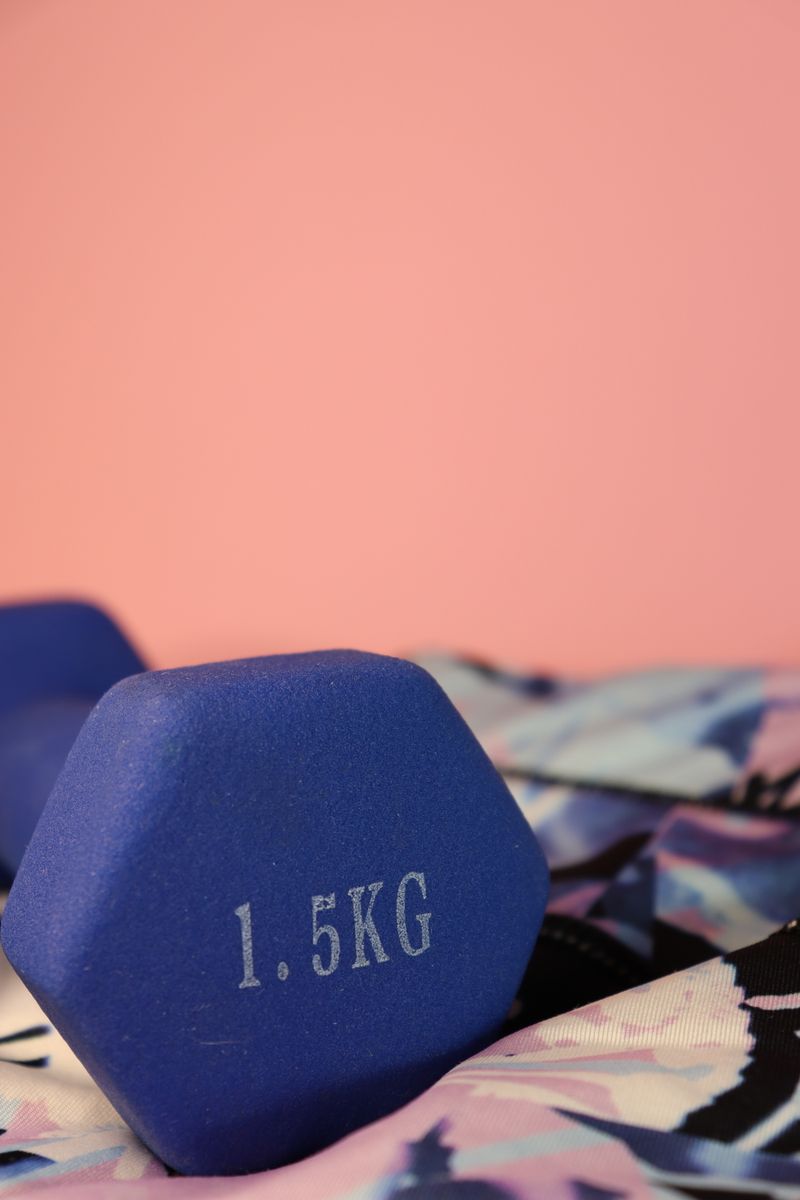
Here is how common equipment compares on space, cost, and how much of the body it can train. Footprints are for the item in use, not folded away.
| Equipment | In-use footprint | Approx. US price | Body coverage |
|---|---|---|---|
| Adjustable dumbbells (pair) | 2 sq ft on a stand | $300–550 | Full body |
| Resistance bands (set) | Near zero, hangs on hook | $25–60 | Full body |
| Folding flat/incline bench | 6 sq ft open, 2 folded | $120–250 | Pressing, rows, core |
| Adjustable kettlebell | 1 sq ft | $130–250 | Lower body, swings, carries |
| Doorframe pull-up bar | Zero floor space | $25–40 | Back, arms |
| Exercise mat | 12 sq ft, rolls up | $30–70 | Floor work, protects floor |
| Suspension trainer | Zero floor, anchors to door | $60–150 | Full body |
Add it up and a strong starter kit, such as adjustable dumbbells, a folding bench, a band set, and a mat, runs roughly $450 to $900 and leaves the center of the room clear for squats, lunges, and pressing.
What to skip in a tight room
Fit Simplify Resistance Bands Set
Five resistance levels in a kit that fits in a drawer, gentle on the joints and ideal to start with.
As an Amazon Associate we earn from qualifying purchases.
Some equipment is excellent in a garage and wrong in a corner. A full power rack with a barbell needs a 6-by-8-foot zone of its own plus ceiling height for overhead pressing, which eats your whole budget of space. A treadmill swallows about 20 square feet and is loud enough to annoy anyone below you.
Fixed dumbbell sets are the quiet space killer. A rack of ten pairs takes the same floor area as a small bookshelf and gives you a fraction of the load range of one adjustable pair. Rowing machines and spin bikes are great cardio, but each one claims a permanent spot that a folding tool would free up between sessions.
Noise and floor protection in an apartment
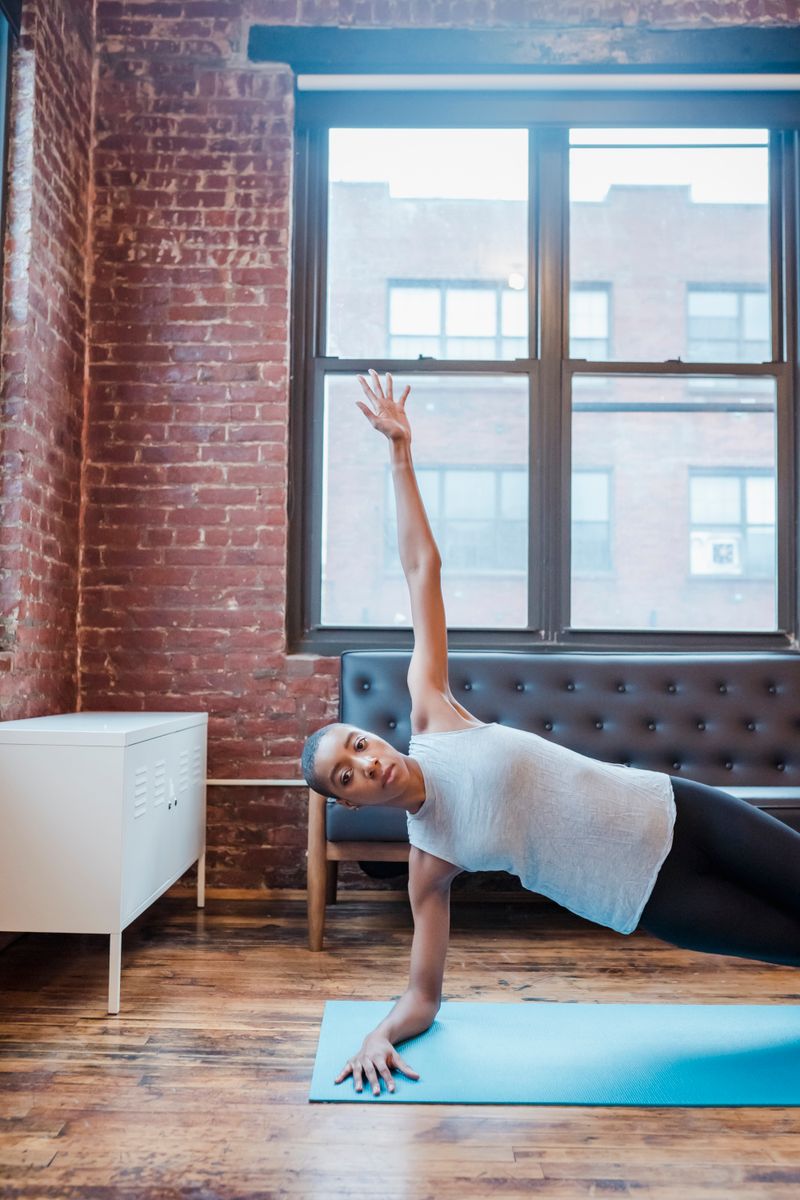
The fastest way to get a complaint is dropped weight. Even a moderate dumbbell hitting bare floor sends a thud through the building structure that travels far better than airborne sound. A 3/4-inch rubber mat or interlocking gym tiles, about $40 to $120 for a small zone, absorb most of that impact and protect the floor underneath. Two layers help even more: a thinner foam underlay beneath the rubber decouples the impact from the subfloor, which is what actually carries sound to the unit below.
Jumping movements carry the same risk. Box jumps, burpees, and jump rope land hard, so swap them for low-impact alternatives if you have neighbors below: step-ups instead of box jumps, fast bodyweight squats instead of jump squats. Band and suspension work is naturally quiet, which is part of why both punch above their footprint in a shared building.
Timing matters as much as flooring. Keep weight-bearing sessions inside normal waking hours, roughly 8 a.m. to 9 p.m., and a building is far more forgiving of the occasional thud. If your floor is suspended timber rather than concrete, expect more transmission and lean harder on bands, suspension work, and slow controlled lifting, which produce almost no impact noise at all.
A sample corner layout
Picture the 7-by-7-foot corner from above. Two walls form an L. The plan below keeps the center open and pushes everything to the edges so you can train without rearranging the room each time.
- Back wall: doorframe pull-up bar over the doorway, suspension trainer anchored beside it. Both use vertical space and zero floor.
- Side wall: a row of wall hooks for bands, jump rope, and the rolled-up mat. A narrow shelf holds the adjustable dumbbells and kettlebell at about waist height.
- Corner itself: the folding bench stands upright against the join of the two walls when not in use, footprint about 2 square feet.
- Center floor: left empty. This is where the mat rolls out and where you squat, lunge, press, and do floor work. Keeping it clear is the whole point.
To make this concrete, here is what a worked 7-by-7 corner holds without crowding. Put the dumbbell shelf in the corner where the two walls meet, because that dead corner is the least useful floor space and the easiest to reach from the center. Mount the pull-up bar and suspension anchor on the longer of the two walls, leaving the shorter wall free for hooks so a swinging band or rope never catches on the bench. The bench, folded flat to about 2 feet by 1 foot, leans against the shelf side. That leaves a clear square of roughly 5 by 5 feet in the middle, enough to press a dumbbell overhead, drop into a lunge, or lie down for floor work with arms extended.
Set up this way, the gym disappears when you are done. The bench folds, the mat rolls, the weights sit on a shelf, and the corner reads as a tidy nook rather than a fitness studio. The single rule that keeps it usable is protecting that center square. The moment gear creeps into the middle, the room stops working as a gym and becomes storage.
Building a full-body routine from a small kit
A compact kit covers every major movement pattern, which is all a balanced program needs. You do not require a separate machine per muscle; you need a push, a pull, a squat, a hinge, and a carry. The kit above handles all five.
| Movement | Exercise | Equipment |
|---|---|---|
| Push | Dumbbell or band chest press | Bench + dumbbells or bands |
| Pull | Pull-ups or band rows | Bar or bands |
| Squat | Goblet squat | Kettlebell or dumbbell |
| Hinge | Romanian deadlift | Dumbbells or kettlebell |
| Carry/core | Suitcase carry, plank | Dumbbell + mat |
Run two or three sets of each, eight to twelve reps, three times a week, and you have hit the whole body inside that 7-foot corner. Progress by adding weight on the adjustable dumbbells or moving to a heavier band, not by buying more machines. When the heaviest setting on your dumbbells starts to feel easy for twelve reps, that is the signal to slow the lowering phase or add a pause at the bottom rather than to buy a barbell you have no room for.
Frequently asked questions
Can you really build muscle in 50 square feet? Yes. Muscle responds to progressive load and effort, not to floor area. Adjustable dumbbells alone span a wide enough range to keep most people growing for years.
What is the single best first purchase? A pair of adjustable dumbbells. They replace an entire rack, train the full body, and fit on a shelf. Add a folding bench second.
Do I need a barbell? Not in this footprint. A barbell and plates need a rack and a clearance zone you do not have. Dumbbells and a kettlebell cover the same lifts in far less space.
How do I keep it quiet for neighbors? Use a thick rubber mat over a foam underlay, lower weights under control instead of dropping them, swap jumping moves for step-ups and fast squats, and train within normal waking hours.
What ceiling height do I need? For seated and floor work, almost none. For standing overhead dumbbell presses, allow for your standing reach plus the dumbbell, usually around 8 feet for an average adult. A doorframe pull-up bar needs enough clearance above the door to hang at full stretch without your head touching the ceiling.
Can two people share a 50 square foot gym? One at a time, comfortably. The center square fits one person mid-movement. Two people training together want closer to 100 square feet, or they alternate sets, which works fine with a single shared dumbbell set.
A small space is a constraint, not a compromise. Buy load-flexible tools that hang or fold, protect the floor, and keep the center clear, and a 7-foot corner trains your whole body for the price of a few months at a commercial gym.
🛠️ Free tools for this topic
No sign-up. They do the calculating and checking for you.
Published by the Gym4Home editorial team. Published June 30, 2026. Updated October 4, 2026.
Editorial responsibility: see Imprint.
Spotted an error or have something to add? corrections@gym4home.com
Home Gym Tips, Weekly
Equipment picks, workout ideas, and setup guides — for every space and every budget. No fluff, just useful.
🎁 Free bonus: The Home Gym Starter Checklist (PDF)
You might also like
How to Build a Home Gym in a Spare Bedroom
A step-by-step plan to build a strength gym in a spare bedroom, from floor protection and equipment buy order to layout and soundproofing.
Building a Small-Space Home Gym for Under $500
Five hundred dollars buys a complete strength setup that fits a 6ft corner. The exact gear list, priority order, and real US prices.
How to Set Up a Home Gym in a Corner
A step-by-step plan to build a complete home gym in one corner: measuring, flooring, the anchor bench, weights, wall storage and a movement-friendly layout, with US prices.
📖 All articles on Gym4Home →
Browse our other articles