Low-Impact Home Workout Equipment: A Joint-Friendly Buying Guide
This article may contain affiliate links. If you make a purchase through these links, we may earn a small commission at no extra cost to you. This helps us keep creating free content.
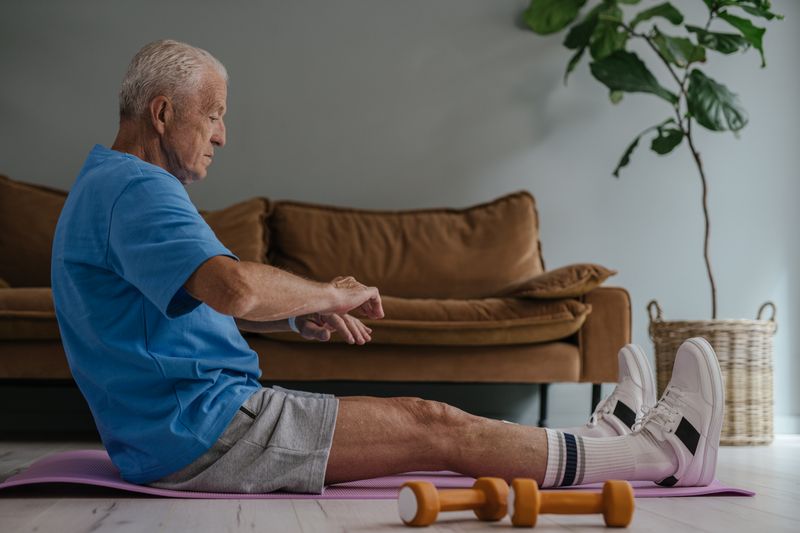
Health note: This article is for general information only and is not a substitute for medical advice. Talk to your doctor before starting a new exercise programme, especially if you have an existing health condition or injury.
Low-impact equipment keeps both feet on or near the ground and removes the jarring forces that bother knees, hips and lower backs. A complete joint-friendly home setup costs roughly $150 to $450 (approximate US retail) and fits in a corner of a spare room or apartment living area. The pieces below let you train strength, balance and cardio without the pounding of running or jumping.
The goal is steady, repeatable training you can do most days. Equipment that hurts gets shoved in a closet. Pieces that feel comfortable and store easily get used, and consistency is what actually builds strength and protects joints over the years.
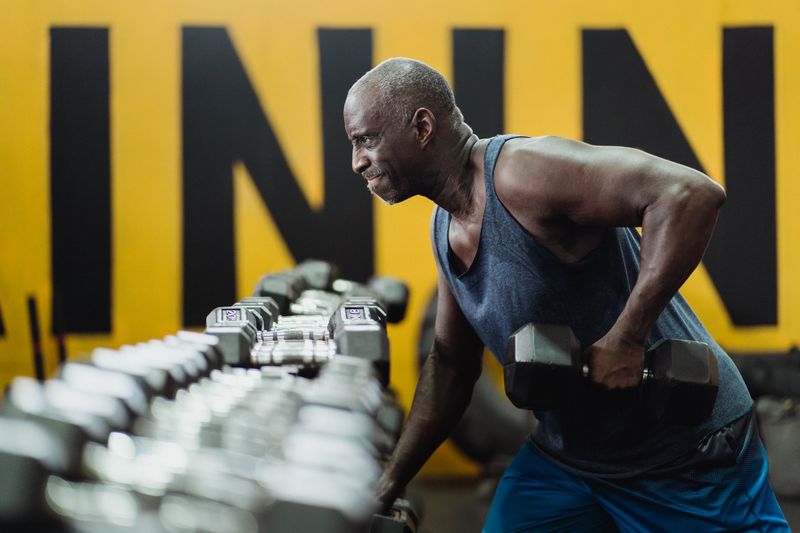
What "low-impact" actually means for your joints
Impact refers to the shock that travels up through your skeleton when your body absorbs force, such as the moment your heel strikes the floor during a jog. Low-impact training reduces or removes that shock while still loading the muscles. Your muscles work hard, but your cartilage and tendons are not absorbing repeated collisions.
This matters more as you age because cartilage thins and recovers slower. Strength work itself is not the problem. Many people with knee or hip issues handle squats and presses comfortably once the explosive, bouncing movements are taken out. The equipment in this guide was chosen because it loads muscle smoothly and lets you control the speed of every rep.
Control is the thread running through every low-impact tool. A resistance band stretches and returns at the pace your hands set. A dumbbell rises only as fast as you lift it. A recumbent bike turns smoothly with no jarring at all. Compare that to a jog, where each stride lands with a thud you cannot soften. By removing the uncontrolled forces, low-impact equipment lets you keep training through the years when high-impact options would have to stop.
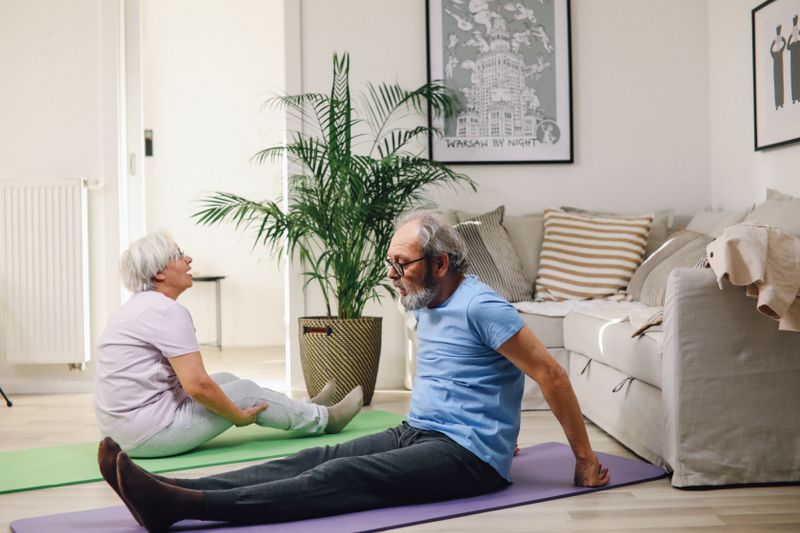
The core pieces, compared
Retrospec Solana Thick Exercise Mat (1/2 in)
A thick, non-slip mat makes floor work and stretching comfortable on the joints.
As an Amazon Associate we earn from qualifying purchases.
You do not need all of these at once. Most people start with bands and a mat, then add one or two items as their training grows. The table below compares the main options on price, what they train and how apartment-friendly they are.
| Equipment | Approx. US price | Best for | Apartment-friendly? |
|---|---|---|---|
| Resistance bands (set) | $15–35 | Full-body strength, rehab | Yes, silent and tiny |
| Adjustable dumbbells | $120–350 | Progressive strength | Yes, compact, set down quietly |
| Exercise / yoga mat | $20–60 | Floor work, comfort, balance | Yes, rolls up |
| Mini exercise bike or pedal exerciser | $40–90 | Seated cardio | Yes, very quiet |
| Recumbent or upright bike | $200–600 | Sustained cardio | Footprint of a chair, low noise |
| Stability ball | $20–35 | Core, balance, gentle mobility | Yes, deflates for storage |
| Balance pad or board | $25–60 | Fall prevention, ankle stability | Yes, slim |
Resistance bands: the best place to start
Resistance bands give older adults real strength gains with almost no impact on the joints. A set of fabric loop bands or tube bands with handles covers most of the body: rows, presses, squats, glute work and shoulder exercises. Bands also remove the risk of dropping a weight on your foot, which makes them a calm first purchase.
The resistance is variable through each rep, lightest at the start and firmest at full stretch, so your joints are never loaded hard at their weakest angle. That feature is part of why physiotherapists reach for bands so often. Buy a graduated set so you can move up in resistance as you get stronger, rather than a single band you outgrow in a month.
Two band styles cover most needs. Tube bands with handles suit pressing and rowing movements and feel similar to using a cable machine. Flat loop bands, often called booty bands or therapy bands, are ideal for leg and glute work and for gentle shoulder rehab. A set that includes both styles, plus a door anchor, opens up dozens of exercises from a package that fits in a kitchen drawer. The anchor lets you fix a band at chest or head height in a doorframe, which adds rows, presses and pull-downs to the floor-based moves.
Adjustable dumbbells for steady progress
Dumbbells let you add load in small steps, which is exactly what older joints want. A single pair of adjustable dumbbells replaces a whole rack and turns from light to moderately heavy with a dial or pin. For most home users a pair adjusting from 5 to 25 pounds covers years of training; stronger users look at sets reaching 50 pounds or more.
The advantage over fixed weights is space and progression. You can do a 7.5-pound shoulder raise and a 25-pound row in the same session without owning ten separate dumbbells. Set them down gently on a mat to keep the noise down in an apartment. We cover specific models in our dedicated dumbbell guide.
Seated and low-impact cardio
Cardio does not require pounding the pavement. A recumbent bike lets you pedal with full back support and zero impact, and the seated position suits anyone wary of balance. An upright bike has a smaller footprint if floor space is tight. For the smallest budget, a pedal exerciser slides under a desk or in front of an armchair and costs $40 to $90.
Rowing machines deserve a mention too, though they ask more of the lower back and shoulders. If those areas are healthy, a rower trains the whole body smoothly with no impact at all. If they are not, start with a bike and revisit rowing once your back feels strong. Pick the machine you will actually sit on several times a week.
Noise is the quiet deciding factor in an apartment. Magnetic-resistance bikes and rowers run almost silently, which matters if you train early or have neighbours below. Pedal exercisers are nearly silent too. Avoid older fan or air bikes indoors if noise is a concern, since the fan can be loud enough to carry. For cardio you can do at any hour without a second thought, a magnetic recumbent or upright bike is the safe pick.
Mats, balance pads and the supporting cast
A thick mat is the cheapest comfort upgrade you can buy. Floor exercises, stretching and core work all feel better on 6 to 8 millimetres of cushioning, and a mat also protects the floor when you set weights down. A stability ball adds gentle core and balance training, and many people find it doubles as a supportive seat for short periods.
Balance pads and boards target fall prevention directly by training the small stabiliser muscles in your ankles and hips. Used near a wall or sturdy chair for support, they build the kind of steadiness that keeps you upright on uneven ground. These small accessories cost little and round out a setup that already does the heavy lifting.
How the pieces work together in a routine
A balanced week touches three qualities: strength, cardio and balance. Bands and dumbbells cover strength, a bike or pedal exerciser covers cardio, and a pad or stability ball covers balance. You do not need a long session for each. A 25-minute strength workout twice a week, two short cardio sessions and a few minutes of balance practice on most days is a complete, sustainable plan.
Rotate the equipment rather than trying to use everything every day. Two strength days with bands and dumbbells, two lighter cardio days on the bike, and short balance work woven into your morning all fit comfortably around a normal life. The mat underpins almost everything, because it is where you stretch, do core work and set the weights down. Here is how a simple week might look:
- Monday: Strength with bands and dumbbells, 25 minutes, then a short stretch on the mat.
- Tuesday: Easy cardio on the bike, 15 to 20 minutes, plus a minute or two on the balance pad.
- Wednesday: Rest or a gentle walk, with a few balance reps by the kitchen counter.
- Thursday: Strength again, swapping in different band and dumbbell exercises.
- Friday: Cardio on the bike plus stability-ball core work on the mat.
- Weekend: One active day outdoors, one full rest day.
Common mistakes when buying low-impact gear
Buying everything at once is the most common error. People order a bike, a rower, a band set and dumbbells in one go, then use two of them. Starting small lets you learn what you actually enjoy before spending more, and enjoyment is what keeps you training. The closet full of unused equipment is a familiar and expensive story.
Chasing the heaviest or most advanced option is the second mistake. A 90-pound dumbbell set, a roller balance board or a high-resistance rower can intimidate a beginner into avoiding the gear altogether. Match equipment to where your body is now, not to where you imagine it will be. The third mistake is skipping the mat to save $30, then finding floor work too uncomfortable to continue. The cushioning is not a luxury for older joints.
How to build your setup without overspending
Start with the two cheapest, most-used pieces and grow from there. A band set and a good mat cost under $80 together and let you train your whole body from day one. Add adjustable dumbbells once banded exercises start feeling easy, then a cardio machine if you want sustained heart-rate work indoors.
A sensible first-year path looks like this: bands and mat in month one, a stability ball or balance pad in month two, adjustable dumbbells around month three, and a bike later if cardio matters to you. Spreading purchases out keeps the cost manageable and gives you time to learn each piece before adding the next.
Frequently asked questions
Is low-impact exercise enough to build real strength?
Yes. Strength comes from progressively loading your muscles, not from impact. Bands and dumbbells let you increase resistance over time, which is the actual driver of strength. Impact mainly adds joint stress without adding strength benefit.
What is the single best first purchase?
A graduated resistance band set. It trains the whole body, costs under $35, stores in a drawer and is gentle on every joint. Almost everyone can use it safely on day one.
I have bad knees. Can I still do this?
Many people with knee issues train comfortably with low-impact equipment, often more comfortably than they expect, because strengthening the muscles around the knee can ease everyday load. Clear the specifics with your doctor or physio first, and stop any movement that causes sharp pain.
How much space do I really need?
A clear area about the size of a yoga mat plus a little room to swing your arms covers nearly everything here. A bike adds the footprint of a chair. None of it requires a dedicated room.
Should I buy used equipment to save money?
Used dumbbells, bikes and stability balls are usually fine and can save half the cost. Skip used resistance bands, since rubber degrades with age and a worn band can fail. Inspect any used machine for smooth, quiet motion before buying.
How often should I replace resistance bands?
Replace a band the moment you spot nicks, cracks, sticky patches or stretched-out spots, since a band that fails under tension can snap back at you. With regular home use, latex bands typically last one to two years before the rubber starts to perish, while fabric loop bands often last longer. Check each band before every session and retire it at the first sign of wear rather than waiting for it to break.
How do I store equipment in a small space?
Bands and a deflated stability ball tuck into a drawer or bin, and a mat rolls into a corner or stands upright behind a door. Adjustable dumbbells sit on a shelf or under a side table, and a folding pedal exerciser slides under the bed. Keeping the gear visible but tidy makes you far more likely to use it than burying it in a closet.
How heavy should my dumbbells be?
Light enough that you can complete 10 to 12 controlled reps with good form, and the last two should feel challenging. For many beginners over 50 that means starting in the 5 to 10 pound range and building up. Adjustable dumbbells make stepping up easy.
Can I do this if I have never exercised before?
Yes. Low-impact equipment is one of the gentlest ways to start, because you set the resistance and the pace. Begin with the lightest band in the set and short sessions, then add a little each week. Building slowly from a true beginner level is normal, and steady progress over months matters far more than how you start.
How long before I see results?
Many people notice they feel steadier and have more everyday strength within four to six weeks of regular training. Visible muscle and bigger strength gains take longer, usually a few months. The early wins are functional: stairs, carrying groceries and getting up from a chair start to feel easier, which is reason enough to keep going.
🛠️ Free tools for this topic
No sign-up. They do the calculating and checking for you.
Published by the Gym4Home editorial team. Published July 7, 2026. Updated October 4, 2026.
Editorial responsibility: see Imprint.
Spotted an error or have something to add? corrections@gym4home.com
Home Gym Tips, Weekly
Equipment picks, workout ideas, and setup guides — for every space and every budget. No fluff, just useful.
🎁 Free bonus: The Home Gym Starter Checklist (PDF)
You might also like
Home Gym for Bad Knees: Joint-Friendly Equipment That Works
Joint-friendly home gym equipment for sore knees: low-impact cardio, resistance bands and dumbbells, US price ranges, a sample routine and gear to avoid.
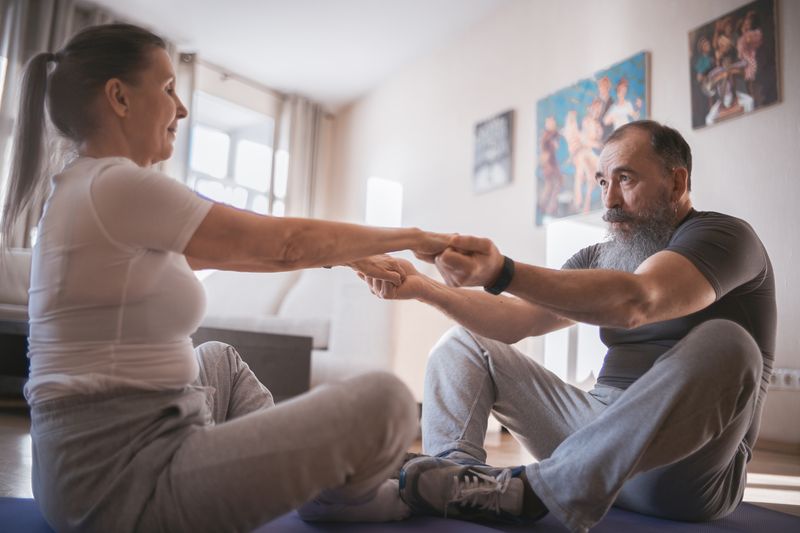
Best Home Gym Equipment for Seniors Over 60: What Actually Works
A practical, joint-friendly home gym for people over 60, ranked by value and adjustability, with approximate US prices and a sensible buy-in-order plan.
Multifunctional Equipment for a Small Home Gym
The best multifunctional gym equipment for small spaces, ranked by footprint and movements covered, with a complete corner-gym build under $500.
📖 All articles on Gym4Home →
Browse our other articles