How to Build a Home Gym in a Spare Bedroom
This article may contain affiliate links. If you make a purchase through these links, we may earn a small commission at no extra cost to you. This helps us keep creating free content.
Hinweis: Dieser Artikel ersetzt keine ärztliche Beratung. Besprich Trainingsfragen im Zweifel mit Arzt oder Physiotherapie.
A spare bedroom of 100 to 130 square feet holds a complete strength setup with room to move, which puts it well ahead of a garage corner or a living-room nook. The constraint is rarely floor area in a spare room. It is the floor itself, the ceiling height and the door you have to get equipment through. Get those three right before you buy a single plate.
The build below works from the room outward. Protect the surfaces first, then add the equipment in a sensible order, then arrange it so you can train without shuffling furniture every session.
Check the room before you spend
Three measurements decide what fits. Ceiling height determines whether you can press overhead or do pull-ups: a 5-foot-10 lifter pressing a bar needs roughly 8 feet of clearance, and standard bedroom ceilings of 8 feet are tight. Floor type matters because a second-floor bedroom over a living room transmits every dropped weight. Door width caps the size of any bench or rack you can carry in.
Measure the diagonal of the room too, not just the walls. A 10 by 11 room gives you a roughly 15-foot diagonal, which is enough swing room for kettlebell work and dumbbell lunges that a wall-to-wall measurement hides.
Protect the floor first
Fit Simplify Resistance Bands Set
Five resistance levels in a kit that fits in a drawer, gentle on the joints and ideal to start with.
* Affiliate link. We may earn a commission at no extra cost to you.
Flooring is the one thing you cannot easily add later, so do it before the equipment arrives. Carpet over a wood subfloor needs a hard, stable surface for any standing lift, otherwise dumbbells tip and you lose balance under load. Horse-stall mats, sold at farm-supply stores at roughly $40 to $60 for a 4-by-6-foot mat, are the standard answer because they are dense, cheap per square foot and almost indestructible.
Two stall mats give you a solid 8-by-6 training platform for around $100. Lay them rubber-side down over carpet or hardwood. They flatten in a day or two and stop sliding once furniture pins the edges. Interlocking foam tiles are softer and quieter but compress under a bench and rip under a dragged dumbbell.
Buy equipment in this order
A spare room rewards a layered build. Start with the pieces that cover the most movements, then specialise.
| Stage | Equipment | Approx. price | Why now |
|---|---|---|---|
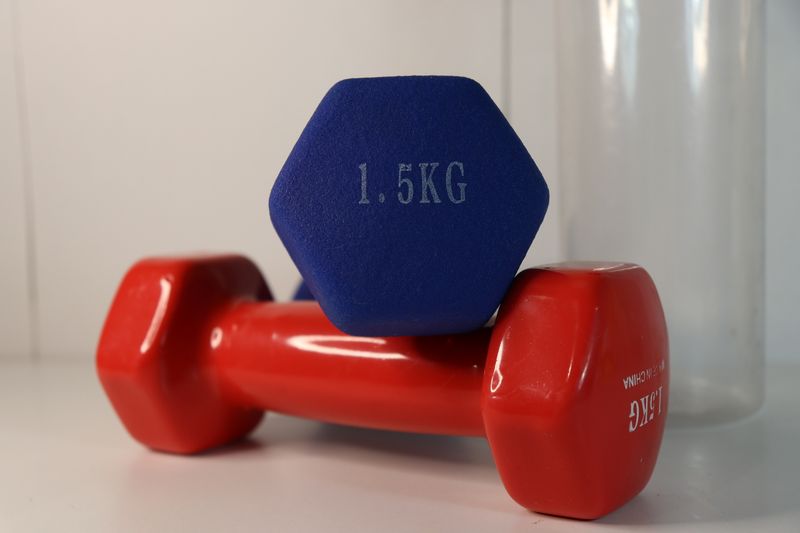
| 1 | Adjustable dumbbells (to 50 lb/hand) | $250–350 | Covers every major lift in minimal space |
| 2 | Flat-incline bench | $120–200 | Unlocks comfortable pressing and rows |
| 3 | Pull-up bar or wall-mount station | $30–120 | Adds vertical pulling |
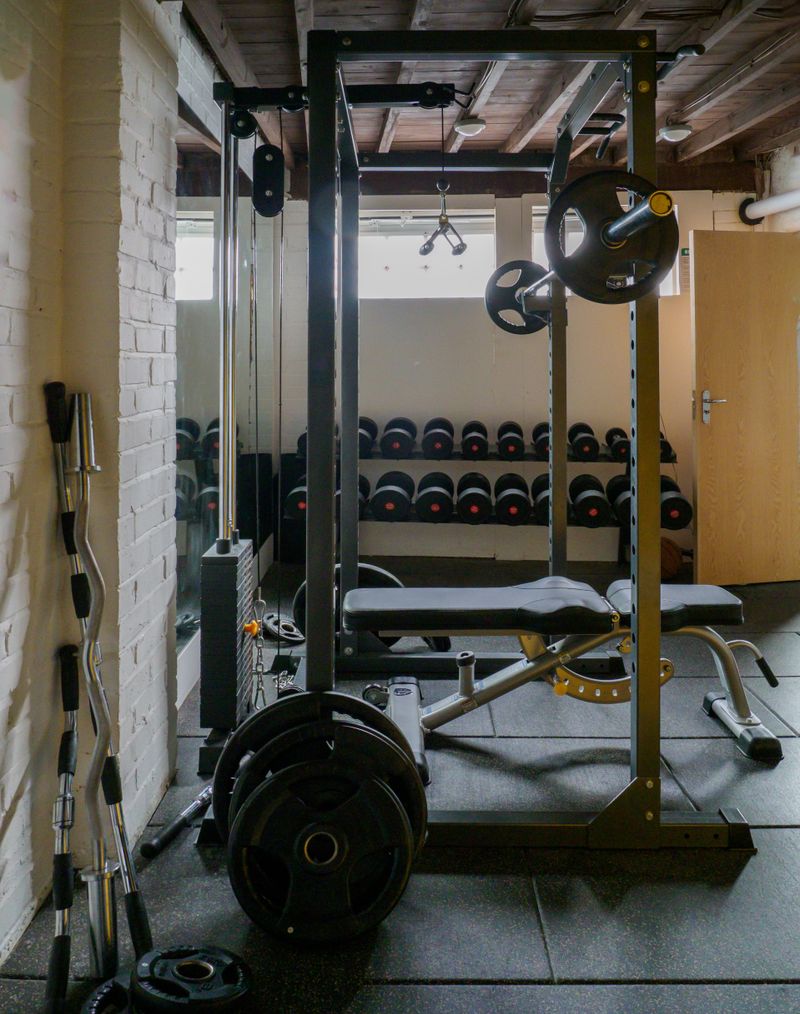
| 4 | Squat stands + barbell + plates | $400–700 | For when dumbbells stop being enough |
Most people in a spare room never need stage four, and that is fine. Adjustable dumbbells to 50 lb per hand plus a bench cover years of progress for general strength and conditioning. Add the barbell only if you have caught the lifting bug and the ceiling height allows it.
Lay out the room for real training
Push the bench against the longest wall and keep the centre of the room clear. You need open floor for lunges, swings and the back-and-forth of carries far more than you need it for the bench itself. The dumbbells live at the foot of the bench so changing weight does not mean crossing the room mid-set.
Mount the pull-up bar in the doorway or on a stud-anchored wall plate, never on drywall alone. If the room doubles as storage or an office, a folding wall-mount rack lets the gym vanish flat against the wall when guests visit. That dual-use flexibility is often what makes a spare-room gym survive past month two.
Ventilation, light and the small stuff
Spare rooms get hot fast because they are small and often have one window. A box fan or a small standing fan is not optional once you are training hard, and it costs $20 to $40. A second item that punches above its price is a wall mirror or two. Checking your own squat depth and back angle prevents the form drift that creeps in when nobody is watching.
Round out the room with a wall hook for bands and a towel, a cheap Bluetooth speaker, and a clock you can see from the floor. None of it is essential, but a room you want to be in is a room you train in.
You will not fully soundproof a bedroom without tearing into walls, but you can cut the worst of it. Thick rubber flooring kills most of the impact noise. Setting weights down instead of dropping them removes the rest. A rubber mat under the bench stops the metal-on-floor scrape that carries through a building.
For the airborne noise of a fan and music, a closed door and a draught excluder along the bottom gap make a surprising difference. If a roommate or partner works nearby, training during their out-of-house hours solves the problem money cannot.
The cheapest meaningful upgrade is a dedicated drop zone over your main flooring. Two folded stall-mat offcuts or a purpose-built deadlift pad give you a few inches of give exactly where a dumbbell or kettlebell comes down. You do not need to cover the room in that thickness, only the landing spots. That single change cuts the worst of the impact noise that travels through a joisted floor, and it costs under $50 in offcuts. Pair it with the habit of lowering weights under control rather than dropping them, and a spare room over a living space becomes workable where it was not before.
A workable starter budget
A spare-room gym that does almost everything lands around $500 to $700: two stall mats, adjustable dumbbells, a bench, a doorframe pull-up bar and a fan. That covers squats, presses, rows, hinges, pulls and carries in a room you can walk into and use cold. Build that first, train in it for a few months, and let your actual training tell you whether you need the barbell stage at all.
Making the room do double duty
Most spare bedrooms are not allowed to be gyms only. They double as a guest room, a home office or overflow storage, and that shared role decides which equipment survives. A folding wall-mount rack and a folding bench are worth their premium here because they fold flat in seconds, turning the gym back into a usable room when a guest arrives. Permanent racks and fixed benches dominate a small room and quietly breed resentment from anyone else in the household.
If the room hosts a guest bed, a daybed or a sofa bed against one wall reclaims the floor for training during the week and folds out only when needed. Wall-mounted storage keeps everything off the floor so the room never reads as a workshop. The goal is a space that flips between functions in under five minutes, because a gym that blocks another use is the first thing a partner asks you to remove.
The most expensive mistake is buying a barbell rack first because it looks like the centrepiece of a real gym. In an 8-foot-ceiling bedroom you often cannot press a bar overhead, the rack dominates the floor, and a dropped loaded bar upstairs is a noise and structural problem. Adjustable dumbbells cover the same lifts in a fraction of the space, so the rack should be the last thing you buy, if ever.
A second trap is skipping the floor to afford more equipment. Lifting on bare carpet or laminate damages the floor, makes standing lifts unstable, and transmits every sound downstairs. The flooring is not the fun purchase, but it protects both your training and your deposit, so it comes before the third or fourth piece of equipment, not after. Get the room right first, and the gear you add on top of it works far better.
A third mistake is buying fixed dumbbells to save money up front. A set of fixed pairs from 10 to 50 lb covers the same range as one adjustable pair but needs a rack and ten times the floor space, which a spare room rarely has to spare. Adjustables cost more per pound and win easily on footprint, and footprint is the whole constraint here. Buy the compact option even when the sticker price is higher, and the room stays open for the lunges, carries and swings that need clear floor more than they need another piece of steel.
🛠️ Free tools for this topic
No sign-up. They do the calculating and checking for you.
Published by the Gym4Home editorial team. Published August 4, 2026. Updated August 12, 2026.
Editorial responsibility: see Imprint.
Spotted an error or have something to add? corrections@gym4home.com
Home Gym Tips, Weekly
Equipment picks, workout ideas, and setup guides — for every space and every budget. No fluff, just useful.
🎁 Free bonus: The Home Gym Starter Checklist (PDF)
You might also like
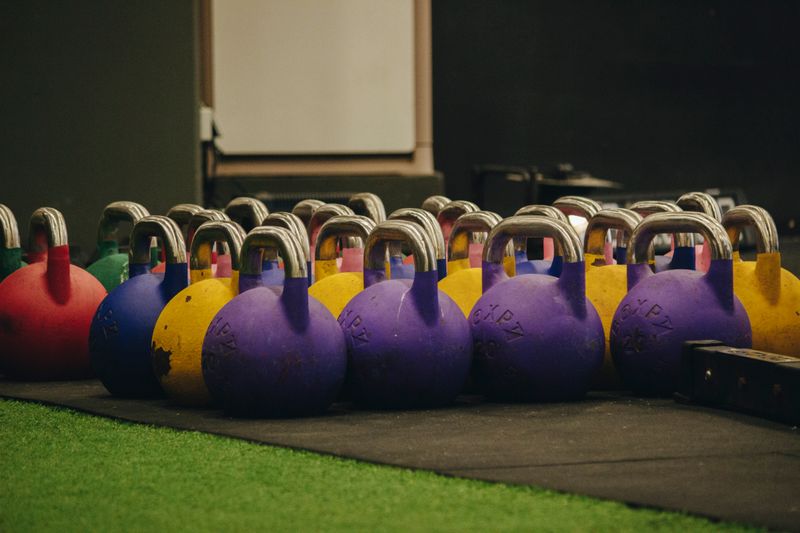
Home Gym Equipment: What to Buy First (and What to Skip)
A step-by-step buying order for home gym equipment, starting with adjustable dumbbells and a bench, with price ranges and the pieces most people buy too early.
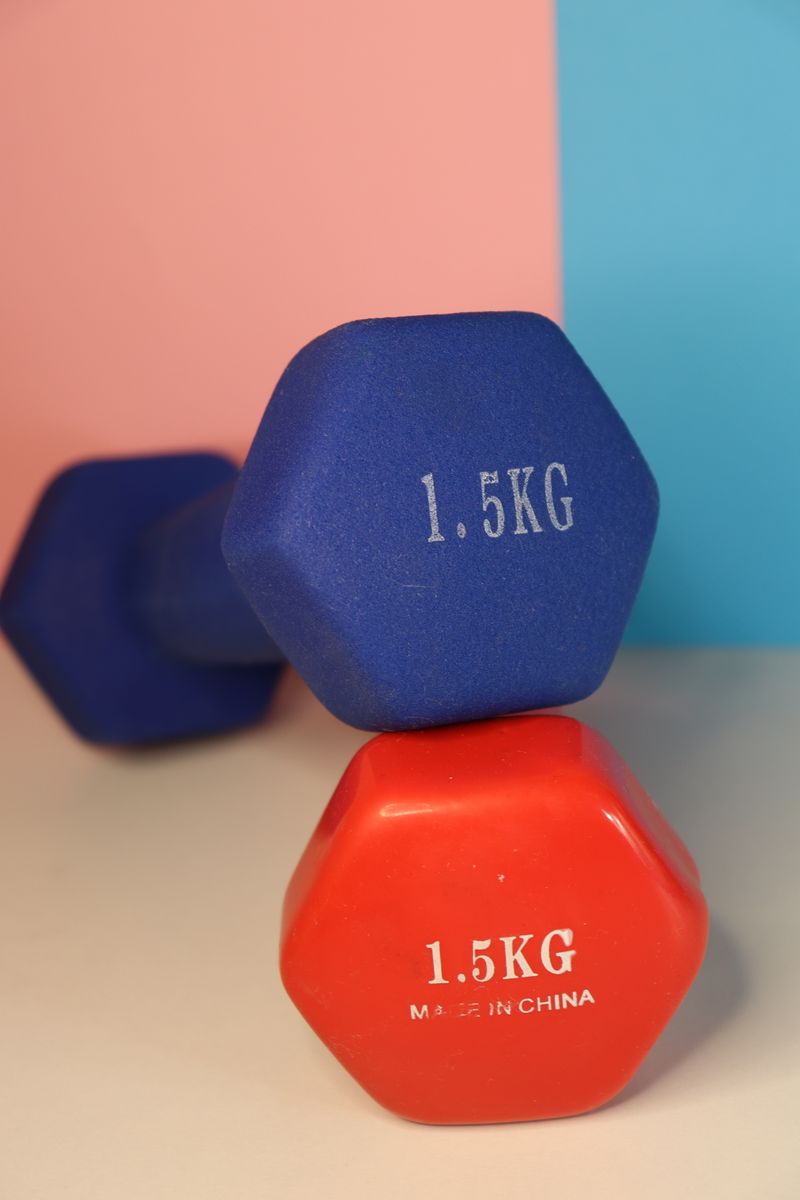
Building a Small-Space Home Gym for Under $500
Five hundred dollars buys a complete strength setup that fits a 6ft corner. The exact gear list, priority order, and real US prices.
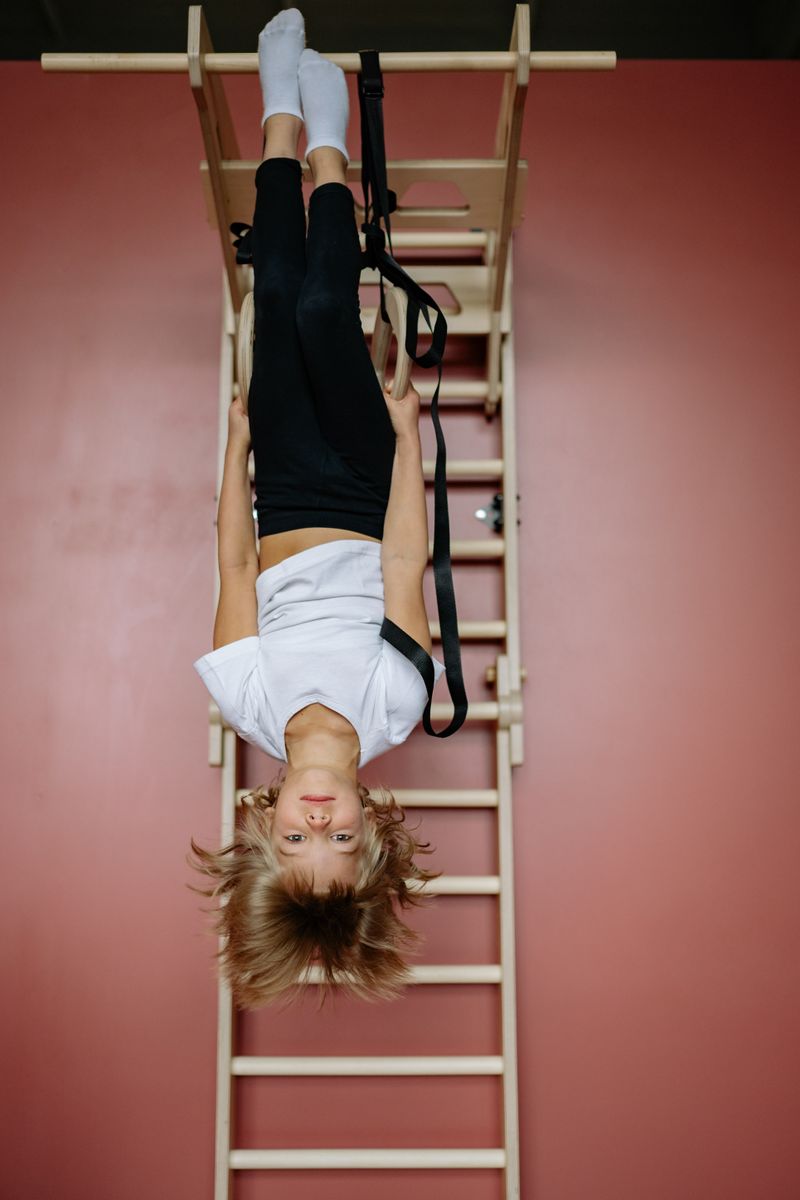
How to Set Up a Home Gym in a Corner
A step-by-step plan to build a complete home gym in one corner: measuring, flooring, the anchor bench, weights, wall storage and a movement-friendly layout, with US prices.
📖 All articles on Gym4Home →
Browse our other articles