Home Gym Injury Prevention: What Actually Keeps You Safe
This article may contain affiliate links. If you make a purchase through these links, we may earn a small commission at no extra cost to you. This helps us keep creating free content.

Roughly half of home gym injuries trace back to two avoidable things: lifting too heavy too soon, and a cluttered space with poor footing. Working out alone at home removes the spotter and the coach who would normally catch those mistakes, so the responsibility shifts to your setup and your habits. The payoff for getting it right is years of uninterrupted training instead of a cycle of strains and restarts.
Set up a space that does not trip you
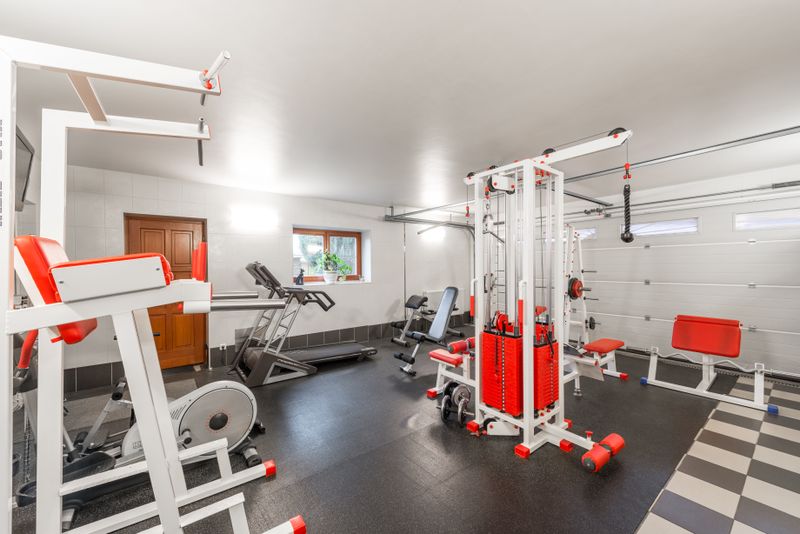
A safe home gym starts with clear floor and stable footing. You need enough room to fully extend a barbell or swing a kettlebell without clipping a wall, a lamp, or your own shins. Loose cables, slippery tile, and a rug that slides are all common culprits behind falls. Lay down rubber flooring or interlocking mats for grip and impact protection, and keep a defined training zone that stays free of clutter.
Lighting matters more than people expect. Squinting in a dim garage corner hides a foot that is too close to a weight stack or a plate left where you will step on it. Aim for bright, even light over your training area so you can see your footing and check your form in a mirror without strain.
Warm up the joints you are about to load
Fit Simplify Resistance Bands Set
Five resistance levels in a kit that fits in a drawer, gentle on the joints and ideal to start with.
* Affiliate link. We may earn a commission at no extra cost to you.
Cold joints under load are where most home strains begin. Five to ten minutes of gentle movement raises tissue temperature and primes the exact joints you will work. Skip the static stretching before lifting. It does little for injury prevention and can briefly reduce power. Instead, move the joints through their range under no load, then do a light set of the day's first exercise.
A simple warm-up rule works for almost any session. Do a few minutes of easy cardio to raise your heart rate, then two light ramp-up sets of your first lift at roughly half your working weight. This wakes up the movement pattern and lets you catch any tweak before it matters.
Progress load slowly and on purpose
Adding weight faster than your tendons can adapt is the classic home gym mistake. Muscles strengthen in weeks, but tendons and ligaments take months, so a number that your muscles can lift may still overload the connective tissue. A small, steady climb beats aggressive jumps every time.
| Body area | Common over-load injury | Safer weekly progression |
|---|---|---|
| Lower back | Strain from rounded deadlifts | Add 5 lb only when form holds |
| Shoulders | Impingement from heavy pressing | Add 2.5 lb, keep blades set |
| Knees | Tendon pain from deep squats | Increase depth before weight |
| Elbows | Tendinopathy from grip overload | Vary grip, rest 48 hours |
Follow a loose two-and-a-half to five pound weekly rule on the big lifts and even smaller jumps on pressing. If a joint complains, hold the weight steady for a week rather than pushing through. Progress that you can sustain for a year outruns progress that breaks down in a month.
Respect joint-specific warning signs
Sharp, localized pain in a joint is a different signal from the broad ache of worked muscle. Muscle soreness spreads across a region and eases within a couple of days. Joint pain pinpoints to one spot, often feels sharp or pinching, and tends to get worse with the same movement. The first is normal training. The second is a request to back off.
Older adults and anyone with prior injuries should give those signals extra weight. Many people find that swapping an aggravating exercise for a gentler variation solves the problem without losing training time. A barbell back squat that hurts a shoulder can become a goblet squat, and a flat bench that pinches can become a slight incline with dumbbells.
Build recovery into the plan, not around it
Recovery is where the body actually gets stronger, and skipping it is a slower path to injury than any single bad rep. Training the same muscles hard on back-to-back days never gives tissue time to repair, and the accumulated fatigue is where form falls apart. Most beginners do well with three full-body sessions a week spaced with rest days between them.
Sleep and food carry more of the recovery load than any supplement. Seven to nine hours of sleep and enough protein give your body the raw materials to rebuild. When life cuts your sleep short, treat that as a cue to lighten the session rather than power through at full load, because tired training is sloppy training.
Check your equipment, not just yourself
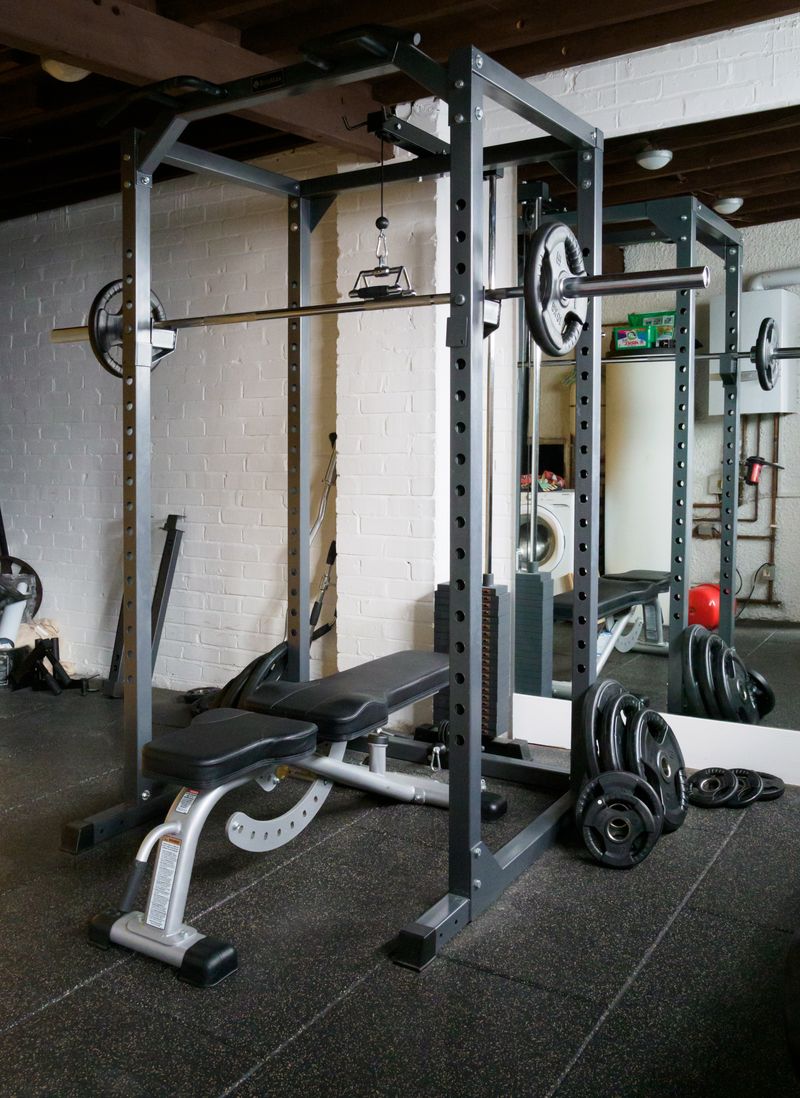
Failing gear causes a share of home injuries that has nothing to do with technique. A dumbbell plate that slides off a loose collar, a band that snaps from a hidden nick, or a bench bolt that has worked loose can all hurt you mid-rep. Home equipment gets less maintenance than commercial gear precisely because nobody is paid to inspect it, so the job falls to you.
Build a quick equipment habit into your routine. Check collars and pins before every set with a loaded bar. Look bands over for nicks and fraying every few weeks, because a band under tension stores a lot of energy and fails toward your face. Tighten bench and rack bolts monthly, and replace anything cracked rather than nursing it along. None of this takes long, and it removes a whole category of avoidable accidents.
A short pre-session safety checklist
Running through a few checks before each session catches most problems before they happen. It takes under a minute and becomes automatic quickly.
- Floor clear of plates, cables, and clutter, with stable footing underfoot.
- Equipment checked: collars on the bar, bolts tight, bands free of nicks.
- Warm-up done, including two light ramp-up sets of the first lift.
- Safety arms set if lifting heavy alone, or dumbbells chosen instead.
- Water and phone within reach in case you need to stop or call someone.
None of this is dramatic, and that is the point. Home gym safety is a stack of small, dull habits that quietly keep you training while flashier lifters nurse strains. Protect the floor, warm the joints, climb load slowly, and listen when a joint speaks up, and injuries stop being the thing that derails your year.
Do I need a spotter at home? Not for most beginner training. Dumbbells can be dropped safely to the sides, and a rack with adjustable safety arms catches a failed barbell rep. Reserve true maximal barbell lifts for when you have those safety arms in place.
Is soreness a sign I am building muscle? Mild soreness is normal, especially early on, but it is not a scorecard. Lasting or severe soreness means you overdid the dose. You can build strength steadily with very little soreness once your body adapts to the routine.
Should I stretch before lifting? Long static stretches before a session can briefly reduce power and do little for injury prevention. Use gentle movement through the joint range plus light ramp-up sets instead, and save longer stretching for after training or separate sessions.
What if I have an old injury? Work around it with gentler variations and lighter loads, and stop any movement that aggravates the specific spot. Persistent or worsening pain in a known problem area is worth a conversation with a doctor or physio rather than a heavier weight.
🛠️ Free tools for this topic
No sign-up. They do the calculating and checking for you.
Published by the Gym4Home editorial team. Published September 21, 2026.
Editorial responsibility: see Imprint.
Spotted an error or have something to add? corrections@gym4home.com
Home Gym Tips, Weekly
Equipment picks, workout ideas, and setup guides — for every space and every budget. No fluff, just useful.
🎁 Free bonus: The Home Gym Starter Checklist (PDF)
You might also like
Soreness After a Workout: What Is Normal and What Isn't
How to tell normal post-workout muscle soreness (DOMS) from a real warning sign, plus what actually helps you recover.

How to Set Home Gym Goals You'll Actually Stick To
A practical framework for setting home gym goals you'll keep: outcome vs process goals, making them specific and time-bound, scheduling them, and tracking progress without burning out.
12 Home Gym Mistakes Beginners Make (And How to Avoid Them)
The twelve most common home gym beginner mistakes, from over-buying gear to skipping floor protection, with a simple fix for each.
📖 All articles on Gym4Home →
Browse our other articles