Home Gym vs Gym Membership: Which Is Worth It?
This article may contain affiliate links. If you make a purchase through these links, we may earn a small commission at no extra cost to you. This helps us keep creating free content.

A mid-range commercial gym membership runs $40 to $70 a month in the US, which adds up to roughly $600 to $840 a year before any signup or annual fee. A starter home gym with adjustable dumbbells, a bench, and a few bands costs $400 to $900 once, and then nothing. The math turns in favour of the home setup somewhere around month eight to fourteen, depending on what you buy.
That payback point is the heart of this decision, but it is not the whole story. A membership you actually use beats a home rack you walk past on the way to the kitchen. Where you train depends on your space, your schedule, your training style, and how much friction you can tolerate between deciding to work out and starting.
The cost comparison over three years
Spreading both options over 36 months shows the gap clearly. A membership has no large upfront cost but never stops billing. A home gym front-loads the spend, then coasts. Maintenance on home equipment is close to zero for free weights, slightly higher if you buy a treadmill or cable machine with moving parts.
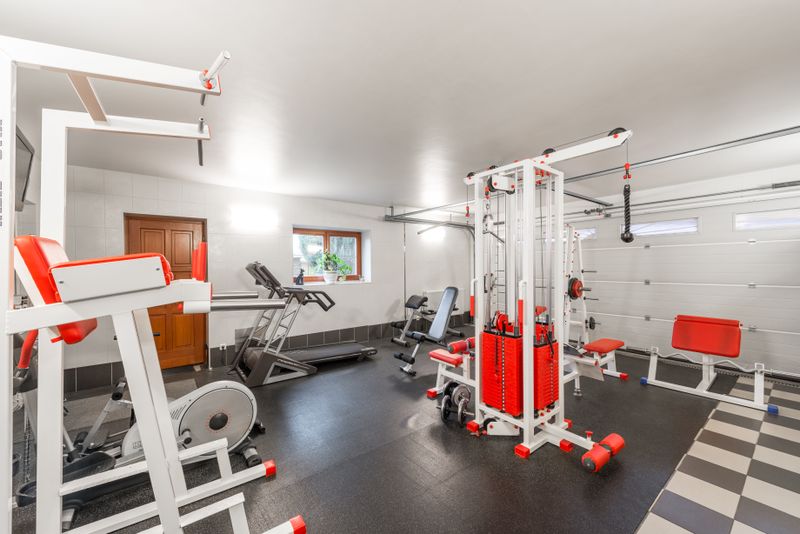
Here is how a typical beginner setup compares with a standard membership across three years. Prices are approximate US retail and vary by brand and sales.
| Cost item | Gym membership | Home gym (beginner) |
|---|---|---|
| Upfront | $0 to $50 signup | $400 to $900 |
| Monthly | $40 to $70 | $0 |
| Year 1 total | $530 to $890 | $400 to $900 |
| 3-year total | $1,490 to $2,570 | $450 to $1,000 |
| Travel/fuel | $10 to $40/month | $0 |
Over three years the home gym saves roughly $1,000 to $1,500 for most beginners, and more once you factor in fuel and time. The catch is that those savings only land if the equipment gets used. Idle gear is the most expensive fitness purchase there is.
Where a home gym clearly wins
Fit Simplify Resistance Bands Set
Five resistance levels in a kit that fits in a drawer, gentle on the joints and ideal to start with.
As an Amazon Associate we earn from qualifying purchases.
Convenience is the home gym's strongest card. The trip from your bedroom to a corner rack is thirty seconds, not a twenty-minute drive plus parking. That removed friction is why home trainers often stay consistent through winter, busy work weeks, and the early-morning slots when no commercial gym is open or appealing.
Privacy matters more than people admit, especially for beginners and for anyone past 50 who feels out of place among grunting twenty-somethings. At home you set the music, skip the queue for the squat rack, and learn new movements without an audience. You also never share equipment, so there is no sanitising someone else's sweat off a bench.
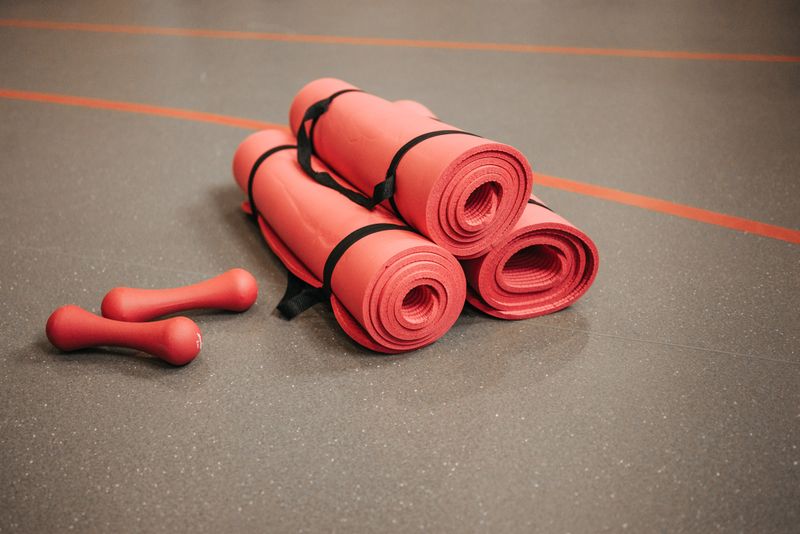
Time efficiency stacks on top. A 30-minute home session has no commute, no waiting for machines, and no locker-room overhead. For a parent with a sleeping child upstairs or a shift worker training at odd hours, that flexibility is often the difference between training and skipping.
Where a membership still earns its fee
Equipment variety is the membership's real advantage. A commercial floor gives you leg press, cable stacks, a full dumbbell rack to 50 kg, rowers, and a pool, none of which fit in a spare room. If you regularly use that range, or you are chasing serious barbell numbers that need a calibrated rack and bumper plates, the gym delivers what a $600 home corner cannot.
The social pull is real too. Some people simply train harder around others, and a paid membership creates a small sunk-cost nudge to show up. Classes, a coach down the hall, and the clear mental separation between home and training space all help certain personalities stay accountable in ways a garage never will.
How your training goal changes the answer
General fitness and fat loss tilt hard toward home. Bodyweight work, bands, adjustable dumbbells, and a bench cover strength, conditioning, and mobility for the vast majority of people who just want to look and feel better. You will never run out of progressions at this level inside a $700 setup.
Powerlifting, Olympic lifting, and bodybuilding past intermediate level lean toward a gym, or toward a much pricier home build with a rack, barbell, and 150 kg of plates that runs $1,500 and up. If your goal needs a leg press and a 60 kg dumbbell, pay for the membership until your numbers and your budget justify the bigger home investment.
The hybrid most beginners overlook
Running a cheap home setup alongside a budget membership often beats choosing one. A $30 doorway pull-up bar, a $40 band set, and a pair of adjustable dumbbells handle the days you cannot get out, while a $10-to-$15-a-month no-frills chain covers the heavy barbell and machine work. Total cost stays under most single mid-tier memberships.
This combination removes the usual excuse on both sides. Bad weather or a packed schedule no longer kills the session, because the corner setup is right there. Big compound lifts that need a real rack still have a home, because the cheap membership is waiting. For many beginners this is the most consistency per dollar available.
Space and noise: the constraints that decide it for many
A home gym only works if you have somewhere to put it that you will actually use. A spare 30 to 40 square feet in a corner, a single bay of a garage, or even the foot of a bed is enough for dumbbells, a bench, and bands. The trap is buying a treadmill or rack for a flat with no room, where it ends up blocking a doorway and getting resented.
Noise is the other quiet dealbreaker, especially in apartments and upstairs rooms. Dropping loaded dumbbells onto a hard floor at 6am will not win you any friends downstairs. Rubber mats at $20 to $60, slower controlled reps, and choosing bands or adjustable dumbbells over heavy plates keep the setup neighbour-friendly. A commercial gym sidesteps this entirely, which is a real point in its favour for thin-walled flats.
Storage shapes the decision too. Gear that folds or stacks away keeps a shared living space usable between sessions, while a fixed power rack claims its footprint permanently. Adjustable dumbbells and a folding bench tuck into a closet, which is why they suit small homes far better than a sprawling rack does.
The membership sticker price hides extras. Many chains add a $30 to $60 annual maintenance fee, charge for classes, and lock you into a contract with a cancellation penalty. Fuel or transit to get there, and the value of the 30 to 60 minutes a round trip eats, are real costs even though they never appear on the invoice. Over a year these can add 20 to 30 percent on top of the headline rate.
Home gyms have their own quiet extras. Flooring, a mat, the odd replacement band, and the occasional upgrade as you get stronger all add up, though they stay modest. The largest hidden cost is the gear you buy with enthusiasm and never use, which is why starting small and adding only what you have outgrown beats kitting out a full studio on day one. Buy the next piece only when the current setup clearly limits you.
Resale softens the home gym risk in a way memberships cannot match. Cast-iron dumbbells, kettlebells, and quality benches hold value well, so even if you stop training you can recover a large share of the spend secondhand. A cancelled membership returns nothing. That asymmetry is worth keeping in mind when the upfront cost of building a home setup feels intimidating next to a low monthly fee.
Making the decision
Choose a home gym if you value convenience, train mostly for general strength and fitness, have a corner or a spare 30 square feet, and have proven you will train without a building full of people watching. The three-year savings are real and the consistency tends to be higher.
Choose a membership if you need heavy barbells, machines, or a pool, if the social environment is what gets you moving, or if you are still establishing the habit and want zero upfront risk. And if you cannot decide cleanly, start with a $100 minimal home kit plus a budget membership, then drop whichever one you stop using after three months.
🛠️ Free tools for this topic
No sign-up. They do the calculating and checking for you.
Published by the Gym4Home editorial team. Published August 17, 2026. Updated October 4, 2026.
Editorial responsibility: see Imprint.
Spotted an error or have something to add? corrections@gym4home.com
Home Gym Tips, Weekly
Equipment picks, workout ideas, and setup guides — for every space and every budget. No fluff, just useful.
🎁 Free bonus: The Home Gym Starter Checklist (PDF)
You might also like
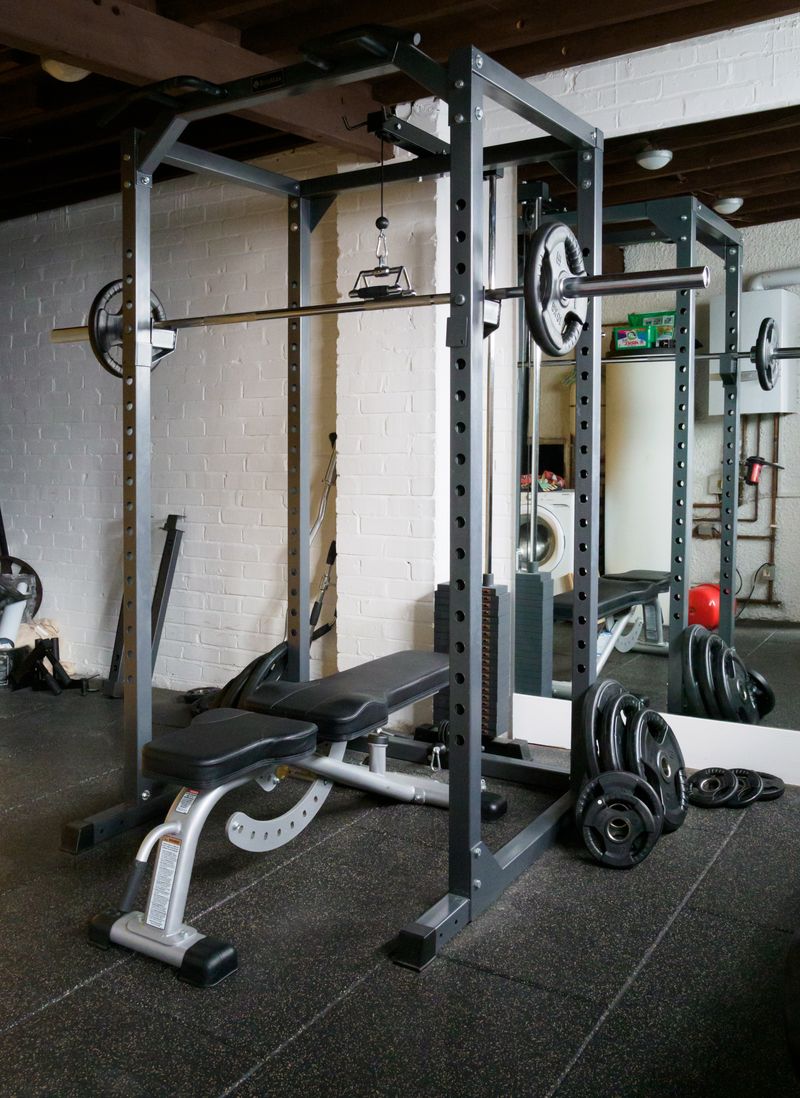
Soreness After a Workout: What Is Normal and What Isn't
How to tell normal post-workout muscle soreness (DOMS) from a real warning sign, plus what actually helps you recover.
Home Gym Equipment: What to Buy First (and What to Skip)
A step-by-step buying order for home gym equipment, starting with adjustable dumbbells and a bench, with price ranges and the pieces most people buy too early.
Pull-Up Bar: Doorframe vs Wall-Mounted Compared
A side-by-side comparison of doorframe and wall-mounted pull-up bars on price, install steps, weight limits, door width, and home damage, with a clear recommendation and US prices.
📖 All articles on Gym4Home →
Browse our other articles