Home Gym Workout Music and Motivation Tips
This article may contain affiliate links. If you make a purchase through these links, we may earn a small commission at no extra cost to you. This helps us keep creating free content.
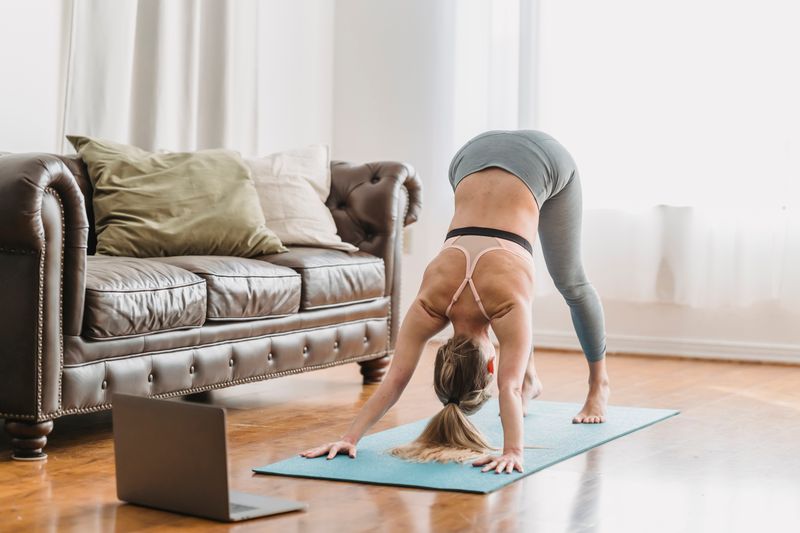
Music with a tempo of 120 to 140 beats per minute matches the pace of most strength training and lifts perceived effort off your shoulders, which is why a good playlist can be the difference between a real session and a half-hearted one. Training alone at home removes the energy of a packed gym floor, so the audio and the environment you build have to supply that drive instead.
Motivation at home is mostly an environment problem, not a willpower problem. The people who train consistently in a spare room or garage have usually removed friction and added cues that make starting easy, rather than relying on feeling fired up every single day.
Why tempo and volume matter
Faster tracks suit explosive work and conditioning, while slightly slower, heavier tracks suit grinding strength sets. For cardio and circuits, aim for 130 to 150 BPM to keep your pace up. For heavy lifting, many people prefer aggressive lower-tempo music that builds tension before a big set rather than rushing it.
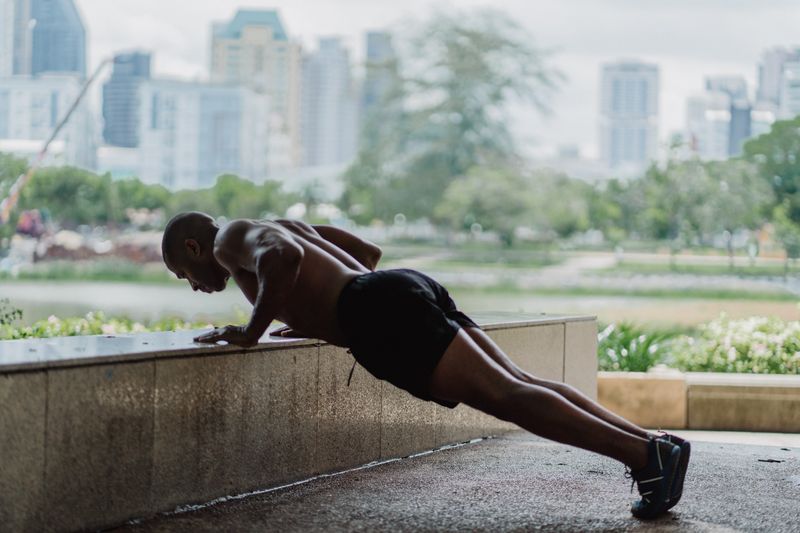
Volume plays a role too, within reason. Louder music raises arousal and can boost output on tough sets, which is part of why commercial gyms run it loud. At home you are limited by neighbours and family, so a decent pair of over-ear headphones often does more for focus than cranking a speaker you have to keep turning down.
Building playlists that actually work
Retrospec Solana Thick Exercise Mat (1/2 in)
A thick, non-slip mat makes floor work and stretching comfortable on the joints.
As an Amazon Associate we earn from qualifying purchases.
Match the playlist to the session, not your general taste. A leg day grind and a light mobility flow need different energy, so keep two or three lists ready. One high-tempo list for conditioning, one heavy list for big lifts, and one calmer list for warm-ups and stretching covers almost everything.
Front-load your favourite tracks. The hardest moment is the first five minutes, when stopping is easiest, so put the songs that lift you most at the very start. Once you are moving and warm, momentum carries you through the middle of the playlist where the standard tracks live.
| Session type | Target BPM | Feel |
|---|---|---|
| Warm-up / mobility | 90 to 110 | Steady, calm |
| Strength / heavy lifts | 110 to 130 | Aggressive, building |
| Circuits / conditioning | 130 to 150 | Fast, driving |
| Cool-down | 70 to 90 | Relaxed |
Gear that improves the home audio setup
A sweat-resistant pair of headphones is the single best audio purchase for a home gym, because heavy lifting and earbuds that slip out do not mix. Over-ear models with an IPX4 rating run about $40 to $120 in approximate US retail and stay put while keeping family noise out. True-wireless sports earbuds at $30 to $100 suit conditioning and bodyweight work where you move more.
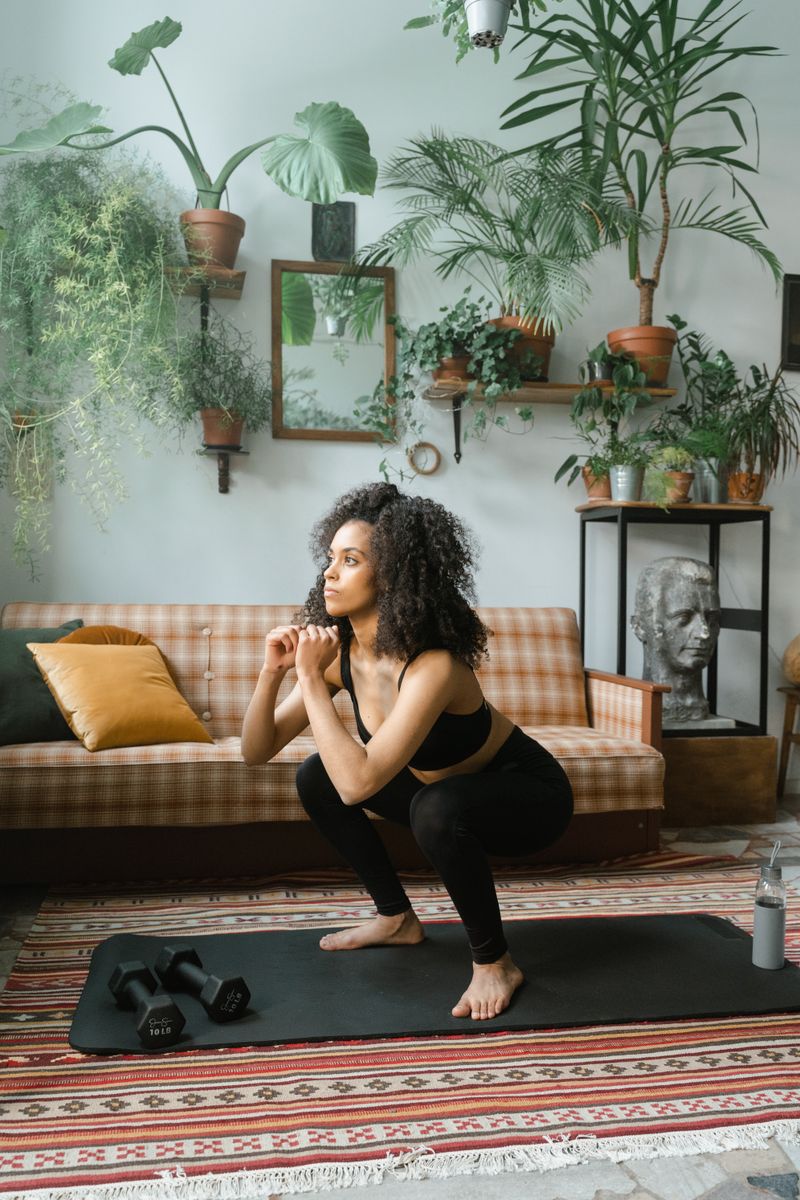
If headphones are not your style, a small Bluetooth speaker at $30 to $80 fills a garage or spare room fine. Mount it or place it off the floor so the bass does not travel through the house. For apartments, headphones almost always win, since a speaker that motivates you will likely annoy a neighbour below.
Motivation tactics beyond music
Lower the barrier to starting. Lay your kit out the night before, keep the bell and mat visible rather than packed away, and set a rule that you only have to start a five-minute warm-up. Most days, once you are warm and the music is on, you finish the full session anyway.
Anchor training to something you already do. Working out right after the morning coffee or straight after work, in the same slot every day, turns it into a habit that no longer needs a decision. Streak tracking on a wall calendar or a simple app adds a small but real pull to keep the chain unbroken.
Podcasts, audiobooks, and silence as alternatives
Music is not the only option, and for some sessions it is not the best one. Long, steady cardio like incline walking or easy cycling pairs well with a podcast or audiobook, where the goal is to pass time rather than spike intensity. Pairing a show you only allow yourself during cardio turns the session into something you look forward to, which is a strong consistency trick.
Heavy strength work usually calls for music, not talk, because spoken words pull focus away from the lift. For the few minutes of a tough set you want rhythm and energy, not a narrator. Silence has a place too. Training your breathing and bracing without any audio sharpens focus on form, which is useful when you are learning a new movement and need to feel what your body is doing.
Setting up the space for momentum
A few environmental tweaks raise output as much as any playlist. Good lighting wakes you up, a fan keeps you cool enough to push, and a mirror lets you check form and adds a small accountability nudge. A clutter-free corner where the gear is set up and waiting removes the friction of digging it out, which is often what kills an early-morning session.
Keep the audio gear charged and within reach so you are not hunting for headphones while your warm-up cools off. A small dock or hook by the equipment for your phone and headphones means the music starts within seconds of walking in. The smoother that first minute is, the more reliably you actually train, because every extra step between deciding and starting is a chance to talk yourself out of it.
Keeping it fresh over months
Playlists go stale, and a list you have heard fifty times stops doing its job. Refresh a third of your tracks every few weeks so the high points still hit. Saving new songs the moment they grab you, then sorting them into the right BPM list later, keeps a steady supply coming without effort.
Vary the sessions themselves as well. The same routine in the same room drains motivation faster than any playlist can fix. Rotating between strength, conditioning, and mobility days, and occasionally training outdoors or following a video class, keeps the environment from feeling like a rut and keeps you coming back.
Reward and tracking close the loop on long-term motivation. Logging your sessions, whether in an app or a cheap notebook, turns vague effort into visible progress, and watching the weights and reps climb is its own pull to continue. Setting a small reward after a run of consistent weeks, like new headphones or a piece of gear you have wanted, gives the habit a finish line to aim at before the next block begins.
🛠️ Free tools for this topic
No sign-up. They do the calculating and checking for you.
Published by the Gym4Home editorial team. Published November 2, 2026.
Editorial responsibility: see Imprint.
Spotted an error or have something to add? corrections@gym4home.com
Home Gym Tips, Weekly
Equipment picks, workout ideas, and setup guides — for every space and every budget. No fluff, just useful.
🎁 Free bonus: The Home Gym Starter Checklist (PDF)
You might also like
Gym-in-a-Bag: Storing Home Equipment in Tight Spaces
How to store a complete home gym in tight spaces using a duffel bag, vertical hooks and under-bed bins, with a two-minute deploy rule.
A Home Core Workout With No Crunches (and Why That's Better)
A no-crunch core circuit you can do at home in 20 minutes, built on planks and carries that train real spinal stability.

How Many Sets and Reps Should You Do in a Home Gym?
How many sets and reps to do at home for strength, muscle, or endurance, with rest times, loading tips, and a sample beginner week.
📖 All articles on Gym4Home →
Browse our other articles