Leg Day at Home With No Machines: A Complete Routine
This article may contain affiliate links. If you make a purchase through these links, we may earn a small commission at no extra cost to you. This helps us keep creating free content.
Hinweis: Dieser Artikel ersetzt keine ärztliche Beratung. Besprich Trainingsfragen im Zweifel mit Arzt oder Physiotherapie.
Strong legs come from squatting, hinging, and lunging under load, none of which needs a leg press or a Smith machine. A pair of dumbbells, your own bodyweight, and a step or sturdy chair cover every muscle from glutes to calves. In a spare room or a garage corner, you can run a full leg session that leaves you sore in all the right places.
The challenge at home is loading the legs heavily enough. Your legs are strong, and bodyweight squats alone stop challenging them quickly. The fix is not always more weight; it is harder variations, slower tempos, and higher reps that drive the muscle close to failure. This routine uses all three so a modest set of dumbbells goes a long way.
The muscles a real leg day has to hit
A balanced leg day trains four jobs: knee extension (quads), hip extension (glutes and hamstrings), the hip hinge (hamstrings and lower back), and the calves. Squats and lunges cover the quads and glutes. A hinge movement like a Romanian deadlift covers the hamstrings, which the squat alone undertrains. Skipping the hinge is the single most common home leg-day mistake, and it shows up as flat hamstrings and a sore lower back from overusing it as a substitute.
Calves get their own work at the end because they recover fast and respond to volume. A few sets of standing raises, ideally off a step for a deeper stretch, finish the job.
The routine: sets, reps and rest
PowerBlock Elite EXP Adjustable Dumbbells
One pair replaces a whole rack and stores in the space of a shoebox.
* Affiliate link. We may earn a commission at no extra cost to you.
Work through the exercises in order. The big compound lifts come first while you are fresh, single-leg work in the middle, and isolation and calves at the end. Rest 90 seconds on the heavy compounds and 45 to 60 seconds on the rest.
| Exercise | Sets | Reps | Rest |
|---|---|---|---|
| Goblet squat | 4 | 10–15 | 90 sec |
| Romanian deadlift (dumbbell) | 4 | 10–12 | 90 sec |
| Bulgarian split squat | 3 | 8–12 each leg | 75 sec |
| Reverse lunge | 3 | 10 each leg | 60 sec |
| Glute bridge or hip thrust | 3 | 12–20 | 60 sec |
| Standing calf raise | 4 | 15–20 | 45 sec |
That is six movements and roughly 21 working sets. With brisk rest it runs about 35 to 45 minutes. If your knees grumble on deep squats, swap the goblet squat for a box squat to a chair, which controls the depth and protects the joint.
How to do the squat and the hinge
The goblet squat is the easiest loaded squat to learn. Hold a dumbbell vertically against your chest, stand a little wider than shoulder width, and sit down between your hips, keeping your chest up and the weight on your whole foot. Go as deep as you can while keeping your lower back flat. The front-loaded weight naturally pulls you into a good upright position, which is why it is gentler on the back than a barbell squat.
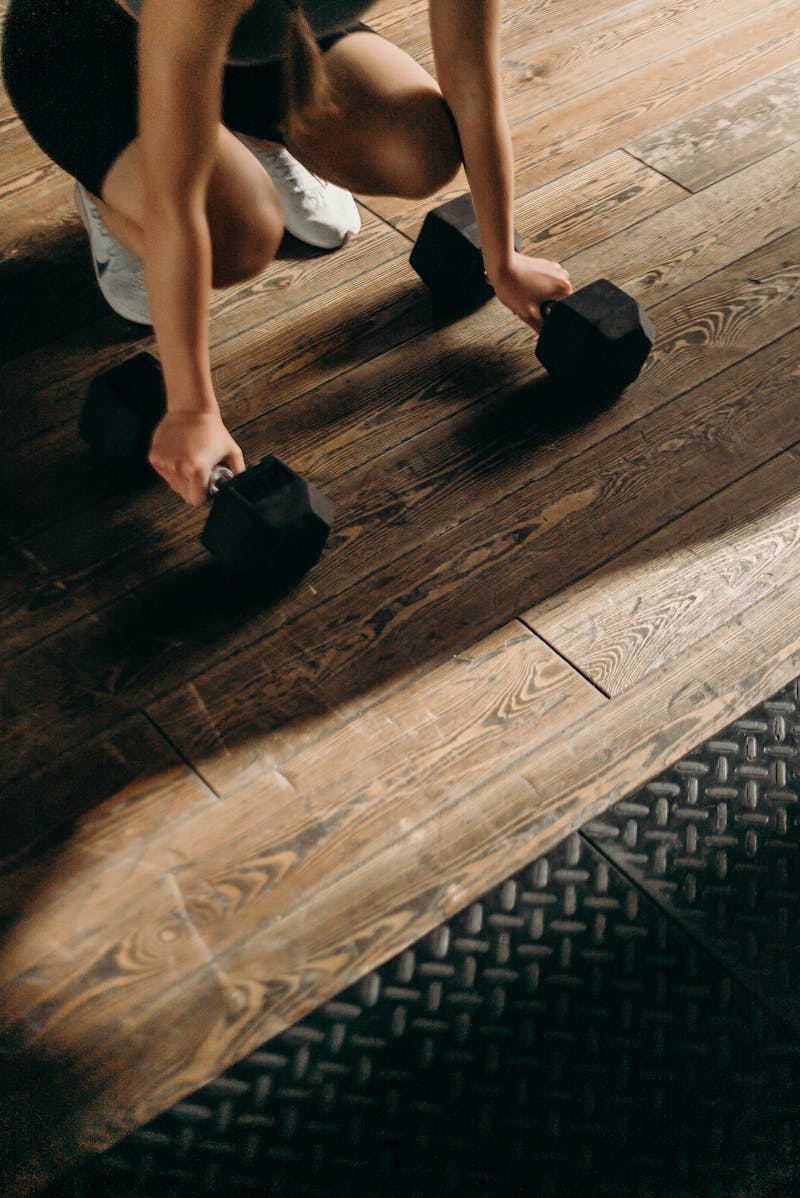
The Romanian deadlift is the hamstring movement most home lifters skip, and it is the one that fills out the back of the leg. Hold the dumbbells in front of your thighs, soft knees, and push your hips straight back as you lower the weights along your legs. You should feel a strong stretch in the hamstrings, not a bend in the lower back. Stop when the stretch maxes out, usually around knee height, then drive your hips forward to stand. Keep the dumbbells close to your body the whole way.
Single-leg work and why it matters
The Bulgarian split squat is the closest thing to a leg press you have at home. Stand a stride in front of a bench or chair, rest the top of your back foot on it, and lower straight down until your front thigh is about parallel to the floor. Most of the load goes through the front leg. It exposes side-to-side strength gaps that two-legged squats hide, and it loads the quad and glute hard with only light dumbbells, which suits an apartment where heavy weights are impractical.
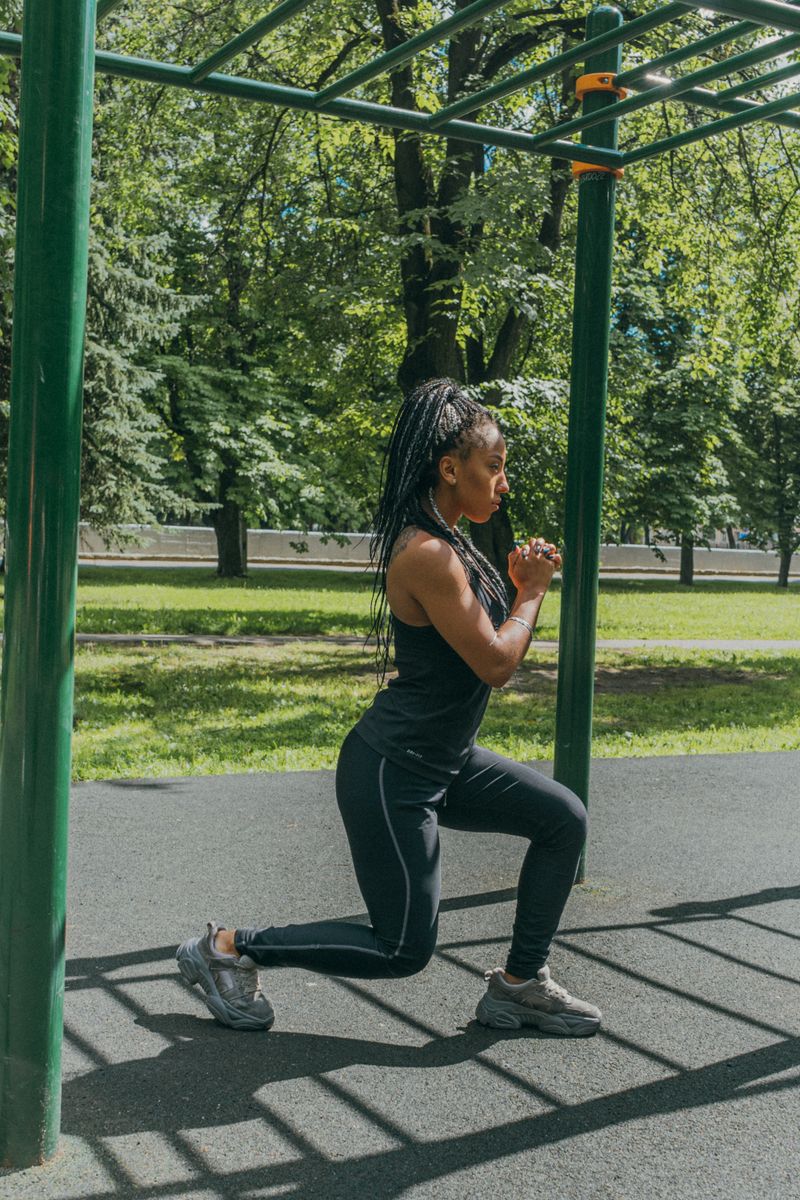
Reverse lunges are easier on the knees than forward lunges because you step back into them with more control. They also build single-leg strength and balance. Hold a dumbbell in each hand, step back, drop the back knee toward the floor, and push through the front heel to return. Keep your torso tall throughout.
Finishing with glutes and calves
The glute bridge and hip thrust target the glutes more directly than any squat, because they load hip extension at the exact point where the glutes are strongest. For the bridge, lie on your back with knees bent and drive your hips up until your body forms a straight line from shoulders to knees, squeezing the glutes hard at the top. To load it, rest a dumbbell across your hips. To make it harder still, prop your upper back on a couch or bench and turn it into a hip thrust, which adds range and lets the glutes work through a longer stretch.
Calves close out the session because they are stubborn and recover quickly, so they tolerate frequent volume. Stand with the balls of your feet on a step and your heels hanging off, then rise as high as you can and lower until you feel a stretch below the calf. The full range off a step beats flat-floor raises, where you never reach a real stretch. Hold a dumbbell in one hand and the wall in the other for balance and added load. A one-second pause at the top makes light weight feel much harder.
Progression, soreness and a sample week
Progress by adding reps first, then weight. When you hit the top of a rep range on every set, add a small jump in load next time. On single-leg moves, you can also add a pause at the bottom or slow the lowering phase to three seconds, which makes a light dumbbell feel much heavier without buying more plates.
One hard leg day a week is enough for most people building strength alongside a busy life, and two works well if you can recover. Expect real soreness for the first couple of weeks, especially from the Romanian deadlifts and split squats. It eases as your legs adapt. Walking, light cycling, and staying hydrated on the day after speed up recovery more than sitting still does.
Frequently asked questions
Can I really train legs hard without machines? Yes. Squats, Romanian deadlifts, and split squats hit every major leg muscle, and pushing them close to failure drives growth the same way a machine would. The only thing you lose is the very top-end heavy loading, which higher reps and single-leg variations make up for.
How often should I do leg day at home? Once or twice a week, with at least 48 hours between sessions. Legs are large muscles that recover well, but they also work hard daily just walking, so more is not automatically better.
My knees hurt when I squat. What can I do? Squat to a chair or box to control your depth, keep your weight on your whole foot, and don't let the knees cave inward. Lighter, higher-rep sets are usually kinder to the joint than heavy low reps. If pain persists, see a doctor or physio before pushing on.
How heavy should my dumbbells be for legs? Legs are strong, so you will want more weight here than for upper-body work. A pair running up to 50 pounds per hand covers goblet squats and Romanian deadlifts for a long time. Single-leg moves like split squats need far less, often 15 to 30 pounds, because one leg carries the load.
Will this build bigger legs or just tone them? Training close to failure with progressive overload builds muscle regardless of the equipment. The word tone just describes muscle that has grown a little and sits under less fat. To add real size, push the rep ranges in the table, add load over time, and eat enough protein and total calories to support growth.
🛠️ Free tools for this topic
No sign-up. They do the calculating and checking for you.
Published by the Gym4Home editorial team. Published August 5, 2026. Updated August 18, 2026.
Editorial responsibility: see Imprint.
Spotted an error or have something to add? corrections@gym4home.com
Home Gym Tips, Weekly
Equipment picks, workout ideas, and setup guides — for every space and every budget. No fluff, just useful.
🎁 Free bonus: The Home Gym Starter Checklist (PDF)
You might also like
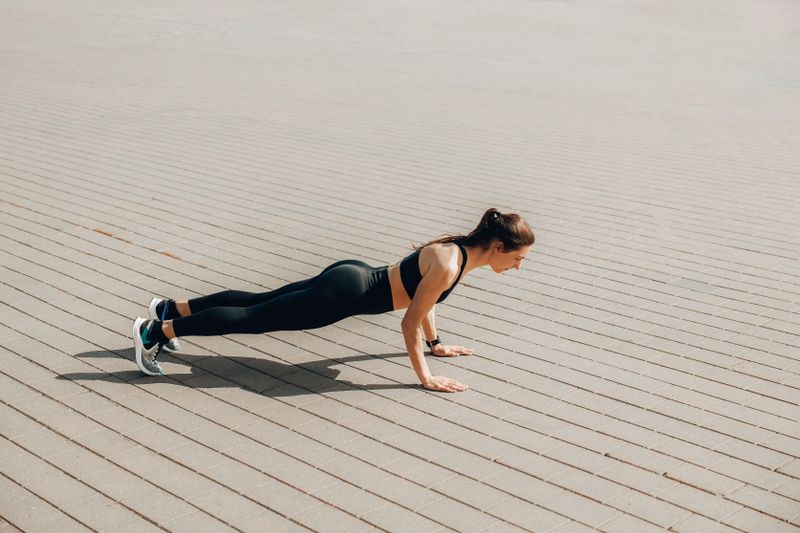
A 4-Week Bodyweight Workout Plan for Total Beginners
A four-week, no-equipment bodyweight plan with sets and reps that ramps from total beginner to harder variations in five simple movements.
Dumbbell Upper-Body Workout at Home: A Full Routine
A complete upper-body dumbbell routine for home, with a sets-and-reps table, form cues for every lift, and a simple progression plan.
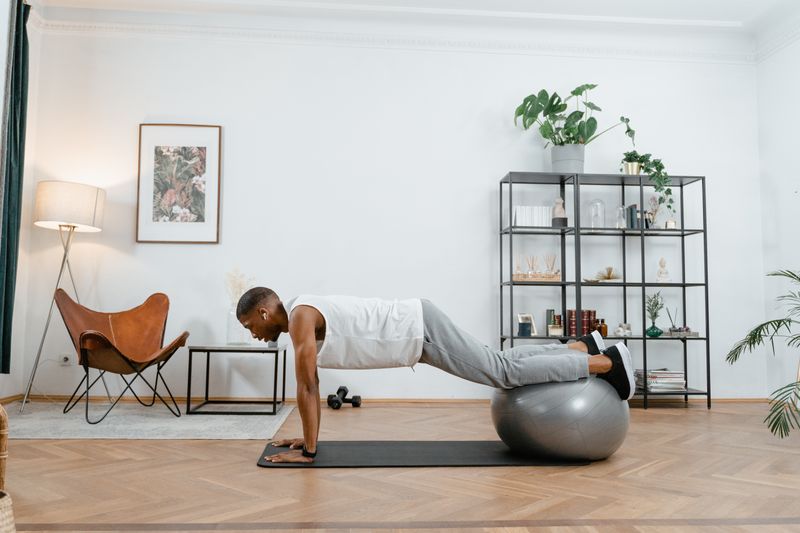
The Upper/Lower Split for a Home Gym (4-Day Plan)
A complete 4-day upper/lower split for a home gym, with sets-and-reps tables for upper and lower days and a plan to progress over time.
📖 All articles on Gym4Home →
Browse our other articles