Nutrition Basics for Home Gym Beginners: Eat to Match Your Training
This article may contain affiliate links. If you make a purchase through these links, we may earn a small commission at no extra cost to you. This helps us keep creating free content.
Protein is the one nutrition lever that matters most for anyone who has started training, and most beginners eat far too little of it. You can train hard four times a week, but without enough protein your muscles cannot rebuild, and you get a fraction of the result for the same effort. Get protein right and the rest of nutrition becomes simple adjustments around that anchor.
Nutrition for a beginner does not require a meal plan, a kitchen scale, or cutting out food groups. It comes down to three decisions: how much protein you eat, whether your total calories match your goal, and how steady your energy is around training. The sections below cover each in plain terms, with real numbers you can apply tonight.
Protein: the number that drives muscle
Aim for roughly 0.7 to 1 gram of protein per pound of bodyweight per day. For a 160-pound person that is about 110 to 160 grams. This is the range research links to building and keeping muscle while training, and it is the single most impactful change a new lifter can make to their diet.
Spread protein across the day rather than loading it all at dinner. Your body uses it more effectively in 20 to 40 gram portions at each meal. A practical target is a palm-sized portion of a protein food at breakfast, lunch, and dinner, plus a snack if you are short. Chicken, eggs, Greek yogurt, fish, lean beef, tofu, beans, and lentils all count.
| Protein source | Approx. protein | Notes |
|---|---|---|
| Chicken breast (100g) | ~31g | Lean, cheap, versatile |
| Greek yogurt (170g) | ~17g | Easy breakfast or snack |
| Two large eggs | ~12g | Affordable, filling |
| Canned tuna (1 can) | ~25g | No-cook, shelf-stable |
| Lentils (1 cup cooked) | ~18g | Plant-based, high fibre |
| Whey protein (1 scoop) | ~24g | Convenient gap-filler |
Calories: match the number to your goal
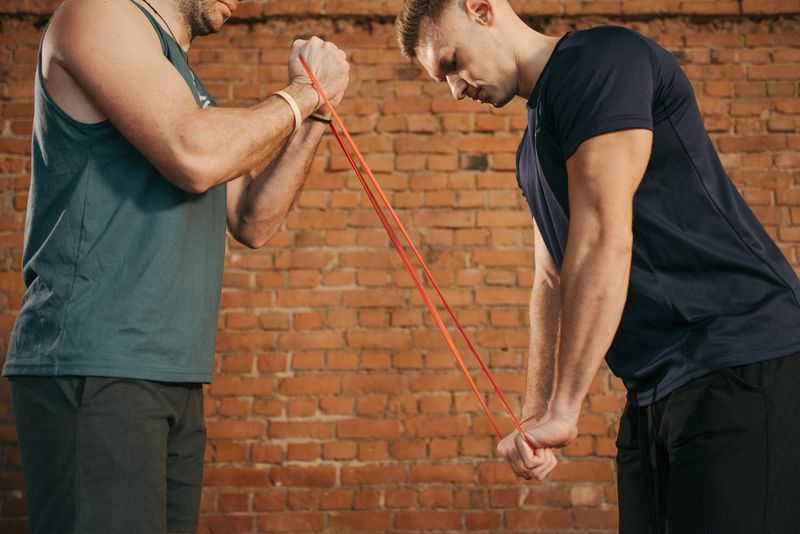
Fit Simplify Resistance Bands Set
Five resistance levels in a kit that fits in a drawer, gentle on the joints and ideal to start with.
As an Amazon Associate we earn from qualifying purchases.
Your total daily calories decide the direction your body goes, regardless of how clean the food is. To lose fat, eat a little less than you burn. To build muscle, eat a little more. To stay roughly the same while improving body composition, eat around maintenance with high protein and let training do the reshaping.
You do not need to count every calorie forever. Track for a week or two to learn portion sizes, then steer by results. If you want fat loss and the scale and tape measure are not moving over two to three weeks, eat a bit less. If you want muscle and the scale is flat, eat a bit more. Adjust slowly, because aggressive swings backfire.
Carbs and fats: fuel, not the enemy
Carbohydrates fuel your training. They top up the glycogen in your muscles that powers hard sets, which is why heavy lifting feels flat on a very low-carb day. You do not need to fear carbs to lose fat; you need to fit them inside your calorie target. Whole sources like oats, rice, potatoes, fruit, and whole grains keep you full and steady.
Fats handle hormone production and keep you satisfied between meals. Keep them moderate rather than minimal, leaning on sources like olive oil, nuts, avocado, eggs, and oily fish. After protein is set and calories are in the right ballpark, the exact carb-to-fat split is mostly personal preference. Eat the ratio that keeps your energy and hunger comfortable.
Timing and hydration around training
Meal timing matters far less than total daily intake, so do not stress over eating in a narrow window after a workout. The old idea of a 30-minute anabolic window has been overstated. What helps is having protein in the hours before and after you train, which for most people happens naturally with normal meals.
Hydration has a bigger day-to-day effect than most beginners expect. Even mild dehydration drops strength and makes sessions feel harder. Drink water across the day and have some during training. A rough gauge is pale-yellow urine; dark means you are behind. If you train fasted in the morning and feel weak, a small carb-and-protein snack beforehand usually fixes it.
A simple day of eating to copy
A concrete template removes the guesswork while you learn portions. For a 160-pound person aiming to build muscle, a day might run: breakfast of three eggs with oats and a banana, lunch of chicken breast with rice and vegetables, a Greek yogurt snack, and dinner of salmon or lean beef with potatoes and a salad. That lands around 130 to 150 grams of protein with steady carbs and fats, which covers the targets above without any tracking app.
For fat loss, the same structure works with smaller carb portions and leaner protein choices, trimming roughly 300 to 500 calories by cutting back on oils, rice, and snacks rather than skipping meals. Keep the protein high in both cases, because protein protects muscle whichever direction you are heading. Prep the protein in batches once or twice a week, since the most common reason beginners fall short is simply not having a protein source ready when hunger hits.
Frequently asked questions
Do you need supplements to see results? No. Whole food covers everything a beginner needs. Protein powder is a convenience and creatine offers a modest, proven edge, but neither is required to build muscle and lose fat at home.
Can you build muscle and lose fat at the same time? Beginners often can, a process called recomposition. Keep protein high, train consistently, and eat around maintenance. The scale may barely move while your body clearly changes, so judge by the tape measure and photos.
How many meals a day should you eat? Whatever fits your life and hits your protein and calorie targets. Three meals, four meals, or two meals plus snacks all work. Consistency over weeks beats any specific meal schedule.
Is eating clean enough on its own? Not quite. Clean foods make hitting your targets easier, but total protein and total calories still decide your results. You can stall on all-organic meals if the calories are wrong for your goal, and you can progress on simple, cheap foods if the protein and calorie numbers line up. Focus on the numbers first, then improve food quality as a second step.
🛠️ Free tools for this topic
No sign-up. They do the calculating and checking for you.
Published by the Gym4Home editorial team. Published October 7, 2026.
Editorial responsibility: see Imprint.
Spotted an error or have something to add? corrections@gym4home.com
Home Gym Tips, Weekly
Equipment picks, workout ideas, and setup guides — for every space and every budget. No fluff, just useful.
🎁 Free bonus: The Home Gym Starter Checklist (PDF)
You might also like
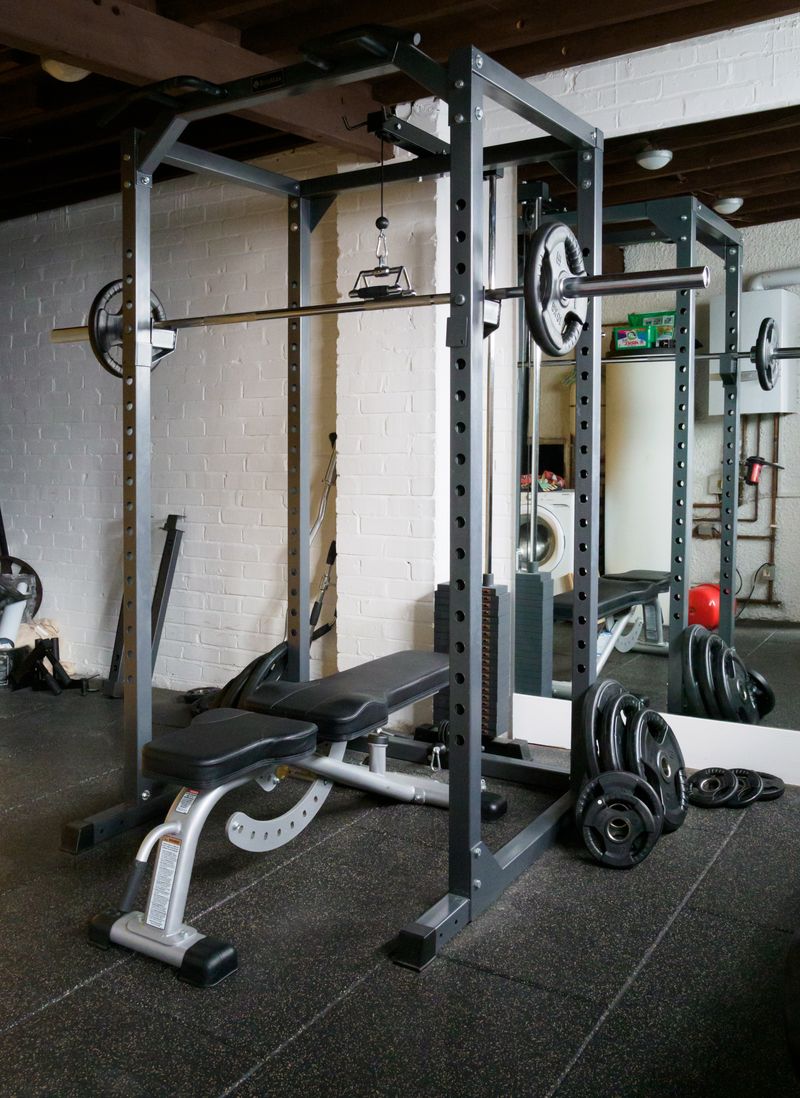
Soreness After a Workout: What Is Normal and What Isn't
How to tell normal post-workout muscle soreness (DOMS) from a real warning sign, plus what actually helps you recover.
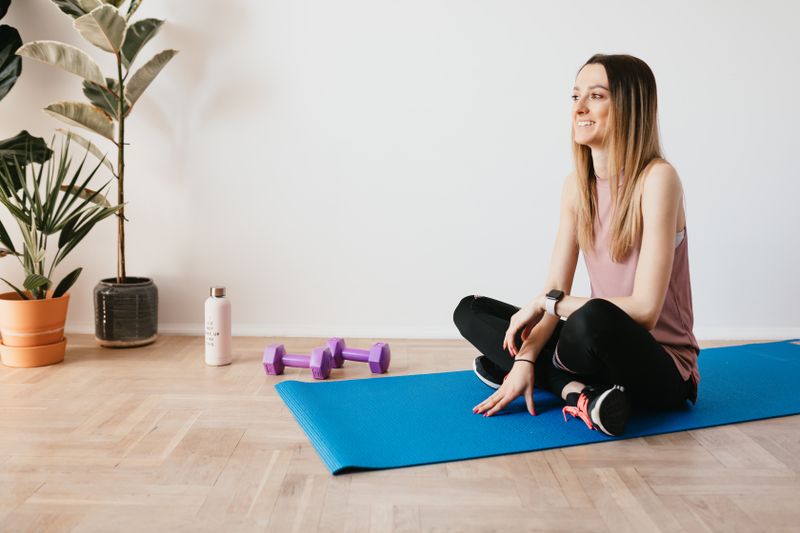
How to Start a Home Gym From Scratch (Step-by-Step for Beginners)
A step-by-step beginner guide to building a home gym from scratch: space, the five items to buy first, noise fixes, a starter routine, and smart upgrades.
Foam Roller Guide: Types, Density and How to Use One
A practical foam roller guide covering density, length and texture, how to pick your first roller, and a step-by-step routine for the main muscle groups.
📖 All articles on Gym4Home →
Browse our other articles