Used Gym Equipment Buying Guide: What to Buy and What to Skip
This article may contain affiliate links. If you make a purchase through these links, we may earn a small commission at no extra cost to you. This helps us keep creating free content.
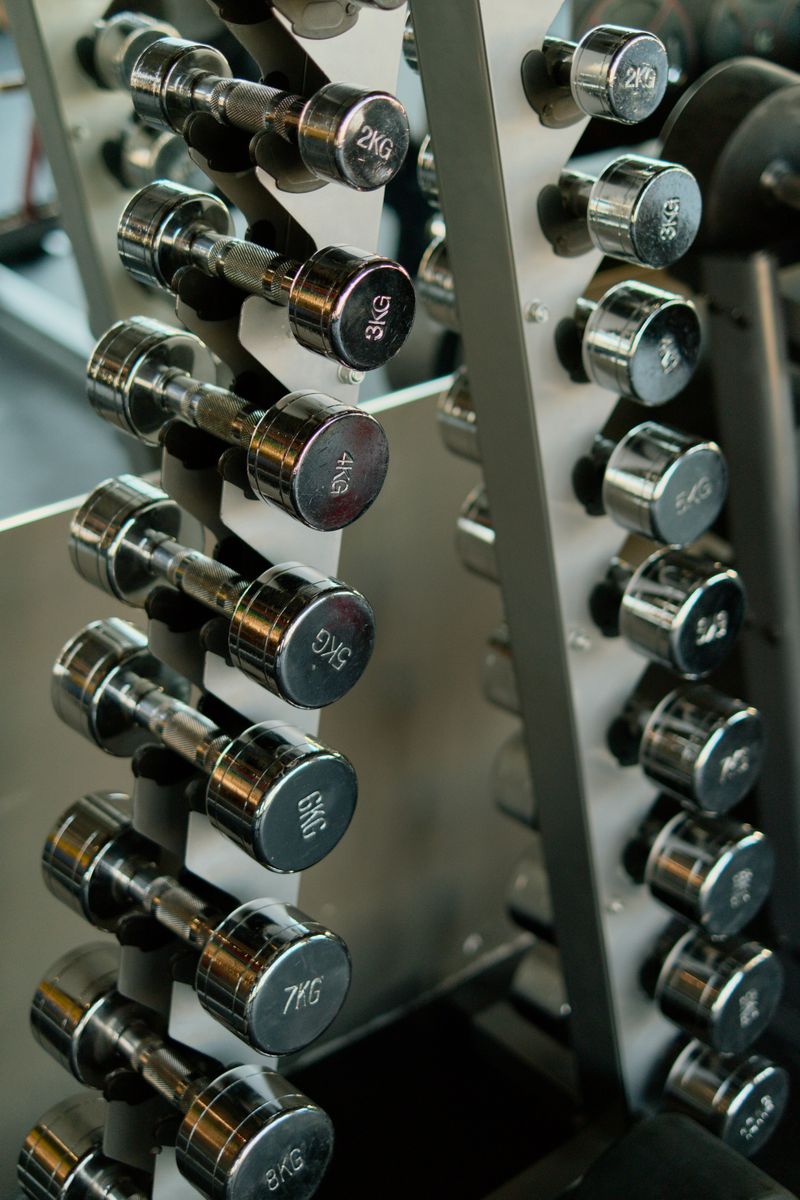
Quality steel gym equipment barely degrades, which is why a used power rack or set of cast-iron plates often performs identically to a new one at half the price. The catch is that some categories age badly and hide expensive faults, while others are nearly bulletproof secondhand. Knowing which is which is the difference between a smart bargain and a money pit sitting in your garage.
Buying used is the fastest way to build a capable home gym on a real budget. Commercial gyms close, people move house, and resolutions fade, so the secondhand market stays full of barely-used gear. The sections below sort equipment into safe buys, careful buys, and avoid, then walk through inspecting an item before you hand over cash.
What ages well secondhand
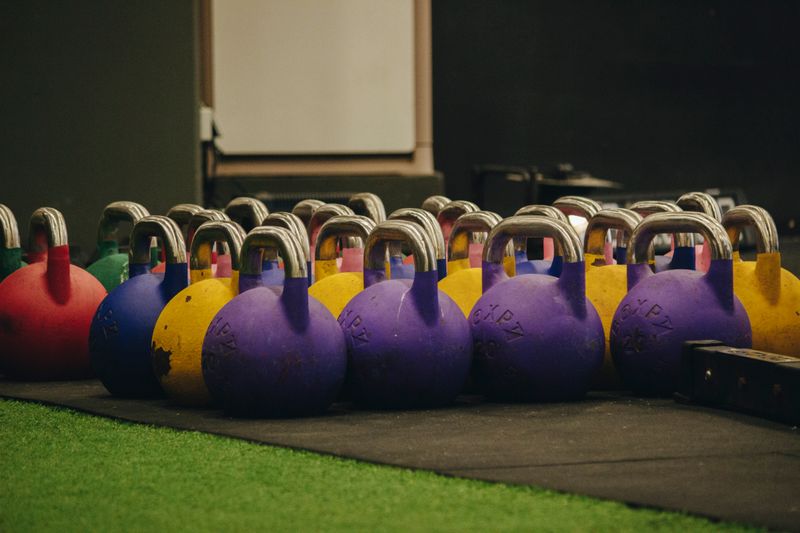
Solid steel and cast iron are the safest used purchases because they have almost nothing to wear out. Olympic plates, dumbbells, kettlebells, and barbell collars are essentially the same after ten years of use, give or take some chipped paint. A used power rack or squat stand built from heavy-gauge steel is structurally identical to new, and the only thing to check is that the welds are intact and the hardware is all present.
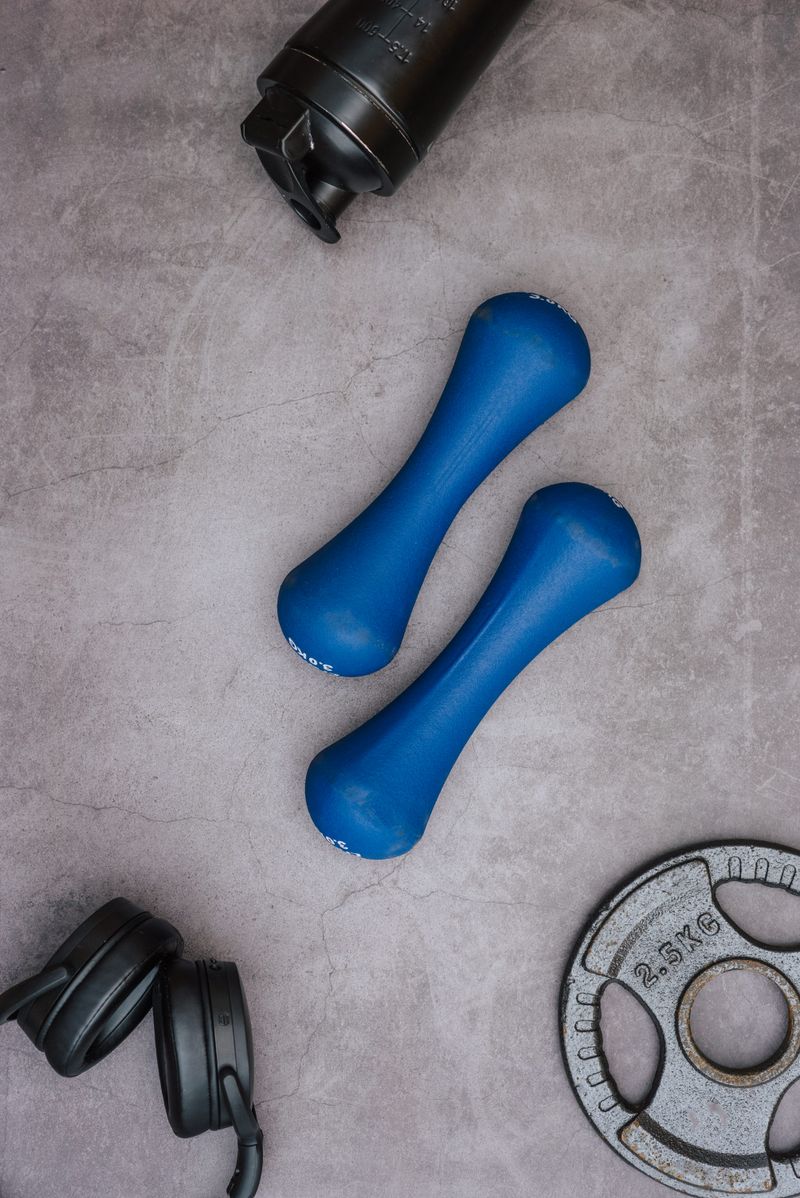
Barbells are a strong used buy if you inspect them, because a good bar costs $200 to $400 new and often sells for half that lightly used. Benches, dip stations, and plate-loaded machines also hold up well. These items take the biggest depreciation hit the moment they leave the shop, so the secondhand discount is steepest exactly where the risk is lowest.
| Item | Used verdict | Rough used price (US) |
|---|---|---|
| Cast-iron plates | Buy with confidence | $0.50–1.00 per lb |
| Power rack / squat stand | Buy, check welds | $150–400 |
| Barbell | Buy, spin-test it | $80–200 |
| Adjustable dumbbells | Careful, test the mechanism | $100–250 |
| Treadmill | Risky, test the motor | $150–500 |
| Resistance bands | Skip, buy new | n/a |
What to buy carefully
Fit Simplify Resistance Bands Set
Five resistance levels in a kit that fits in a drawer, gentle on the joints and ideal to start with.
* Affiliate link. We may earn a commission at no extra cost to you.
Adjustable dumbbells and anything with a moving mechanism need hands-on testing before you commit. The selector dials and pin systems on adjustable dumbbells can jam or fail, and a broken one is hard to repair. Cycle through every weight setting in the seller's driveway, lift each one, and listen for grinding or rattling. If a setting won't lock cleanly, walk away.
Cable machines and selectorised stacks are worth buying used but inspect the cables and pulleys closely. Frayed cables are a safety hazard and replacements can cost $50 to $100 plus your time. Folding equipment hinges, bench adjustment pins, and any latch that bears load all deserve a careful look. These items are still good value used; they just demand five extra minutes of inspection.
What to skip and buy new
Treadmills and other motorised cardio are the riskiest used buys, because the motor and electronics are the expensive parts and the most likely to fail. A used treadmill that runs fine in a cold garage for two minutes can still have a worn deck or a motor on its last legs. Unless it is nearly free and you can run it for ten full minutes at speed, the repair risk usually outweighs the saving.
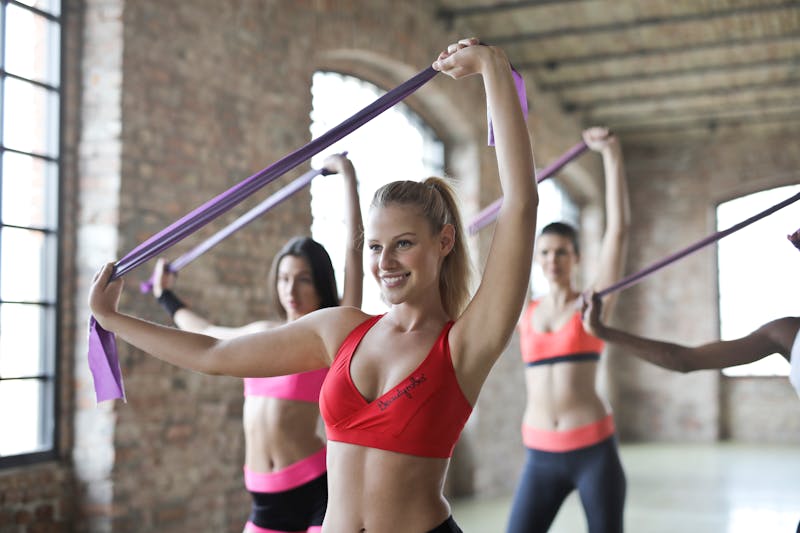
Resistance bands, lifting straps, and anything that stretches or wears against your skin are not worth buying used. Bands degrade with sun exposure and stretching, and a band that snaps under load can whip back and injure you. They cost $15 to $40 new, so the secondhand saving is tiny and the risk is real. Buy these new every time.
How to inspect before you buy
Bring the right mindset to a viewing: assume nothing works until you have tested it yourself. Sellers are often well-meaning but rarely thorough, and a quick inspection in their driveway catches almost every serious fault. Run through the checklist below for any item with moving parts or load-bearing welds.
- Spin the barbell sleeves: a good bar's sleeves rotate freely and quietly. Grinding or a dead, stuck sleeve means worn bearings or bushings.
- Check welds and frame: look for cracks at every welded joint on racks, benches, and stands. Surface rust is cosmetic; a cracked weld is dangerous.
- Cycle all moving parts: run adjustable dumbbells and bench pins through every position. They should lock with no wobble.
- Run motors at speed: for treadmills, run at least ten minutes at your real pace and listen for the motor straining or the belt slipping.
- Confirm completeness: are all the bolts, J-hooks, safety pins, and weight collars present? Missing hardware can be hard to source.
- Test your bodyweight on it: load a bench or rack and put your weight on it before money changes hands.
Where to look and how to negotiate
Local marketplace apps and community boards carry the best deals because heavy equipment is a pain to ship, so sellers price it to move and you avoid freight costs. Gym liquidations and commercial auctions are goldmines for plates and racks if you can collect quickly. Estate and house-clearance sales sometimes turn up a full setup for the price of hauling it away.
Cash and quick collection are your negotiating levers, because the seller usually wants the heavy item gone more than they want top dollar. Point to any flaw you found during inspection and make a fair offer below asking. Factor in transport, since a 300 lb rack and a tonne of plates need a van or trailer and a second pair of hands. The sticker price is rarely the full cost.
New gear that beats used on price anyway
Some new equipment is so cheap that the used discount barely exists, which makes buying new the smarter call. Doorframe pull-up bars run $25 to $40 new, exercise mats $20 to $50, and a basic kettlebell or two is often within a few dollars of secondhand once you factor in driving across town to collect it. For these low-cost items, the time and fuel to inspect a used one can cost more than the saving.
Foam rollers, jump ropes, ab wheels, and similar accessories fall in the same bracket. Buy them new, keep your secondhand hunting for the heavy steel where the dollar gap is real, and you spend your inspection time only where it pays off. A barbell worth $150 saved is worth a careful look; a $20 mat is not.
Building a used gym on a budget
A practical secondhand starter gym (a barbell, a few hundred pounds of plates, a rack, and a bench) often comes together for $400 to $700 used against $1,200 or more new. Buy the steel used and put your saved money toward the few things that should be new, like bands and any electronics. That split gives you a durable setup without overpaying for the parts that depreciate hardest.
Patience pays here. Watch listings for a few weeks, learn the going rates in your area, and pounce when a fairly priced rack or bar appears. The best used deals do not last long, and a buyer who knows what good steel is worth and can collect the same day usually wins them.
🛠️ Free tools for this topic
No sign-up. They do the calculating and checking for you.
Published by the Gym4Home editorial team. Published September 30, 2026.
Editorial responsibility: see Imprint.
Spotted an error or have something to add? corrections@gym4home.com
Home Gym Tips, Weekly
Equipment picks, workout ideas, and setup guides — for every space and every budget. No fluff, just useful.
🎁 Free bonus: The Home Gym Starter Checklist (PDF)
You might also like
Best Rubber Flooring for a Home Gym (Tiles, Rolls and Mats Compared)
How to choose rubber flooring for a home gym: tiles, rolls and stall mats compared by price, thickness and apartment noise, with clear recommendations.
Home Gym Equipment: What to Buy First (and What to Skip)
A step-by-step buying order for home gym equipment, starting with adjustable dumbbells and a bench, with price ranges and the pieces most people buy too early.

Best Home Gym Equipment for Seniors Over 60: What Actually Works
A practical, joint-friendly home gym for people over 60, ranked by value and adjustability, with approximate US prices and a sensible buy-in-order plan.
📖 All articles on Gym4Home →
Browse our other articles