Home Gym Weight Loss Plan: Lose Fat in 30 Minutes a Day
This article may contain affiliate links. If you make a purchase through these links, we may earn a small commission at no extra cost to you. This helps us keep creating free content.

Fat loss comes down to a calorie deficit, and a home gym makes that deficit easier to hold day after day because there is no commute eating into your time and no excuse to skip. You do not need a treadmill or a wall of machines. A pair of adjustable dumbbells, a bit of floor space, and 30 focused minutes most days will move the scale if you eat with even rough intention.
The plan below is built for an ordinary adult, often over 50, working in a spare room or garage corner. It blends strength work and cardio in a way that protects muscle while the fat comes off, which matters more as you age because muscle is what keeps your metabolism from sliding.
Why a home gym beats the commercial gym for fat loss
Consistency is the only variable that reliably predicts fat loss over months, and a home setup removes most of the friction that breaks consistency. The 15-minute drive, the parking, the wait for a squat rack, the self-consciousness many beginners feel: each of those is a small reason to skip, and skipped sessions are where plans die. When the equipment is 20 feet from your coffee, you train.
Cost works in your favor too. A solid starter kit of adjustable dumbbells, a mat, and a bench runs roughly $300 to 600 once, against $40 to 80 a month for a gym membership that quietly renews whether you show up or not. Inside a year the home gym has usually paid for itself, and it keeps paying.
The catch is honesty with yourself. Nobody is watching, so the discipline has to be internal. The plan handles part of that by being short and specific, which lowers the activation energy on a tired evening.
The weekly structure: 4 days, 30 minutes each
Retrospec Solana Thick Exercise Mat (1/2 in)
A thick, non-slip mat makes floor work and stretching comfortable on the joints.
As an Amazon Associate we earn from qualifying purchases.
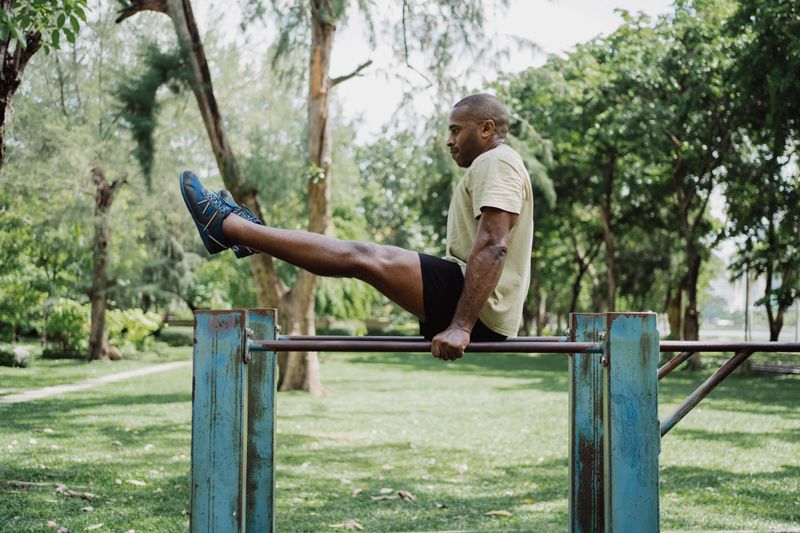
Four sessions a week hits the sweet spot for most people losing fat: enough volume to build and keep muscle, enough recovery that joints and energy hold up. Two days lean toward strength, two days blend strength and conditioning. The remaining three days are for walking, life, and rest.
Each session is built the same way. Five minutes of easy movement to warm up, about 22 minutes of working sets, and a few minutes to cool down and stretch whatever feels tight. Keep rest between sets to 45 to 60 seconds on conditioning days to keep your heart rate up, and 60 to 90 seconds on pure strength days so you can lift with good form.
| Day | Focus | Main work |
|---|---|---|
| Monday | Strength (lower) | Goblet squat, Romanian deadlift, glute bridge |
| Tuesday | Conditioning + core | Dumbbell circuit, fast walking intervals, planks |
| Thursday | Strength (upper) | Dumbbell press, row, shoulder press, curls |
| Saturday | Full-body burn | Mixed dumbbell circuit, 20-minute flow |
Day one: the lower-body strength session
Legs and hips hold your largest muscles, so training them burns the most energy and protects the most metabolism. Move slowly on the way down and with control on the way up. If your knees object to deep squats, stop at the depth where they feel fine and build from there.
- Goblet squat: hold one dumbbell at your chest, sit back and down between your feet, drive up through your heels. 3 sets of 10 to 12.
- Romanian deadlift: dumbbells in front of your thighs, push your hips back with a soft knee bend, feel the stretch in your hamstrings, stand tall. 3 sets of 10.
- Glute bridge: lie on your back, drive your hips to the ceiling, squeeze at the top. Add a dumbbell on your hips once bodyweight feels easy. 3 sets of 15.
- Standing calf raise: rise onto your toes slowly, pause, lower under control. 2 sets of 20.
Day two and four: conditioning that actually moves the scale
Conditioning days do the cardio job without grinding your joints into the floor. Instead of long steady jogging, you alternate short bursts of effort with recovery, which burns plenty of energy and keeps the session under half an hour. A simple version uses brisk walking or marching in place between dumbbell moves.
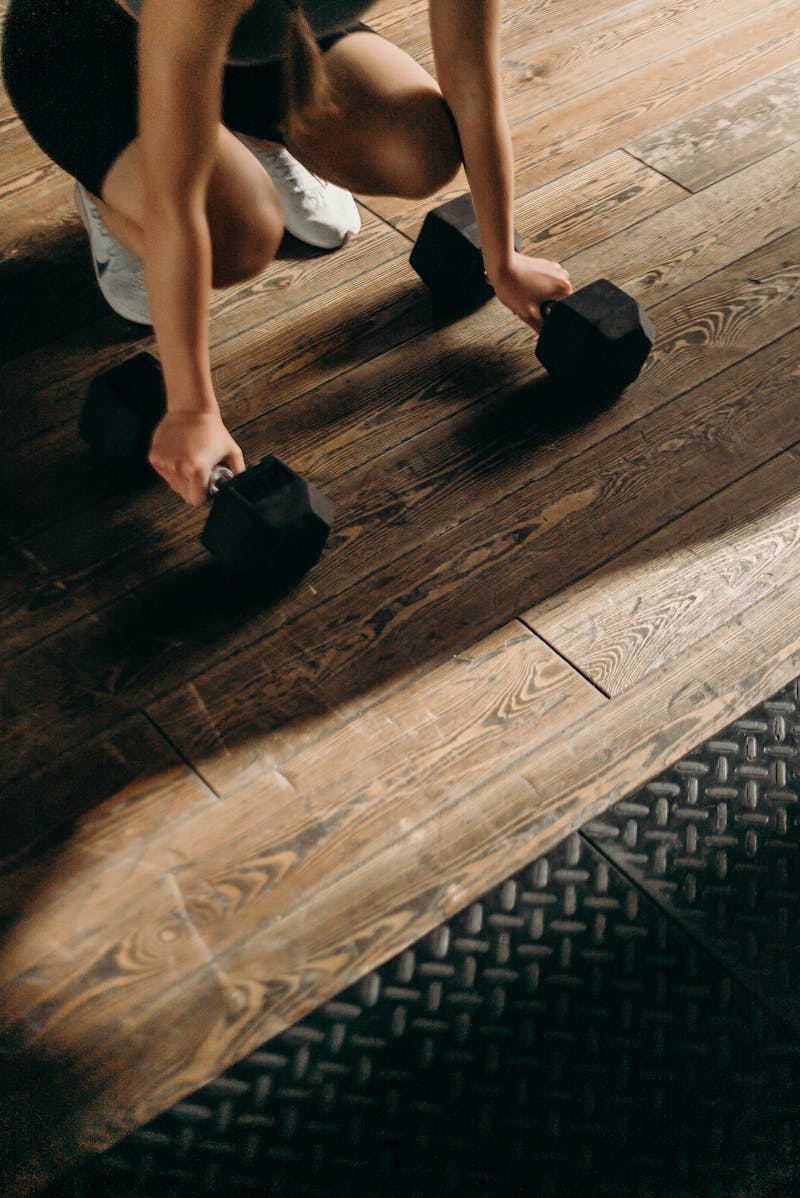
Run the circuit below for three to four rounds. Move briskly between exercises and let your breathing climb. You should be able to talk in short phrases but not hold a full conversation. That breathlessness is the point.
- Dumbbell thruster (squat into overhead press): 10 reps
- Bent-over row: 12 reps
- March or step in place, fast: 45 seconds
- Push-ups (on knees or a bench if needed): as many clean reps as you can
- Plank: hold 30 to 45 seconds
The part that decides everything: what you eat
No 30-minute session out-trains a sloppy kitchen, because a single large takeaway meal can erase the calories of an entire workout. You do not need to weigh food or track every gram, but you do need a rough deficit, which means eating somewhat less than you burn. The simplest lever is protein and portion size.
Build each plate around a palm-sized serving of protein, a fist of vegetables, and a cupped handful of carbs, then go light on the oils and sauces that hide calories. Protein matters double during fat loss: it keeps you full and it gives your muscles what they need to survive the deficit. Aim for protein at every meal.
| Goal | Practical target | Why |
|---|---|---|
| Calorie deficit | Eat to roughly 80% full, skip seconds | Drives the actual fat loss |
| Protein | A palm of protein per meal | Keeps muscle, controls hunger |
| Steps | 7,000 to 10,000 a day | Burns fat without extra recovery cost |
| Sleep | 7+ hours | Poor sleep raises hunger and stalls loss |
Equipment you actually need, and the budget
You can start this plan with two pieces of gear. A set of adjustable dumbbells covers nearly every exercise here and replaces a whole rack of fixed weights, which is why they are the single best buy for a small space. Expect roughly $200 to 400 for a quality adjustable pair that climbs to 50 lb per hand.
Add a non-slip exercise mat at around $20 to 40 to protect your floor and knees, and a sturdy adjustable bench at $100 to 200 once you want to press and row from a stable base. That is the whole list. A doorway pull-up bar at about $30 is a nice optional extra for your back and arms.
Tracking progress without obsessing over the scale
Body weight bounces day to day with water, salt, and sleep, so a single weigh-in tells you almost nothing. Weigh yourself at the same time two or three mornings a week and watch the weekly average instead. A loss of half a pound to one pound a week is the sustainable range that keeps muscle and rarely rebounds.
Watch other signals too. The waistband of your jeans, how easily you carry groceries up the stairs, the weight on your dumbbells climbing month over month: these tell you the plan is working even in a week the scale sulks. Strength going up while the tape measure goes down is exactly the trade you want.
Stick with the four sessions and the rough eating habits for eight to twelve weeks before you judge results. Fat loss is slow and unglamorous, then suddenly your clothes fit differently. The home gym wins because it lets you keep showing up long enough for that to happen.
Do I need cardio equipment like a treadmill? No. The conditioning days here use dumbbells and your own bodyweight to drive your heart rate up, and daily walking handles the rest. A treadmill is convenient if you have the space and budget, but it is a luxury, not a requirement for this plan to work.
How fast will I see results? The scale usually moves within two to three weeks if your eating is in a deficit, though the first week is mostly water. Visible changes in how clothes fit tend to show around the four to six week mark. Strength gains come faster than visible fat loss, which is why tracking your dumbbell weights keeps you motivated through the slow visual phase.
Can I do this every day instead of four times a week? You can add walking and light movement daily, but resist the urge to do the full strength-and-conditioning sessions seven days a week. Your muscles grow and your joints recover on the off days, and training hard without rest leads to burnout and injury, which stalls fat loss far more than a rest day ever would.
🛠️ Free tools for this topic
No sign-up. They do the calculating and checking for you.
Published by the Gym4Home editorial team. Published September 1, 2026. Updated October 4, 2026.
Editorial responsibility: see Imprint.
Spotted an error or have something to add? corrections@gym4home.com
Home Gym Tips, Weekly
Equipment picks, workout ideas, and setup guides — for every space and every budget. No fluff, just useful.
🎁 Free bonus: The Home Gym Starter Checklist (PDF)
You might also like
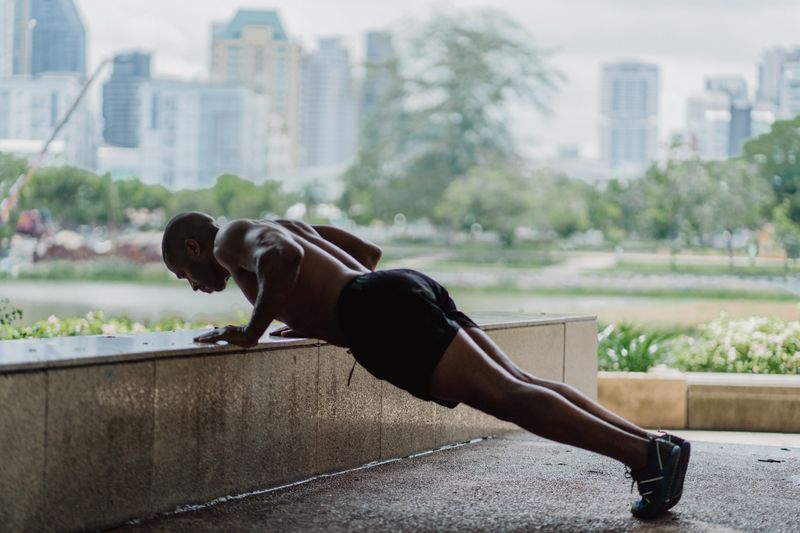
Dumbbell Upper-Body Workout at Home: A Full Routine
A complete upper-body dumbbell routine for home, with a sets-and-reps table, form cues for every lift, and a simple progression plan.
Home Cardio Without a Treadmill: 6 Options That Work
Six treadmill alternatives for home cardio, compared on price, noise and joint impact, from free stair intervals to a quiet foldable rowing machine.

Kettlebell-Only Workout Plan: A Complete Full-Body Program
A complete full-body workout plan using a single kettlebell, with exercises, sets and reps tables, a weekly schedule and clear progression rules.
📖 All articles on Gym4Home →
Browse our other articles