How to Learn Exercises Correctly at Home (Without a Coach)
This article may contain affiliate links. If you make a purchase through these links, we may earn a small commission at no extra cost to you. This helps us keep creating free content.
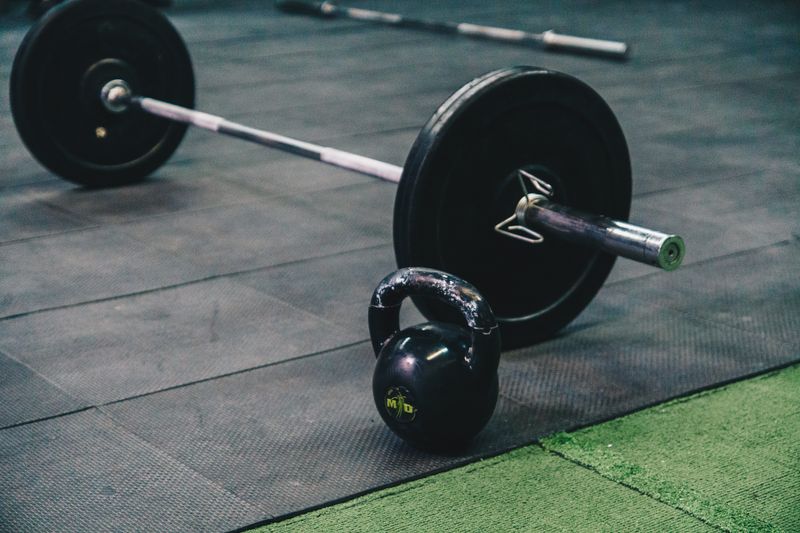
Bad form is the fastest way to turn a free home workout into a six-week injury layoff. Without a coach watching you, the squat that feels fine in the moment can quietly grind a knee or round a lower back into a strain. The good news is that learning movements correctly at home is a teachable skill, and you only need a phone, a mirror or a wall, and a willingness to slow down for the first few weeks.
Learn the pattern before you add weight
Every strength exercise is a movement pattern first and a load second. A squat is a hip-and-knee bend with a flat back. A row is a shoulder-blade squeeze with a still torso. If you cannot do the pattern cleanly with no weight, adding dumbbells only hides the fault under load. Spend the first one to two weeks doing bodyweight versions of each lift for two sets of eight to ten reps, focusing entirely on where your joints travel.
This is also the cheapest insurance you will ever buy. A torn shoulder from a sloppy overhead press costs months of recovery, while a careful four-week ramp-up costs nothing but patience. Older adults and anyone returning after a long break should treat this phase as non-negotiable, because connective tissue adapts more slowly than muscle and needs the lead time.
Use your phone as a coach
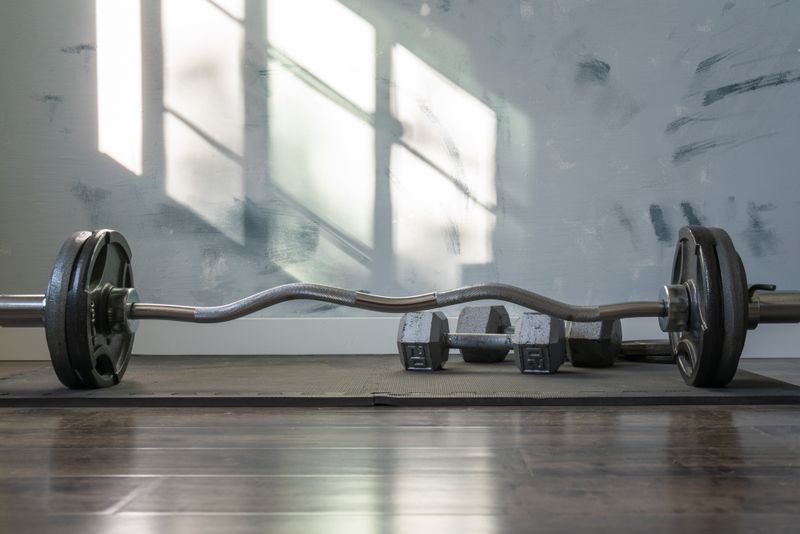
Retrospec Solana Thick Exercise Mat (1/2 in)
A thick, non-slip mat makes floor work and stretching comfortable on the joints.
As an Amazon Associate we earn from qualifying purchases.
Filming a single set from the side turns guesswork into evidence. Prop your phone against a water bottle or wall about six feet away, hit record, and do five reps. Watching it back, you will see things you cannot feel: a knee caving inward, a back rounding at the bottom of a deadlift, a bar drifting forward on a press. The camera is the closest thing to a coach you have at home, and it never gets tired of watching.
Compare what you see against a reputable demo video for the same lift. Look for three checkpoints per exercise rather than trying to fix everything at once. For a squat, that might be knees tracking over toes, chest staying up, and depth reaching at least parallel. Re-film a week later and you will have a record of real progress.
Three universal cues that fix most faults
Most beginner errors come from the same handful of habits, so a few cues carry across nearly every lift. These are not magic words. They are reminders to set joints in safe positions before you load them.
- Brace your core. Before each rep, take a breath and tighten your midsection as if expecting a light punch. This stiffens the spine and stops your lower back from doing work your legs should do.
- Set the shoulder blades. For any pressing or rowing move, pull your shoulder blades down and slightly together first. Loose shoulders are where most pressing injuries start.
- Control the lowering phase. Take two to three seconds to lower the weight on every rep. The slow lowering builds strength and forces you to stay in position instead of bouncing.
Build a sensible first-month plan
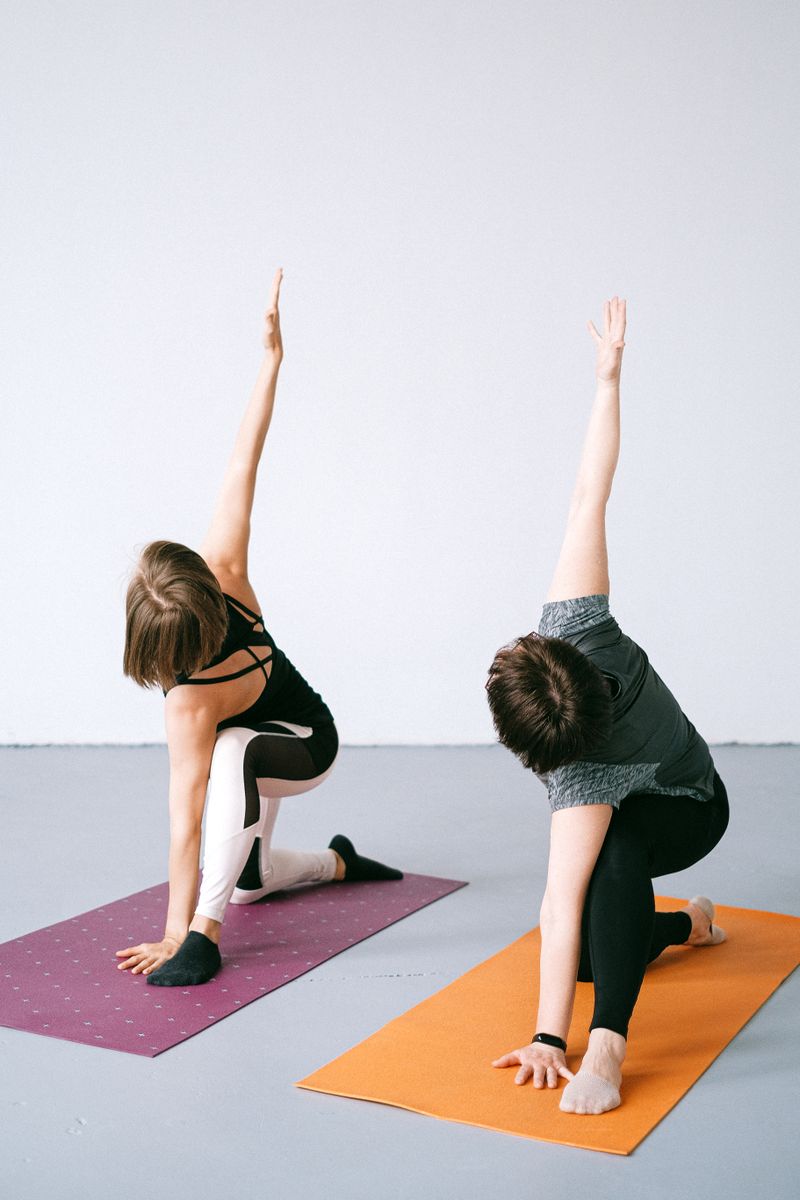
A structured ramp forces you to progress form before load. The table below shows a four-week on-ramp for a typical beginner working out three times a week. Adjust reps down if any joint complains, and never trade clean reps for more weight.
| Week | Focus | Load | Sets x reps |
|---|---|---|---|
| 1 | Pattern only | Bodyweight | 2 x 8-10 |
| 2 | Pattern plus light load | Very light dumbbells | 3 x 8 |
| 3 | Add a little load | Light, still easy | 3 x 8 |
| 4 | First real working weight | Moderate, last rep clean | 3 x 6-8 |
If a movement still feels wrong by week four, drop back to bodyweight for that one lift while keeping the others moving. There is no rule that every exercise has to progress at the same speed.
Know when to stop and reset a rep
Pain that is sharp, joint-located, or one-sided is a stop signal, not a push-through signal. Muscle burn and general fatigue are normal. A specific pinch in a knee, shoulder, or lower back is your body flagging a position problem. Rack the weight, reset your setup, and try again lighter. If the same spot complains across several sessions, swap the exercise for a gentler variation rather than fighting it.
Form also degrades as you tire, so the last reps of a set are where injuries hide. Stop a set when your form breaks rather than when your muscles fail. Leaving one or two clean reps in the tank on every set keeps the movement clean and still drives plenty of progress for a beginner.
Cheap tools that speed up learning
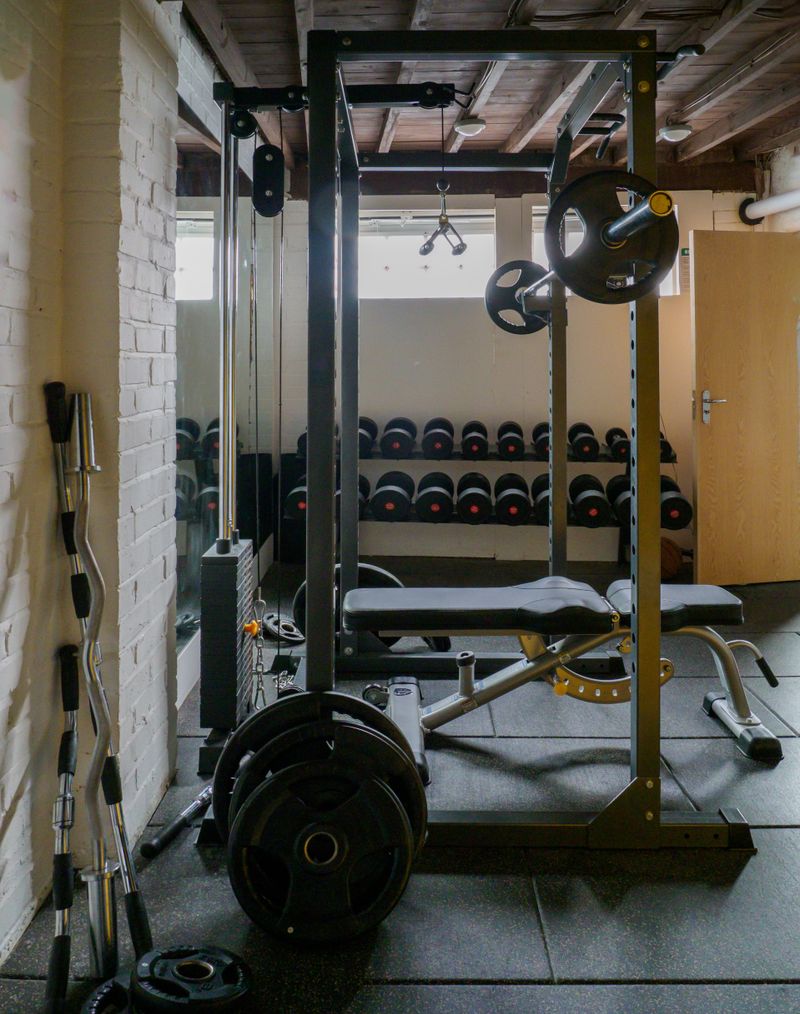
You do not need much to learn well. A pair of light adjustable dumbbells (around $40-80 for a starter set) lets you nail patterns before going heavier. A phone tripod or even a stack of books steadies your filming. A resistance band ($10-20) is excellent for grooving pulling and squatting patterns with built-in tension that exposes sloppy reps.
Skip anything that promises to teach form for you, like vibrating plates or gimmick machines. The skill lives in your attention and repetition, not in the gear. Spend on light, adjustable load and good lighting for your videos, and put the rest toward more time practising.
Four mistakes that wreck beginner form
A short list of repeat offenders accounts for most ruined reps in a home setting. Watching for these specifically gives your phone reviews a clear target instead of a vague hunt for problems. Each one has a simple fix that you can apply on the very next set.
The first is loading too fast, where the weight climbs quicker than the pattern is grooved. The second is mirror tunnel vision, staring at your front view while your spine quietly rounds out of sight. The third is rushed reps with no control on the way down, which trains momentum instead of muscle. The fourth is copying advanced lifters online whose mobility and experience let them get away with positions a beginner cannot.
| Mistake | What it causes | Fix on the next set |
|---|---|---|
| Loading too fast | Form breaks under weight | Drop to bodyweight, rebuild the pattern |
| Mirror-only checking | Hidden spine rounding | Add side-on phone footage |
| No control lowering | Momentum, missed gains | Count 2-3 seconds down each rep |
| Copying advanced lifters | Positions you cannot hold | Use beginner demos and cues |
Fixing these does not require new gear or a coach. It requires watching for them on purpose, which is exactly what your weekly film session is for.
Most beginners stop thinking through every cue after four to six weeks of consistent practice, three sessions a week. The pattern moves from deliberate to semi-automatic, which frees your attention to add load safely. Filming once a week throughout that stretch gives you proof that the work is landing and flags any drift before it becomes a habit.
After the on-ramp, keep one filming session every two to three weeks as a maintenance check. Form quietly erodes when weights climb, and a quick video catches it early. Treat correct movement as the thing you are actually training, and the strength gains follow as a side effect rather than a gamble.
🛠️ Free tools for this topic
No sign-up. They do the calculating and checking for you.
Published by the Gym4Home editorial team. Published September 2, 2026. Updated October 4, 2026.
Editorial responsibility: see Imprint.
Spotted an error or have something to add? corrections@gym4home.com
Home Gym Tips, Weekly
Equipment picks, workout ideas, and setup guides — for every space and every budget. No fluff, just useful.
🎁 Free bonus: The Home Gym Starter Checklist (PDF)
You might also like
Soreness After a Workout: What Is Normal and What Isn't
How to tell normal post-workout muscle soreness (DOMS) from a real warning sign, plus what actually helps you recover.
Home Gym Equipment: What to Buy First (and What to Skip)
A step-by-step buying order for home gym equipment, starting with adjustable dumbbells and a bench, with price ranges and the pieces most people buy too early.

Home Workout Warm-Up and Cool-Down: A Practical Routine
A repeatable warm-up and cool-down routine for home workouts, including dynamic moves, ramp-up sets, and a post-training stretch sequence.
📖 All articles on Gym4Home →
Browse our other articles