Low-Impact Cardio at Home for the Over-60s
This article may contain affiliate links. If you make a purchase through these links, we may earn a small commission at no extra cost to you. This helps us keep creating free content.
Health note: This article is for general information only and is not a substitute for medical advice. Talk to your doctor before starting a new exercise programme, especially if you have an existing health condition or injury.
Marching on the spot for ten minutes raises your heart rate as effectively as a brisk walk, with almost no load on your knees, hips or ankles. Low-impact cardio keeps one foot in contact with the floor at all times, which removes the pounding that bothers older joints during running or jumping. For people over 60, that one design rule is what makes daily cardio sustainable rather than something that flares up an old injury.
The goal at this age is steady, repeatable movement most days, not a punishing session twice a week. Many people find that short bouts they can do at home, in regular clothes, without travel, are the ones they actually keep doing. The exercises below need little or no equipment, fit in a small room, and scale from very gentle to brisk depending on how you feel that day.
What counts as low-impact and why it matters
Low-impact means at least one foot stays on the ground, so your joints never absorb the shock of your full body weight landing. Walking, marching, stepping, cycling and swimming are low-impact. Running, jumping jacks and skipping are high-impact, because both feet leave the floor and your knees and ankles take the landing force. The cardiovascular benefit can be identical; the difference is what your joints pay for it.
This distinction matters more with age because cartilage thins, tendons stiffen, and recovery from a joint flare takes longer. Low-impact work lets you train your heart and lungs frequently without the wear that makes people quit. Many people with knee or hip arthritis find they can do low-impact cardio daily, while high-impact work would leave them sore for days, which makes the gentler option the one that actually improves fitness over months.
A simple weekly target
Retrospec Solana Thick Exercise Mat (1/2 in)
A thick, non-slip mat makes floor work and stretching comfortable on the joints.
As an Amazon Associate we earn from qualifying purchases.
Public-health guidance for older adults points to about 150 minutes of moderate activity a week, which breaks down to roughly 20 to 30 minutes most days. You do not have to do it in one block. Three 10-minute sessions across a day count the same as one 30-minute session, and splitting it up is often easier on the joints and the schedule.
Start below what you think you can manage and add a few minutes each week. A reasonable on-ramp is 10 minutes a day for the first week, then 15, then 20, watching how your knees and hips feel the next morning. The next-day check matters more than how you feel during the session, because joint flares often show up the following day rather than at the time.
Seven low-impact exercises you can do in a small room
Each of these keeps a foot grounded and needs no more space than a bath mat. Do them in any order, rest when you need to, and aim to keep moving for the time given rather than chasing speed. Hold a stable chair or counter for any move where balance feels uncertain.
- Marching on the spot: lift each knee to a comfortable height and swing the opposite arm. Start gentle, then raise the knees higher to increase effort. 2 to 5 minutes.
- Step-touch side to side: step one foot out, bring the other to meet it, then reverse. Add a light arm reach overhead to lift the heart rate. 2 to 4 minutes.
- Heel digs: tap one heel forward on the floor, then the other, in a steady rhythm, pumping the arms. Easy on the knees and good for warming up. 2 to 3 minutes.
- Standing knee-to-elbow: bring one knee up toward the opposite elbow, then switch. A gentle rotation that adds a little core work. Hold a chair if needed. 1 to 3 minutes.
- Sit-to-stand from a chair: stand up and sit down with control, using your legs, not your hands, if you can. Builds the leg strength that protects the knees. 8 to 15 reps.
- Toe taps to a low step: tap the toes of one foot onto a low, stable step or thick book, alternating. Light footwork that raises the pulse without impact. 1 to 3 minutes.
- Seated cardio (for harder days): march, punch and reach while seated in a sturdy chair. A full low-impact session is possible without standing at all. 5 to 10 minutes.
Equipment that helps but is not required
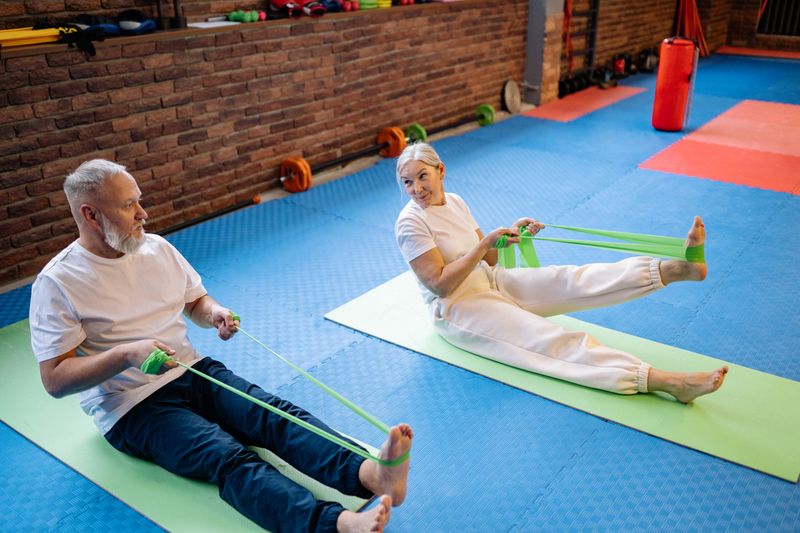
A sturdy chair is the only thing most people need, and it doubles as balance support and a tool for sit-to-stands. Beyond that, a few inexpensive items make home cardio more varied without taking space. A pair of light resistance bands adds arm and shoulder work to a marching session, and a folding pedal exerciser lets you cycle while seated in front of the television.
If you want one larger purchase, a recumbent exercise bike or an under-desk pedal unit gives joint-friendly cardio you can do while reading. Recumbent bikes run roughly $200 to $600 at retail and suit people who find an upright bike uncomfortable on the back. A simple under-desk pedal exerciser costs about $30 to $80 and stores under a couch. Neither is necessary to get a good session, so try the bodyweight moves first before spending.
| Option | Rough US price | Good for |
|---|---|---|
| Sturdy chair (already owned) | $0 | Balance support, sit-to-stands, seated cardio |
| Light resistance bands | $10–25 | Adding arm work to marching |
| Under-desk pedal exerciser | $30–80 | Seated cycling while reading or watching TV |
| Recumbent exercise bike | $200–600 | Back-friendly steady cardio |
Warming up and cooling down
A two to three minute warm-up lowers the chance of a strain and lets stiff joints loosen before you raise the pace. Gentle marching, shoulder rolls and slow heel digs prepare the heart, lungs and joints without taxing them. Older joints in particular move better once warm, so the first few minutes should feel almost too easy on purpose.
Cool down for a couple of minutes by slowing your marching to a stroll until your breathing settles, then add a few easy stretches for the calves, hamstrings and hips. This gradual slowdown helps your heart rate return to normal smoothly and reduces the stiffness that can follow sudden stops. Many people find that a brief cool-down also makes the next day's session feel easier.
Tracking effort without a heart-rate monitor
The talk test handles most of your effort gauging, but a simple 1-to-10 scale gives you a second check. Aim for about a 4 to 6 out of 10, where you are working but could keep going for the planned time. Anything at an 8 or above is too hard for steady cardio and usually means you started too fast. Slow down and let the effort settle into a level you could sustain for the whole bout.
If you do own a fitness watch, a target heart rate roughly between 50 and 70 percent of your maximum suits moderate cardio, though the talk test gets you to the same place without a device. Watch how quickly your breathing recovers after you stop, since faster recovery over the weeks is a clear sign your fitness is improving.
Building cardio into a real week
Anchor the session to something you already do daily so it happens without willpower. Many people find that marching through the morning news or pedaling during an evening show turns exercise into a habit rather than a chore. Pairing the new behavior with an existing routine is one of the more reliable ways to make it stick past the first enthusiastic fortnight.
Vary intensity across the week so hard days have easy days around them. Two slightly brisker sessions, where you push the talk test, sit well alongside three or four gentle ones. On a stiff or low-energy day, the seated cardio option still counts and keeps the streak alive. Consistency over months is what improves your heart, lungs and stamina, not the occasional heroic workout that leaves you too sore to move the next day.
🛠️ Free tools for this topic
No sign-up. They do the calculating and checking for you.
Published by the Gym4Home editorial team. Published October 20, 2026.
Editorial responsibility: see Imprint.
Spotted an error or have something to add? corrections@gym4home.com
Home Gym Tips, Weekly
Equipment picks, workout ideas, and setup guides — for every space and every budget. No fluff, just useful.
🎁 Free bonus: The Home Gym Starter Checklist (PDF)
You might also like
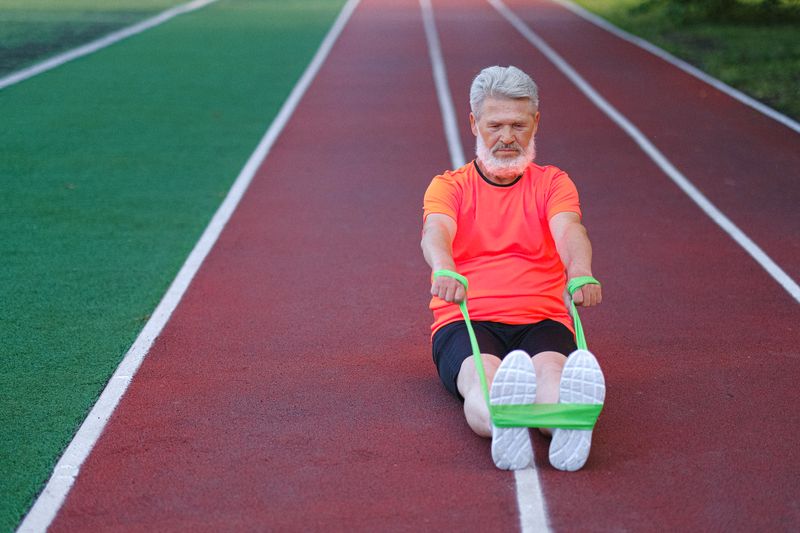
How to Build a Home Gym After 60 on a Budget
A practical, budget shopping list and starter routine for building a joint-friendly home gym after 60, with US prices and where to spend versus save.
Low-Impact Home Workout Equipment: A Joint-Friendly Buying Guide
A joint-friendly buying guide to low-impact home workout equipment, comparing resistance bands, adjustable dumbbells, seated cardio and balance gear with US price ranges.
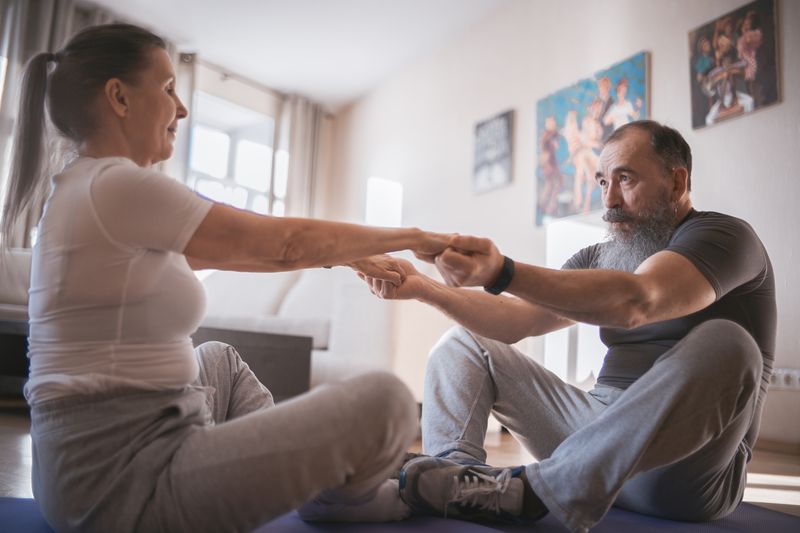
Best Home Gym Equipment for Seniors Over 60: What Actually Works
A practical, joint-friendly home gym for people over 60, ranked by value and adjustability, with approximate US prices and a sensible buy-in-order plan.
📖 All articles on Gym4Home →
Browse our other articles