Rowing Machines for Seniors: Low-Impact Cardio That Builds Strength
This article may contain affiliate links. If you make a purchase through these links, we may earn a small commission at no extra cost to you. This helps us keep creating free content.
Health note: This article is for general information only and is not a substitute for medical advice. Talk to your doctor before starting a new exercise programme, especially if you have an existing health condition or injury.
A rowing machine works about 86 percent of your muscles in one smooth, seated movement, with no pounding through the knees or hips. That combination of full-body effort and low joint impact is what makes rowers a strong fit for older adults who want cardio that also builds strength. You sit, you pull, and your legs, back, and arms all share the load.
The catch is that not every rower suits a 60- or 70-year-old body or a small home. Seat height, resistance type, monitor readability, and stroke technique all matter more after 50. The sections below cover who rowing suits, the four resistance types, how to pick a machine, and how to row safely without aggravating a back or a knee.
Why a rower suits older bodies
Rowing keeps your feet planted and your body supported, so there is no impact shock traveling up the leg the way there is with running or jumping. For anyone with knee, hip, or ankle issues, that alone makes it more sustainable than a treadmill. The motion is a push from the legs followed by a pull from the back and arms, all within a comfortable, controlled range.
The strength payoff sets rowing apart from a bike or a walk. A bike trains the legs and a walk trains very little of the upper body, while a rowing stroke loads the legs, glutes, back, and arms on every rep. Many people find they get cardio and strength maintenance from one piece of equipment, which is useful when home space is tight. That dual benefit also means fewer machines to buy and store, which keeps both the budget and the footprint down in an apartment.
The four resistance types compared
Retrospec Solana Thick Exercise Mat (1/2 in)
A thick, non-slip mat makes floor work and stretching comfortable on the joints.
* Affiliate link. We may earn a commission at no extra cost to you.
Rowers differ mainly in how they create resistance, and that choice affects noise, feel, and price. The table below lays out the four common types so you can match one to your home and your joints. For most seniors in an apartment, magnetic is the easy recommendation: it is quiet, smooth, and forgiving of a beginner's timing.
| Type | Feel & noise | Approx. US price | Best for |
|---|---|---|---|
| Magnetic | Smooth, very quiet | $200–500 | Apartments, beginners, quiet homes |
| Air (flywheel) | Dynamic, louder whoosh | $300–1,000 | Those who want intensity, garages |
| Water | Realistic, soft water sound | $600–1,500 | Feel of real rowing, larger budgets |
| Hydraulic (piston) | Choppy, compact | $100–250 | Tightest spaces and budgets |
Air rowers give a louder, more dynamic pull that some people love and some find too intense first thing in the morning. Water rowers feel closest to rowing on a lake and look handsome standing upright in a room, but they cost more and weigh more. Hydraulic models are the cheapest and smallest, though the stroke feels less natural and the resistance can be uneven.
What to look for after 50
Seat height is the feature most buyers overlook and seniors feel the most. A low seat means a deep squat to sit and stand, which is hard on the knees. Look for a seat 14 inches or higher off the floor, sometimes sold as a high seat or comfort design, so getting on and off does not become the hardest part of the workout.
A clear, large monitor and a comfortable, contoured seat matter next. You want to read your stroke rate and time without squinting, and you want padding that does not numb you after ten minutes. Check the foot straps too: wide, easy-cinch straps beat fiddly buckles for stiff fingers. A machine that folds or stands upright saves floor space in an apartment.
Rowing technique that protects your back
Bad rowing form puts the strain in your lower back instead of your legs, which is the fastest way to a sore back at any age. The stroke breaks into four parts, and learning them slowly in the first week pays off for years. Keep the movement smooth and unhurried rather than yanking the handle.
- Catch: Knees bent, shins vertical, arms straight, leaning slightly forward from the hips with a flat back.
- Drive: Push hard through your legs first. Once legs are nearly straight, swing the torso back gently and pull the handle to your lower ribs last.
- Finish: Legs straight, slight lean back, handle at the bottom of your ribcage, shoulders relaxed and down.
- Recovery: Reverse the order. Arms extend first, then hinge forward from the hips, then bend the knees to slide back to the catch.
The phrase coaches use is legs, body, arms on the drive and arms, body, legs on the recovery. Keep your back flat the whole time and never round it to reach further forward. If your back rounds at the catch, sit slightly more upright and shorten your reach until your hamstrings allow more range.
A starter routine and sensible pacing
Begin with short, easy sessions and build the duration before the intensity. Ten to fifteen minutes at a relaxed, conversational pace is plenty for the first week or two while your timing and your back adapt. Aim for a stroke rate around 20 to 24 strokes per minute, which keeps the movement controlled rather than frantic.
From there, add a few minutes each week until you reach 20 to 30 minutes, two or three times a week. Once that feels easy, you can try gentle intervals: one minute slightly harder, two minutes easy, repeated a handful of times. Stop any session if you feel back strain, dizziness, or chest discomfort, and check in with your doctor before pushing intensity.
How a rower stacks up against other senior cardio is worth knowing before you commit the space. Against a treadmill, the rower wins on joints and on upper-body work, since a treadmill pounds the knees and trains only the legs. Against a recumbent bike, the bike is easier to get on and off and supports the back fully, which suits very unsteady users, while the rower gives back far more upper-body strength. If stability is your main worry, start on a bike. If you want strength along with cardio, the rower earns its place.
Frequently asked questions
Is rowing safe with a bad back? Rowing can be back-friendly when your form is good, because the legs drive the stroke. Poor form that rounds the spine does the opposite. If you have an existing back condition, get the technique checked and clear it with your doctor or physio first.
How much space does a rower need? Most rowers are about 7 to 8 feet long and 2 feet wide in use. Many magnetic and water models fold or stand upright to roughly 2 by 2 feet for storage, which makes them workable in an apartment if you have a wall to lean them against.
Magnetic or air for a senior? Magnetic is the better default for older adults at home. It runs quiet, the resistance is steady and easy to control, and the smooth feel is forgiving while you learn the stroke. Choose air only if you specifically want louder, higher-intensity sessions.
How often should I row? Two or three sessions a week is a sensible target for cardio and strength maintenance, with a rest day in between when you are starting out. Begin with shorter sessions and build the duration before the intensity, and let your back and timing set the pace rather than the clock.
What is a good budget rower to start with? A magnetic model in the $200 to $400 range covers most beginners well, offering quiet, smooth resistance and a readable monitor. Spend more only if you want the realistic feel of a water rower or the higher intensity of an air machine. Check the seat height and weight limit before price.
🛠️ Free tools for this topic
No sign-up. They do the calculating and checking for you.
Published by the Gym4Home editorial team. Published September 23, 2026.
Editorial responsibility: see Imprint.
Spotted an error or have something to add? corrections@gym4home.com
Home Gym Tips, Weekly
Equipment picks, workout ideas, and setup guides — for every space and every budget. No fluff, just useful.
🎁 Free bonus: The Home Gym Starter Checklist (PDF)
You might also like
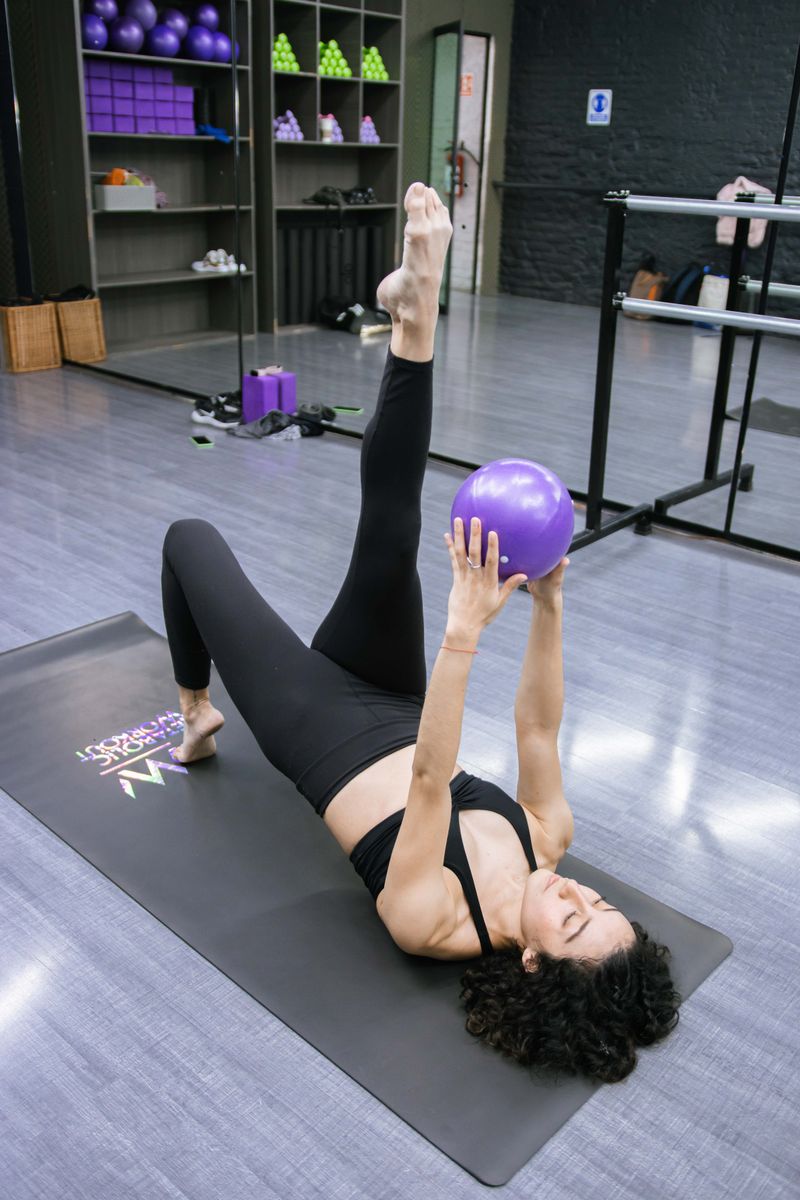
Foldable Rowing Machines for Apartments: Picks and Trade-Offs
Folding magnetic rowers store in 2 square feet and stay quiet for downstairs neighbors. How resistance type affects noise, what specs to check, and picks by budget.
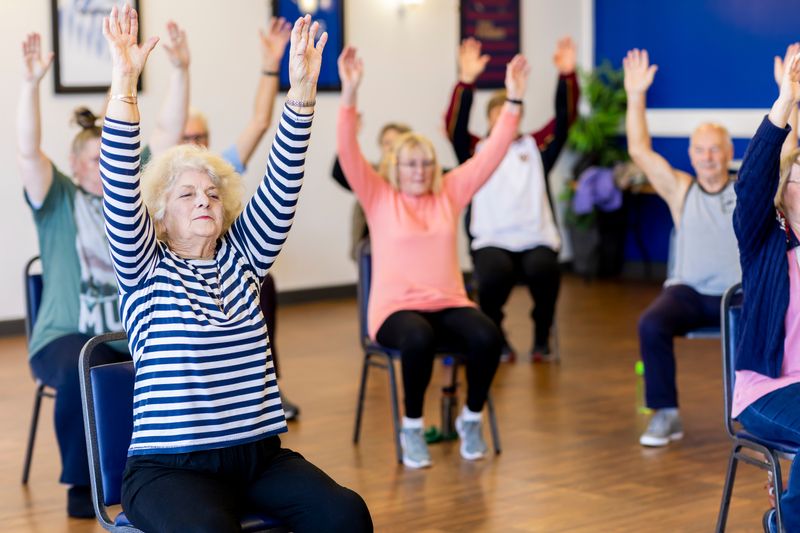
Arthritis-Friendly Home Exercises (Gentle, Joint-Safe Routines)
Gentle, low-impact home exercises for people with stiff or sensitive joints: warm-up, joint-friendly strength moves, low-impact cardio, and safe recovery.
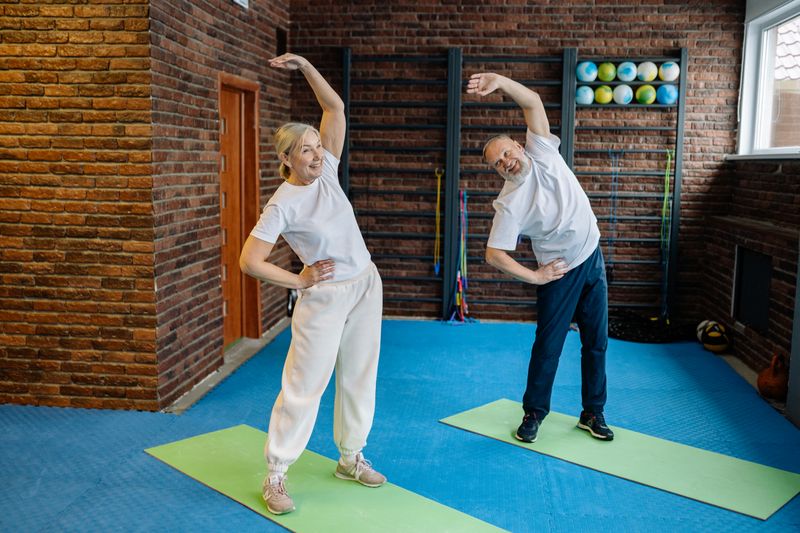
Best Adjustable Dumbbells for Older Adults: A Practical Buying Guide
A practical guide to choosing adjustable dumbbells for older adults, comparing dial and pin systems, weight ranges and grip-friendly features with US prices.
📖 All articles on Gym4Home →
Browse our other articles