Jumping Rope in an Apartment Without Annoying the Neighbors
This article may contain affiliate links. If you make a purchase through these links, we may earn a small commission at no extra cost to you. This helps us keep creating free content.
Jumping rope in an apartment is possible, but the impact travels straight through the floor to the unit below, and that vibration is what gets you a complaint, not the rope itself. A single 10-minute session burns roughly the calories of a 30-minute jog, which is why people want it indoors. The fix for the noise is a stack of soft layers under your feet and a quieter rope, plus a few habits that keep the thud out of your neighbor's ceiling.
Most of the noise problem comes down to three things: the surface you land on, the type of rope, and how you actually jump. Solve all three and you can train in a second-floor apartment without anyone below noticing. Skip them and even a light session sounds like someone hammering downstairs.
Why the floor is the real problem
Impact noise is the issue, not airborne sound. Each landing sends a shock pulse into the floor structure, and that pulse travels through joists and concrete to the ceiling below, where it reradiates as a low thud. You cannot fix that with a closed window, because the sound is structural, not coming through the air.
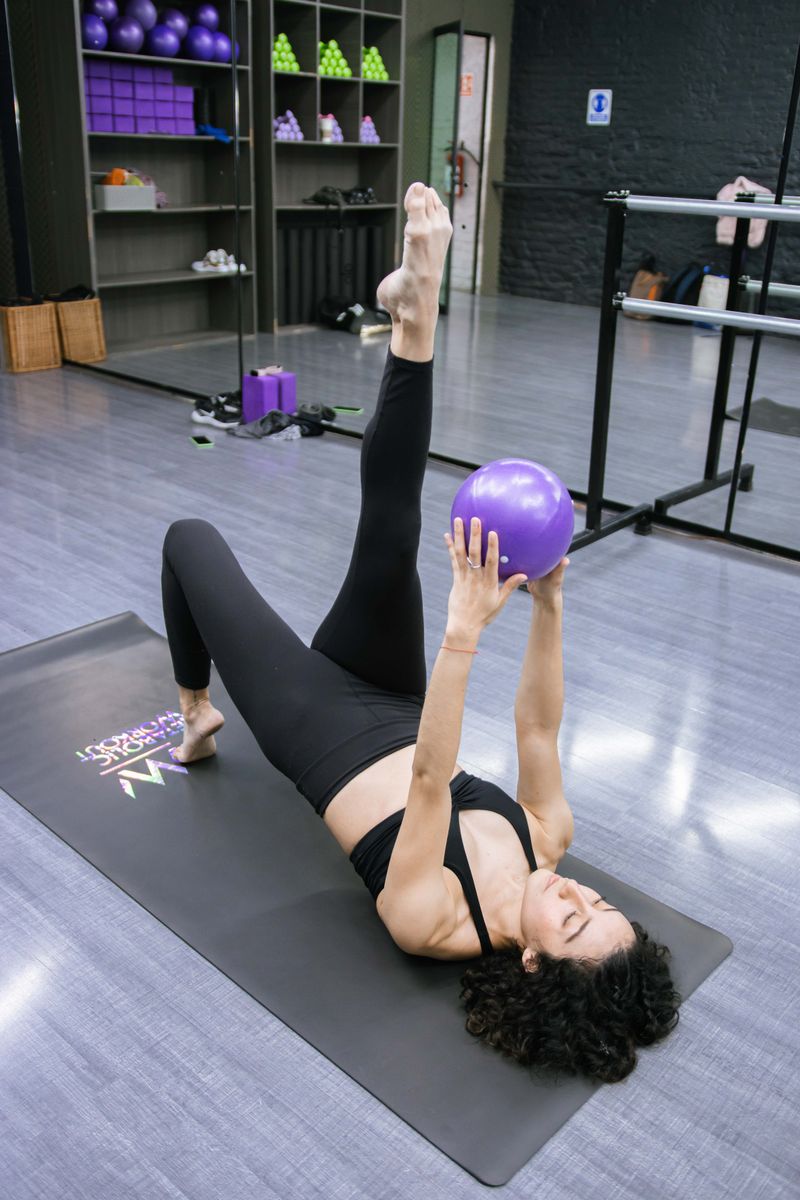
The whole strategy is to absorb the shock before it reaches the floor. That means putting soft, dense layers between your feet and the slab so the energy turns into a little heat in the foam instead of a thud in the joist. A hard floor with nothing under it is the worst case. A thick layered surface can cut the transmitted noise dramatically.
Build a quiet jumping surface
Redify Weighted Jump Rope
Unbeatable cardio for the price, compact and travel-friendly.
* Affiliate link. We may earn a commission at no extra cost to you.
The most effective setup is a stack, not a single mat. Each layer does a different job, and stacking them targets both the high-frequency slap and the low-frequency thud. Here is the order that works, from the floor up.
- Start with a layer of high-density EVA foam tiles, the interlocking kind sold for home gyms, about half an inch to an inch thick.
- Add a thick yoga or exercise mat on top for a second, softer cushion that absorbs the slap of your landing.
- Optionally place a dedicated jump-rope mat or a piece of horse stall mat over that for durability and a flat surface.
- Keep the whole stack at least as wide as your jumping zone so you never land half on, half off the edge.
This stack does double duty. It cushions your knees and ankles as well as your neighbor's ceiling, which matters because repeated hard landings on a bare floor are tough on the joints over time. A softer surface lets you train more often with less ache.
The rope and shoes matter too
A heavier rope and the right shoes cut noise at the source. Beaded or thick PVC ropes slap the floor loudly on each rotation. A lightweight licorice rope or a weighted rope that you keep clear of the ground stays quieter, because the noise people forget about is the rope hitting the floor, not just your feet.
Cushioned shoes with a real midsole beat barefoot or thin minimalist shoes for apartment jumping, because the shoe adds one more shock-absorbing layer at the point of contact. The table below sums up the choices that keep you quiet.
| Factor | Quieter choice | Why |
|---|---|---|
| Surface | Stacked foam + mat | Absorbs the shock pulse before it reaches the floor |
| Rope | Light PVC or weighted, kept off the floor | Avoids the loud slap of the rope hitting the ground |
| Shoes | Cushioned trainers | Adds a shock layer at the point of impact |
| Technique | Low jumps, soft landings | Less height means a smaller shock pulse downward |
Jump quietly: the technique
How you jump changes the noise as much as what you stand on. Keep your jumps low, barely an inch off the surface, because the higher you rise the harder you land and the bigger the shock pulse you send down. You only need to clear the rope, not perform.
Land softly on the balls of your feet with your knees slightly bent, letting the ankles and knees flex to soak up the landing rather than slamming flat-footed. Stay relaxed and quiet through the calves. A controlled, light rhythm is both quieter and easier on your joints than a stiff, bouncy one. If you find yourself thudding, you are jumping too high or landing too hard, so dial both down.
When to rope and when to switch
For most apartments, the foam stack plus light technique makes rope training workable on the second floor and up. It is a cheap, packable, full-body cardio tool, and the setup costs less than $100 for the mats. If your goal is conditioning and you can manage the surface, the rope is the better pick over a bulky machine.
There is one situation to respect, though. If you live above someone in a building with thin floors and you have already had a complaint, no surface fully erases the thud, and pushing it strains the relationship more than it is worth. In that case, switch to low-impact options like a folding rower, an under-desk elliptical, or shadow-boxing footwork drills that give you cardio without the downward impact. For everyone else, build the stack, keep the jumps low, and train without the guilt.
A quiet apartment rope routine
You do not need long sessions to get the cardio benefit, which also keeps the noise window short. Intervals work better than steady jumping in an apartment, because short bursts with rest periods cut the total impact your neighbors hear while still pushing your heart rate. A simple structure is 30 seconds of jumping followed by 30 seconds of rest, repeated for 10 to 15 rounds, which takes 10 to 15 minutes and matches the calorie burn of a much longer jog.
Mix in low-impact variations to cut the thud further. Single-leg taps where you barely shift weight, or a boxer skip where you rock gently side to side, keep one foot lighter and soften the overall landing. If you are working on double-unders, save those for the times of day when ambient building noise is highest, because the faster, harder bounce sends a bigger pulse downward. Track your sessions by rounds rather than by a step counter, since a wrist tracker often misreads the quick rope rhythm.
🛠️ Free tools for this topic
No sign-up. They do the calculating and checking for you.
Published by the Gym4Home editorial team. Published September 24, 2026.
Editorial responsibility: see Imprint.
Spotted an error or have something to add? corrections@gym4home.com
Home Gym Tips, Weekly
Equipment picks, workout ideas, and setup guides — for every space and every budget. No fluff, just useful.
🎁 Free bonus: The Home Gym Starter Checklist (PDF)
You might also like
Foldable Rowing Machines for Apartments: Picks and Trade-Offs
Folding magnetic rowers store in 2 square feet and stay quiet for downstairs neighbors. How resistance type affects noise, what specs to check, and picks by budget.

Apartment Workout With Resistance Bands: No Floor Space Needed
A quiet, full-body resistance band workout you can do in a two-foot square, with a sets-and-reps table, a 20-minute short version, and progression tips.
Rubber Flooring for an Apartment Gym: What Actually Stops the Noise
The right rubber flooring is what keeps your apartment gym from generating noise complaints. A guide to thickness, layering, and real US costs.
📖 All articles on Gym4Home →
Browse our other articles