Rubber Flooring for an Apartment Gym: What Actually Stops the Noise
This article may contain affiliate links. If you make a purchase through these links, we may earn a small commission at no extra cost to you. This helps us keep creating free content.
Hinweis: Dieser Artikel ersetzt keine ärztliche Beratung. Besprich Trainingsfragen im Zweifel mit Arzt oder Physiotherapie.
Rubber flooring between 8mm and 20mm thick is the single piece of gear that decides whether your downstairs neighbor ever complains about your apartment gym. A dropped 35lb dumbbell on bare laminate sends a sharp impact straight through the floor joists. The same drop onto a 3/4-inch rubber tile lands as a dull thud that mostly stays in your unit. Flooring is not an accessory here. It is the thing protecting your lease.
Most apartment lifters under-buy on thickness because the thin gym mats are cheaper and easier to carry up the stairs. Then a barbell or a kettlebell hits the ground and the sound travels two floors down. The fix is rarely more equipment. It is the right rubber, in the right thickness, under the spots where weight actually lands.
Why rubber beats foam for an apartment setup
Foam puzzle tiles are everywhere because they cost around $1 to $2 per square foot and snap together in minutes. They are fine under a yoga mat or a light cardio area. Under any loaded weight they compress permanently, dent under the legs of a rack, and do almost nothing for impact noise. Foam absorbs softness, not energy from a falling steel plate.
Rubber works differently. It is dense, so it converts the energy of a drop into heat and a low frequency thud instead of a sharp crack that resonates through the building. That density is exactly why rubber is heavier and pricier. A 1/2-inch rubber tile runs roughly $2.50 to $4 per square foot, and 3/4-inch stall mats from a farm supply store land around $0.60 to $0.90 per square foot if you can carry the 100lb rolls.
How thick does the rubber need to be?
ProsourceFit Interlocking Floor Tiles
Protects your floor, cuts impact noise and gives better grip underfoot.
As an Amazon Associate we earn from qualifying purchases.
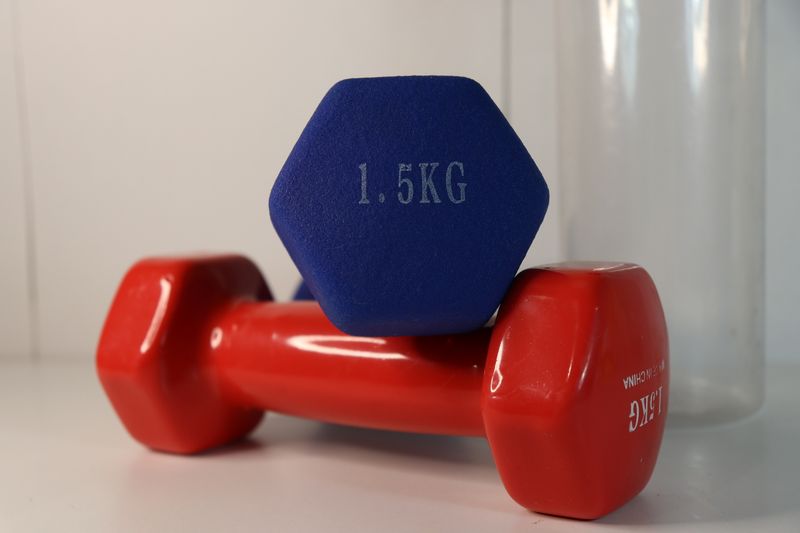
Thickness should match what you drop, not the size of the room. For bodyweight work, light dumbbells under 25lb, and a yoga or stretching area, 8mm to 1/2-inch rubber is plenty and stays easy to move. For kettlebells, heavier dumbbells, and anything you might set down hard, step up to 3/4-inch. For barbell deadlifts and any chance of a dropped loaded bar, you want 3/4-inch rubber plus a drop pad or a set of rubber bumper plates that take most of the hit themselves.
| Thickness | Best for | Rough cost / sq ft | Noise control |
|---|---|---|---|
| 8mm (5/16") | Yoga, bands, light dumbbells | $1.50–2.50 | Low |
| 1/2" (12mm) | Dumbbells to 35lb, cardio machines | $2.50–4.00 | Moderate |
| 3/4" (19mm) | Kettlebells, racks, heavy DBs | $0.60–4.00 | High |
| 3/4" + drop pad | Barbell, deadlifts | add $80–150 | Highest |
The layered approach that actually quiets a floor
One layer of rubber rarely solves apartment noise on its own. The trick is decoupling, which means breaking the path that vibration takes into the joists. A common stack from the floor up is: the existing carpet or a thin closed-cell foam underlay, then a layer of rubber, then a removable drop pad where the weight lands. Each layer changes the frequency and slows the energy before it reaches the structure.
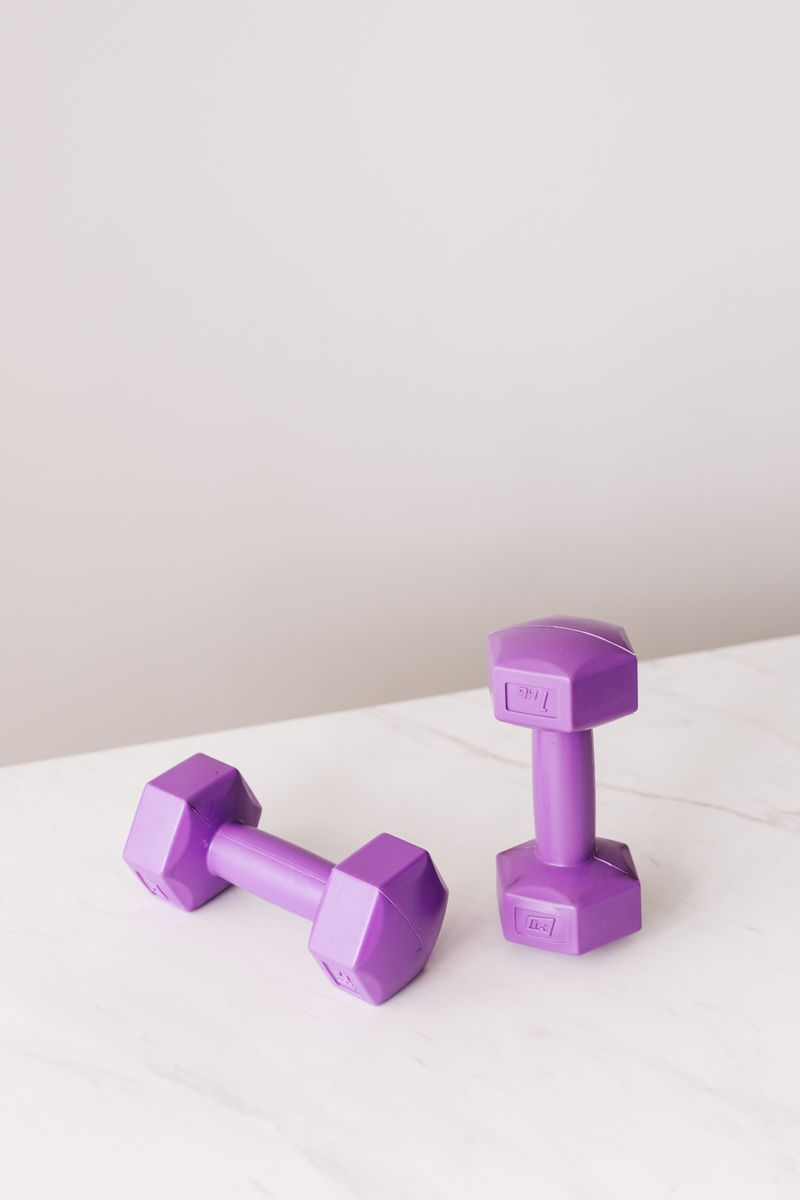
The cheapest meaningful upgrade is to put a dedicated drop zone over your main rubber. A folded gym mat, a stacked pair of stall mat offcuts, or a purpose-built deadlift pad gives you 2 to 3 inches of give exactly where the bar comes down. You do not need to cover the whole room in that thickness. You only need the landing spots protected.
What it costs to floor a real apartment corner
A typical apartment training area is somewhere between 36 and 100 square feet. Flooring a 6ft by 8ft corner, 48 square feet, gives you room for a bench, a small rack of dumbbells, and a movement space. Using horse stall mats, that is two 4x6 mats at roughly $50 each, so about $100 for the whole zone. Using purpose-built 3/4-inch interlocking gym tiles, the same area runs closer to $150 to $200.
Add a drop pad for $80 to $150 if you deadlift, and a few vibration pads at $20 to $40 for any motorized machine. The total for a quiet, lease-safe corner sits between $120 and $350 depending on whether you go stall-mat budget or tile-and-pad premium. That is a one-time cost against years of training without a noise complaint.
Installation details apartment lifters miss
Lay rubber over hard floors directly, but always test-fit before you commit. Stall mats curl at the edges when first unrolled. Leave them flat under their own weight for a day or two and the curl relaxes. On carpet, rubber sits fine without adhesive for most setups because the weight of equipment holds it. Never glue anything down in a rental. Use the friction of the mat and the gear on top of it.
Cut rubber to fit with a sharp utility knife and a straightedge, scoring several passes rather than forcing one deep cut. Wear gloves. For interlocking tiles, dry-fit the whole room first, then trim the border pieces last. If you ever move, rubber pulls up clean and comes with you, which makes it one of the few home gym purchases that fully survives a relocation.
Picking the right product
For most apartment lifters the answer is horse stall mats from a farm supply chain if you can handle the weight, and interlocking 3/4-inch rubber tiles if you cannot carry a 95lb roll up stairs. The tiles cost more per square foot but ship in manageable pieces and look cleaner with finished edges. Both stop drop noise far better than any foam product.
Skip the thin 1/4-inch "gym mats" sold as drop protection. They feel like progress and stop almost nothing under real weight. If the budget is tight, buy less area in proper 3/4-inch rubber rather than a large area of thin material. A small, well-protected drop zone beats a big, useless soft one every time.
Protecting and maintaining the floor
Rubber can stain or trap moisture against certain floors over time, which matters in a rental you do not want to lose a deposit on. On hardwood and laminate, the main risk is dark rubber bleeding a faint mark or trapping condensation if the room is humid. A thin vapor barrier or a layer of cheap closed-cell foam underlay between the floor and the rubber prevents both, and it adds a little extra sound dampening as a bonus.
On vinyl plank flooring, check that your mats are made of recycled rubber with low odor, because some cheap mats leave a permanent yellow shadow on light vinyl. Lift a corner of the rubber every few weeks for the first couple of months and look underneath. If the floor stays clean and dry, you are fine to leave it. If you see any discoloration starting, add the underlay layer immediately. Heated floors are the one case to watch closely, since constant warmth can accelerate staining and dry the rubber out faster, so keep an underlay between them and lift the mats more often to check.
Rubber flooring needs almost no maintenance, which is part of why it suits a long-term home gym. Sweep or vacuum loose dust and chalk, then damp-mop with warm water and a splash of dish soap once a week if you sweat on it. Avoid harsh solvents, bleach, and oil-based cleaners, since these break down the rubber binder over years and can make the surface tacky or brittle.
The rubber smell that bothers people in week one fades fastest with airflow. Open a window, run a fan across the mats, and the odor drops sharply within a few days and is usually gone inside two weeks. Wiping the mats down with a vinegar-and-water solution once on day one speeds it up. After that the surface is inert, easy to clean, and good for a decade or more of training. Lower-odor recycled rubber and EPDM-blend tiles cost a little more but smell far less out of the box, which is worth the premium in a small apartment where you cannot air out a basement.
One detail people forget is grip. Sealed or coated rubber can get slick when you sweat heavily on it, which matters for moves like push-ups and planks where your hands or forearms press down. Textured-surface mats or a thin yoga mat laid over your main rubber for floor work solves this. If your mats develop a tacky film over the years from cleaner buildup, a single scrub with diluted dish soap and a stiff brush restores the original surface without damaging the rubber.
🛠️ Free tools for this topic
No sign-up. They do the calculating and checking for you.
Published by the Gym4Home editorial team. Published July 16, 2026. Updated October 4, 2026.
Editorial responsibility: see Imprint.
Spotted an error or have something to add? corrections@gym4home.com
Home Gym Tips, Weekly
Equipment picks, workout ideas, and setup guides — for every space and every budget. No fluff, just useful.
🎁 Free bonus: The Home Gym Starter Checklist (PDF)
You might also like
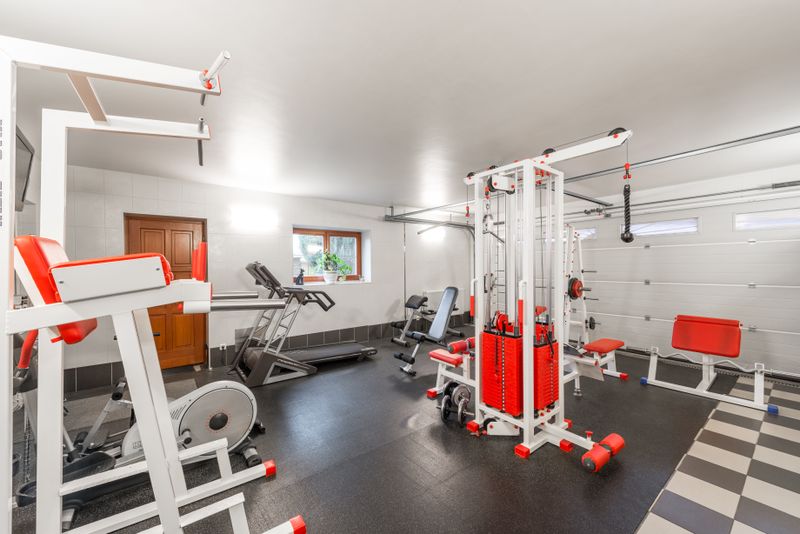
A Quiet 20-Minute Apartment Gym Morning Routine
A 20-minute quiet strength circuit you can do at 6am in an apartment without waking the neighbors below. Full routine and how to do each move.
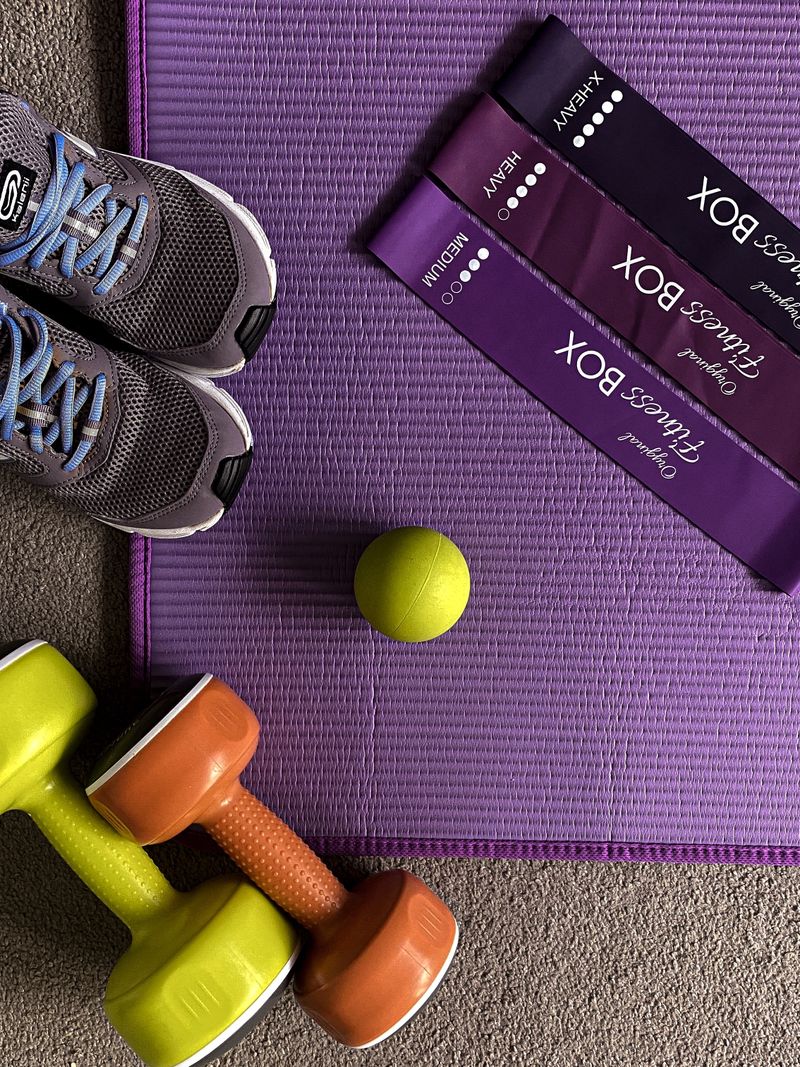
Jumping Rope in an Apartment Without Annoying the Neighbors
Jump rope in an apartment without complaints. Why impact noise travels through the floor, how to build a quiet stacked surface, and the technique that keeps you silent.
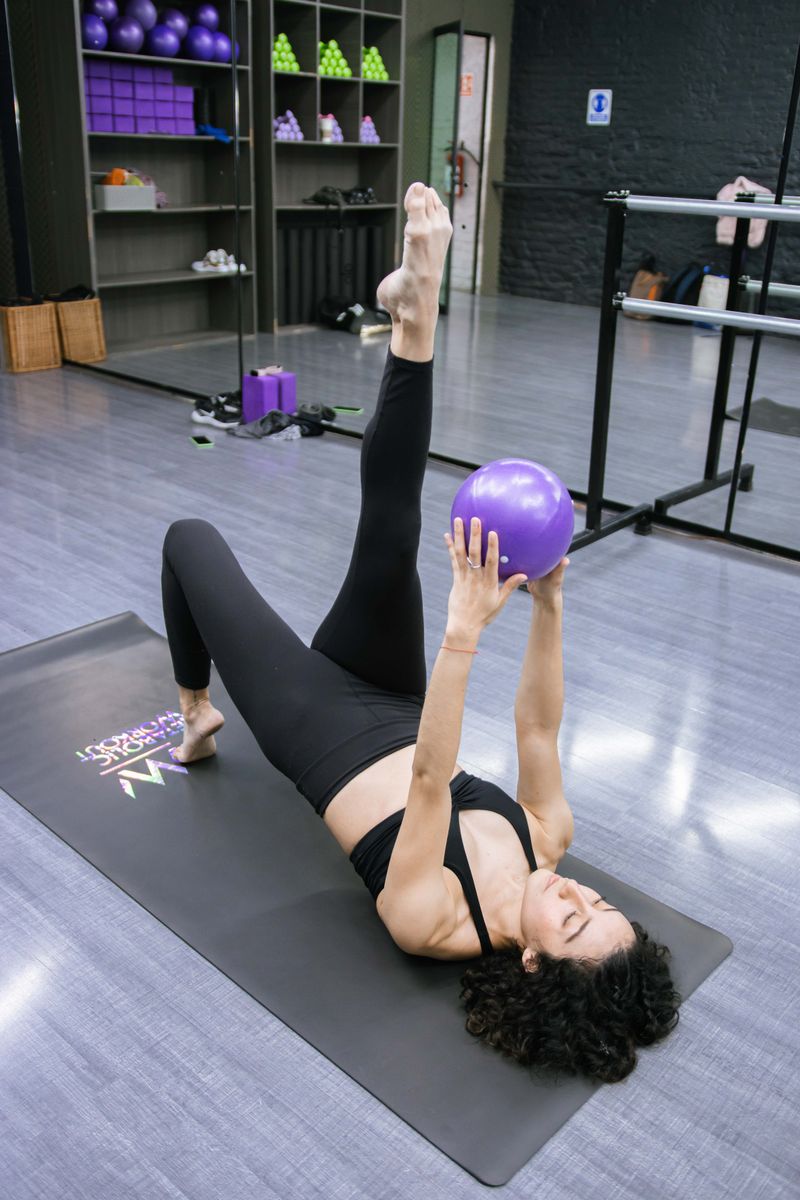
Foldable Rowing Machines for Apartments: Picks and Trade-Offs
Folding magnetic rowers store in 2 square feet and stay quiet for downstairs neighbors. How resistance type affects noise, what specs to check, and picks by budget.
📖 All articles on Gym4Home →
Browse our other articles