A Quiet 20-Minute Apartment Gym Morning Routine
This article may contain affiliate links. If you make a purchase through these links, we may earn a small commission at no extra cost to you. This helps us keep creating free content.
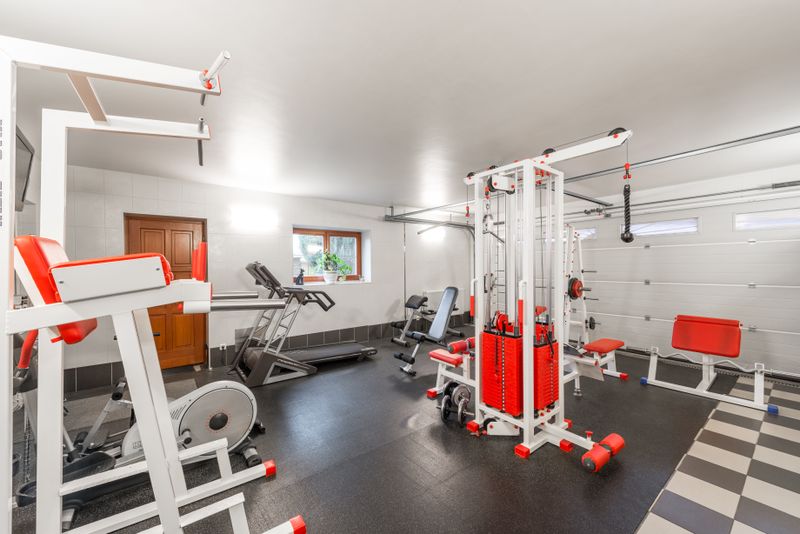
A 20-minute strength routine done before 7am works in an apartment only if it stays quiet enough not to wake the unit below you. That rules out jumping, dropped weights, and a pounding treadmill. What is left is plenty: controlled dumbbell and bodyweight movements that build real strength while making almost no impact noise. The routine below uses a pair of adjustable dumbbells, a mat, and a doorway pull-up bar.
Mornings suit apartment training because the gear is already in the corner and there is no commute eating your willpower. The barrier is noise and time. Keep the moves low-impact and the structure tight, and you finish a full-body session before most people have made coffee.
Why mornings work for home training
Training first thing removes the two reasons home workouts get skipped: a day that fills up and energy that drains by evening. The equipment sits in your space, so the gap between waking and working out is a few steps, not a drive. Decision fatigue has not set in yet, which is why a fixed morning slot sticks better than a vague "later today".
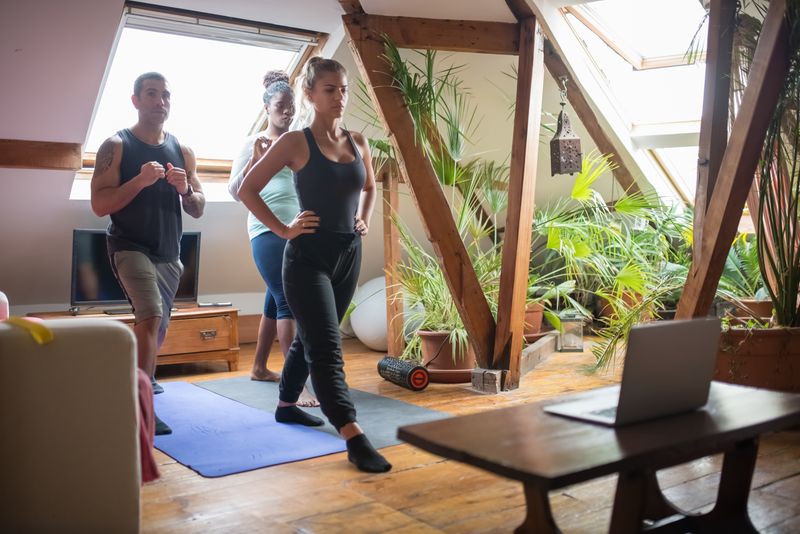
The catch in an apartment is the people sleeping nearby and below. A 6am session has to be near-silent. That constraint is actually useful, because it pushes you toward slow, controlled reps that are better for building muscle and safer for joints than fast, bouncy movements anyway.
The 20-minute structure
The routine is built as a circuit so you keep moving and finish in time. Do each exercise for the listed reps, rest 30 to 45 seconds, then move to the next. Run the full circuit twice. A short circuit twice through beats a long list of exercises you rush or skip when the clock runs out.
| Exercise | Sets x reps | Targets |
|---|---|---|
| Goblet squat | 2 x 12 | Legs, glutes, core |
| Floor or incline DB press | 2 x 10 | Chest, shoulders, triceps |
| Pull-up or band-assisted pull-up | 2 x 6–8 | Back, biceps |
| Romanian deadlift (DBs) | 2 x 12 | Hamstrings, glutes, back |
| Plank | 2 x 30–45s | Core |
How to do each move quietly
The goblet squat holds one dumbbell against your chest. Sit your hips back and down until your thighs reach about parallel, then stand. Keep your heels planted and stay slow, which removes any thud at the bottom. The floor press lies you on your back on the mat, dumbbells pressed straight up, lowering until your upper arms touch the floor lightly. The floor caps the range, which protects the shoulders many older lifters need to guard.

For the pull-up, loop a resistance band over the doorway bar and rest a knee in it for assistance if full reps are out of reach. The Romanian deadlift keeps a soft bend in the knees while you push your hips back, letting the dumbbells slide down your thighs until you feel a stretch in the hamstrings, then drive the hips forward to stand. The plank is a quiet hold, no movement, just bracing the whole core.
Warming up without waking anyone
A silent warm-up matters more in the morning because cold joints at 6am are stiffer than they are midday. Spend 3 minutes on quiet movement: bodyweight squats, arm circles, hip rotations, and a few slow lunges. None of these make noise, and they prime the exact joints the routine loads. An older lifter with knee or shoulder history should add a minute of gentle band pull-aparts for the shoulders.
Do not stretch cold muscles hard before lifting. Save deep static stretching for after the session when everything is warm. The morning warm-up is about raising your temperature and lubricating joints, not loosening tight muscles, which the workout itself handles better.
Keeping it sustainable
The routine works long term because it is short, quiet, and uses gear that never leaves the corner. Run it three or four mornings a week, not seven. Muscles grow on the rest days, and a routine you can keep for a year beats a brutal one you abandon in a month. On busy mornings, do a single circuit and call it a win rather than skipping entirely.

Progress by nudging the dumbbell weight up a notch every couple of weeks once the reps feel easy, or by adding a third circuit when you have the time. Both options keep the session under control and quiet. The aim is a repeatable habit that fits your space and your neighbors, building strength a few quiet minutes at a time.
Eating and hydrating before a morning session
You do not need a full breakfast before a 20-minute strength circuit. A glass of water and, if your stomach allows, a small piece of fruit or half a banana is enough to fuel low-volume morning training. Many people train fasted in the morning without any drop in performance for short sessions, since your body has plenty of stored energy for 20 minutes of moderate work. Heavier, longer sessions are a different story and benefit from food first.
Hydration matters more than food first thing, because you wake up mildly dehydrated after a night without water. Drinking a full glass on waking, before you even start the warm-up, sharpens your focus and helps muscles work properly. Save the protein and carbohydrate meal for after the session, when your body uses it to recover and rebuild, rather than forcing food down before you have finished.
Adapting the routine for joint considerations
Older lifters or anyone with knee, back, or shoulder history can keep every exercise in this routine with small adjustments. For knees that complain on squats, reduce the depth to a comfortable range and slow the descent further, which often removes the discomfort entirely. A box or a sturdy chair behind you to tap on each rep controls depth and adds confidence. For shoulders, the floor press is already kinder than a full bench press because the floor stops your elbows before they over-extend.
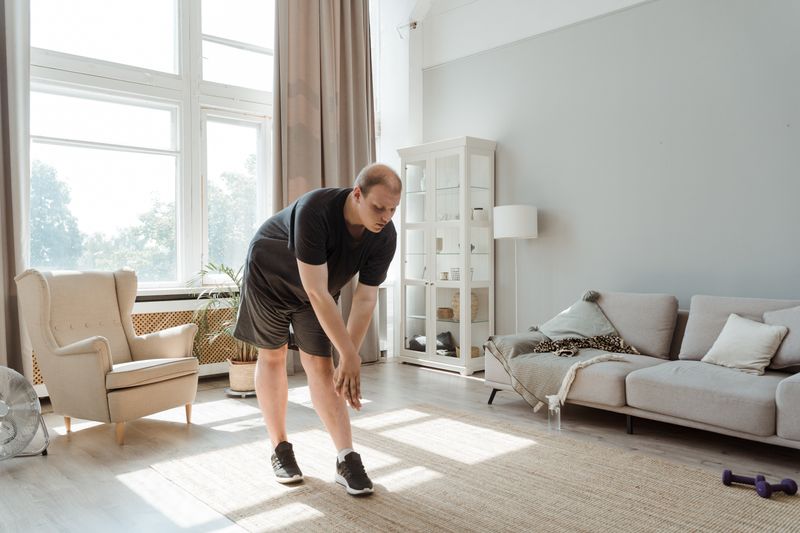
Swap any move that hurts rather than pushing through it. Romanian deadlifts can become band-resisted hip hinges if your lower back is sensitive, and the plank can shift to a forearm hold from the knees if the full version strains your shoulders. The point of a home routine is that you control every variable. Many people find that the slow, controlled tempo a quiet apartment demands is exactly what makes a cranky joint tolerate training it could not handle at a busy gym.
If a joint is actively painful rather than just stiff, stop loading it and give it time. Persistent pain in a knee or shoulder that does not ease with a lighter weight and slower tempo is a signal to see a doctor or physio, not to train around. The morning routine is meant to build strength steadily over months, and a forced session through real pain costs you far more recovery time than the workout was worth.
🛠️ Free tools for this topic
No sign-up. They do the calculating and checking for you.
Published by the Gym4Home editorial team. Published October 5, 2026.
Editorial responsibility: see Imprint.
Spotted an error or have something to add? corrections@gym4home.com
Home Gym Tips, Weekly
Equipment picks, workout ideas, and setup guides — for every space and every budget. No fluff, just useful.
🎁 Free bonus: The Home Gym Starter Checklist (PDF)
You might also like
Jumping Rope in an Apartment Without Annoying the Neighbors
Jump rope in an apartment without complaints. Why impact noise travels through the floor, how to build a quiet stacked surface, and the technique that keeps you silent.
Foldable Rowing Machines for Apartments: Picks and Trade-Offs
Folding magnetic rowers store in 2 square feet and stay quiet for downstairs neighbors. How resistance type affects noise, what specs to check, and picks by budget.

Apartment Workout With Resistance Bands: No Floor Space Needed
A quiet, full-body resistance band workout you can do in a two-foot square, with a sets-and-reps table, a 20-minute short version, and progression tips.
📖 All articles on Gym4Home →
Browse our other articles