Garage Gym Starter Pack Under $1,500: A Beginner Buying Guide
This article may contain affiliate links. If you make a purchase through these links, we may earn a small commission at no extra cost to you. This helps us keep creating free content.
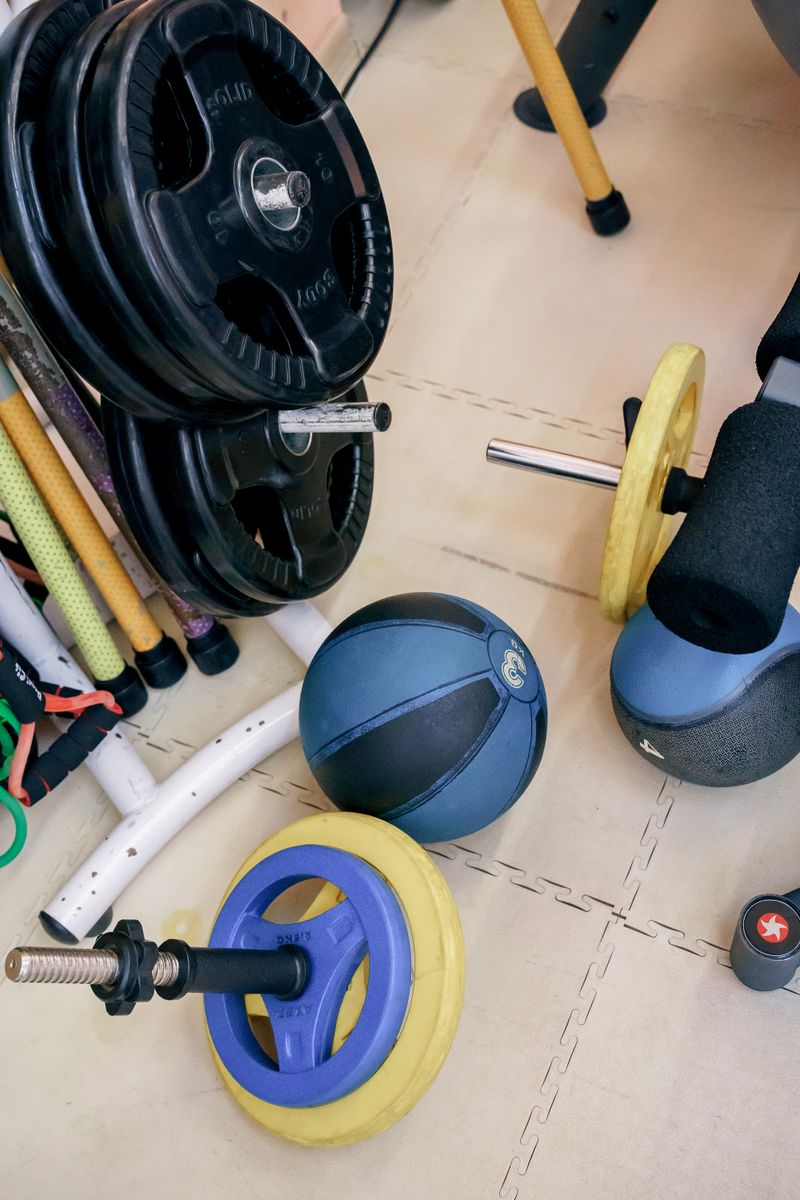
A complete garage gym that covers every major lift fits inside a $1,500 budget if you buy in the right order: a squat rack, a barbell, weight plates, an adjustable bench, and a rubber floor mat. Those five items let you squat, press, deadlift, row, and bench, which is everything a beginner needs for years of progress. Add-ons like dumbbells and a pull-up bar are nice but come after the core five are covered.
The trap most beginners fall into is spending the budget unevenly: a fancy rack and no plates, or a treadmill that eats half the money and gets used twice. The plan below allocates the full $1,500 across gear that all earns its place, with rough US retail prices labelled as approximate.
The five-piece core and what each does
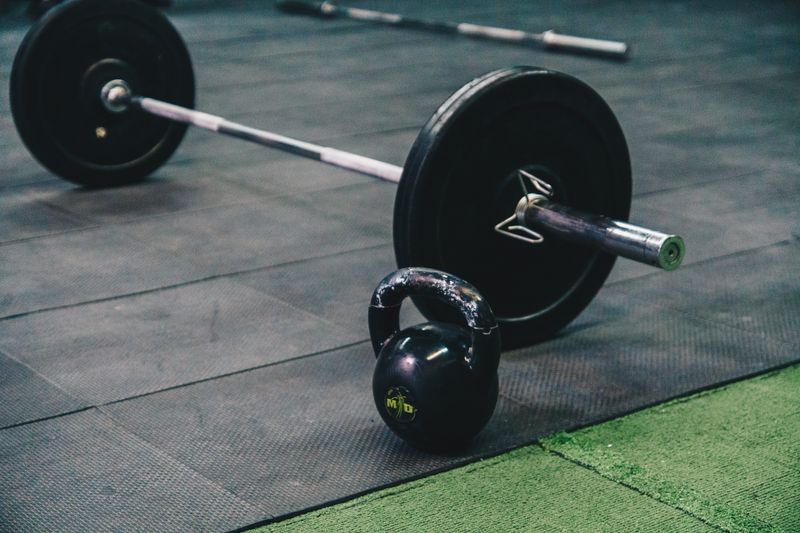
Each item in the core kit unlocks a category of lifts. Skip one and you lose access to whole movement patterns, so the goal is to cover all five before upgrading any single piece. The prices are approximate retail and vary with brand and sales.
| Item | Approx. US price | What it unlocks |
|---|---|---|
| Squat rack with safeties | $300-500 | Safe squatting and pressing alone |
| Olympic barbell (45 lb) | $150-250 | Every barbell lift |
| Weight plates (300 lb set) | $300-450 | Progressive loading |
| Adjustable bench | $120-250 | Bench press, incline, support work |
| Rubber floor mats | $60-120 | Floor and equipment protection |
Add those midpoints and you land near $1,200, which leaves roughly $300 for the extras below. If money is tight, the squat rack and plates are where quality matters most, and the bench is where you can safely buy budget at first and upgrade later.
Where to spend and where to save
Fit Simplify Resistance Bands Set
Five resistance levels in a kit that fits in a drawer, gentle on the joints and ideal to start with.
As an Amazon Associate we earn from qualifying purchases.
Spend on the rack and the barbell. A rack with proper safety arms is what makes solo training safe, since it catches the bar if you fail a squat or press with nobody home to spot you. A barbell is the one piece your hands touch every session, and a cheap bar with poor knurling or a bent shaft makes every lift worse.
Save on plates and the bench. Iron plates do the same job as fancy ones at a lower price, and a basic flat-incline bench covers a beginner's needs for a long time. Buying used plates locally is the single best way to stretch the budget, since they are heavy to ship and sellers often price them low to move them.
The smart add-ons with your remaining budget
With roughly $300 left, two add-ons give the most value. A pair of adjustable dumbbells, around $150-300, fills the gaps a barbell leaves for arm and shoulder work and single-side training. A doorframe or rack-mounted pull-up bar, about $30-50, adds the best upper-back exercise there is for almost no money or space.
If the budget stretches a little further, a set of resistance bands at $20-40 covers warm-ups, assistance for pull-ups, and joint-friendly accessory work. Skip cardio machines for now. A treadmill or bike would consume the whole budget, and a beginner gets better conditioning from circuits with the gear already listed.
How to buy it in the right order
You do not need all five pieces on day one. Buying in stages spreads the cost and lets you start training within a week. This order keeps you lifting at every step rather than waiting for the full kit to arrive.
- Barbell plus a 300 lb plate set. You can already deadlift, row, and floor press.
- Squat rack with safeties. Now you squat and overhead press safely alone.
- Adjustable bench. Bench press and incline work open up.
- Floor mats under the rack and lifting area to protect the concrete.
- Pull-up bar and adjustable dumbbells to round out upper-body work.
Stretched over a few paydays, the whole setup arrives without a single large hit to your wallet, and you train through the entire process. Most beginners reach the full five-piece core within two months of starting on the barbell alone.
Space and noise for garage and apartment
A garage handles dropped deadlifts and heavy plates without complaint, which is its main advantage over a spare room. If you share walls or live above someone, swap the heavy bumper drops for controlled lowering and lay extra matting to deaden sound. Most of the kit here is quiet by nature, since barbell training makes far less noise than a treadmill or a clanging machine stack.
For footprint, a rack plus bench needs roughly a 6 by 8 foot area to use safely, with a little clear space around it to move the bar. That fits in a single-car garage bay with room to spare. If your space is tighter, a folding rack that mounts to the wall trims the footprint, though it adds about $100-200 to the rack line of the budget.
What this setup will not do
This kit builds strength and muscle across the whole body, and it does that better than most commercial gym memberships for the price. What it will not do is replace dedicated cardio equipment or specialised machines. If your main goal is long-distance running fitness, you will still want a separate plan for that, since barbell training and steady cardio train different systems.
For the overwhelming majority of beginners, though, the five-piece core plus a pull-up bar and dumbbells covers every strength goal worth chasing in the first few years. The recommendation is simple: buy the rack and bar well, buy the plates and bench cheap, add the pull-up bar early, and ignore the cardio machines until your strength base is built.
One last point on value. A commercial membership at $40 to $60 a month adds up to $480 to $720 a year, so this entire setup pays for itself inside two to three years and keeps working after that with no monthly fee. The plates and rack hold their resale value too, so if your goals change you recover much of the cost. Few pieces of home equipment combine that kind of payback with this much training range, which is why the barbell core remains the standard recommendation for a beginner building a garage gym from scratch.
🛠️ Free tools for this topic
No sign-up. They do the calculating and checking for you.
Published by the Gym4Home editorial team. Published October 26, 2026.
Editorial responsibility: see Imprint.
Spotted an error or have something to add? corrections@gym4home.com
Home Gym Tips, Weekly
Equipment picks, workout ideas, and setup guides — for every space and every budget. No fluff, just useful.
🎁 Free bonus: The Home Gym Starter Checklist (PDF)
You might also like
Used Gym Equipment Buying Guide: What to Buy and What to Skip
A buying guide to used gym equipment: which gear is a safe secondhand buy, what to skip, how to inspect it, and what to pay.
Home Gym Equipment: What to Buy First (and What to Skip)
A step-by-step buying order for home gym equipment, starting with adjustable dumbbells and a bench, with price ranges and the pieces most people buy too early.
First Equipment to Buy for a Home Gym (In the Right Order)
The right order to buy home gym equipment, starting with adjustable dumbbells, a bench, and a pull-up bar, with US prices for $300, $700, and $1,500 budgets.
📖 All articles on Gym4Home →
Browse our other articles